
Key takeaways:
Effective use of varnish kyne significantly prolongs artwork lifespan by shielding silkscreen prints from UV rays and moisture. Typical acrylic varnishes dry fully within 24 hours, providing a durable barrier that resists yellowing and abrasion. Choosing between gloss and matte finishes influences both visual depth and glare control, essential for optimal gallery display.
How can varnish finishes transform the experience of Kyne’s silkscreen prints? Selecting the right surface protection affects artwork retention and presentation in variable lighting and humidity. Prints treated with varnish can maintain their integrity in climate-controlled spaces for over a decade, highlighting the importance of coating choice and application technique. Understanding varnish options enables precise control over reflection, depth, and durability, ensuring each piece achieves its intended aesthetic and preservation goals.
Varnish Kyne Techniques: Gloss vs Matte Finishes
When choosing between gloss and matte varnish kyne techniques, it’s key to understand how each finish changes the artwork’s look. Gloss varnish enhances contrast and saturation, making the monochrome lines pop spectacularly, which is especially effective with Kyne’s silkscreen prints. In contrast, a matte finish softens reflections and gives a more muted, sophisticated texture that complements the subtlety of the ink layers. Both varnish types serve different aesthetic roles and can drastically alter the viewer’s perception.
Gloss finishes often amplify the shadows and highlights, adding an illusion of depth that suits Kyne’s intricate monochrome style. Meanwhile, matte offers a modern, understated effect that reduces glare—ideal for brightly lit galleries. Selecting the right varnish kyne technique depends on whether you want bold visual impact or subtle refinement.
Varnish Kyne Finishes: Preservation and Longevity
The primary goal of applying varnish kyne finishes is protection. A varnish layer shields the delicate silkscreen ink from dust, UV rays, and moisture, all of which can degrade the print over time. Acrylic varnishes perform well against yellowing and cracking, preserving the original tones for years.
Longevity also depends on how well the varnish adheres to the unique ink chemistry Kyne uses. When done properly, the varnish forms a durable barrier that extends the lifespan of the artwork by at least one decade in typical indoor conditions. This finish also resists fingerprints and surface abrasion, essential for preserving gallery-quality pieces.
Applying Varnish to Screen-Printed Surfaces
Surface Prep and Cleaning
Preparation is the foundation of any successful varnish kyne application. For Kyne’s silkscreen prints, you must remove dust and oils without harming the sensitive ink layers. The safest approach involves a gentle cleaning solution made with 70% isopropyl alcohol mixed with 30% distilled water. This ratio preserves the ink integrity while effectively removing contaminants.
Work with a lint-free microfiber cloth in soft, circular motions. Avoid harsh chemicals or abrasive materials, as Kyne’s ink can be delicate and prone to smudging if mishandled. Proper prep ensures the varnish bonds evenly and prevents uneven gloss or matte textures later.
Choosing the Right Varnish Type
There are multiple varnish types suitable for Kyne’s screen-printed surfaces. Acrylic water-based varnishes are the most popular choice, offering low odor, easy cleanup, and versatility between gloss and matte finishes. For enhanced durability, UV-cured varnishes provide a hard, resistant layer but require specialized curing equipment.
Matte varnishes have added matting agents that diffuse light, while gloss varnishes maximize reflectivity. It’s vital to match the varnish type with your desired finish and exhibition environment to optimize both protection and look.
Application Methods and Drying Times
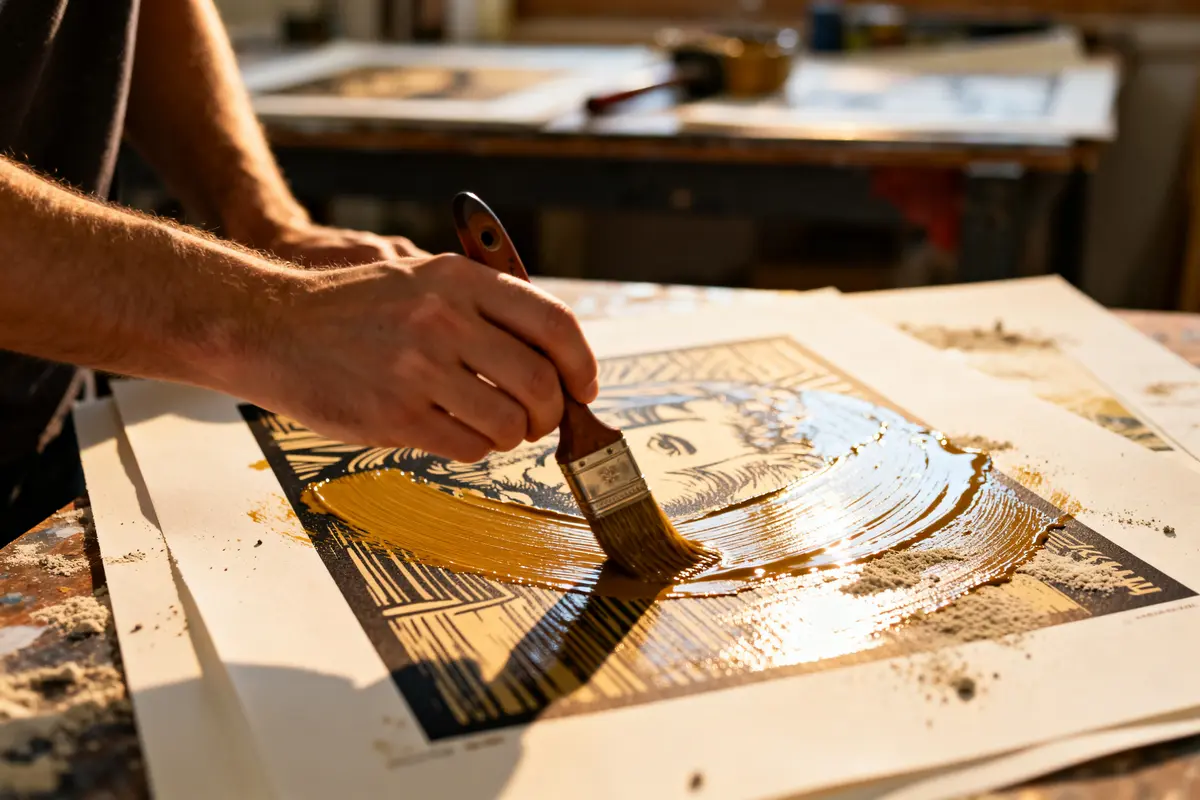
Applying varnish kyne correctly demands attention to method and timing. Use a soft, high-density foam brush or a fine spray for a smooth, even coat. Avoid overapplication to prevent drips or pooling on silkscreen textures.
Acrylic varnishes typically dry to the touch within 30 minutes and fully cure after 24 hours. UV-cured varnishes harden instantly under a UV lamp but require precise exposure times to avoid tackiness or clouding—usually just a few seconds under the lamp. Rushing the process or skipping drying phases risks a compromised finish.
Work in a dust-free, temperature-controlled space for best results. This reduces contamination and supports a consistent curing phase essential for a flawless varnish kyne surface.
Author’s Note
“For Kyne’s delicate silkscreen prints, patience between varnish layers elevates both finish and protection, making time your most valuable ally.”
Depth and Finish for Kyne Mono Aesthetics
Layering for Subtle Depth
Achieving the perfect depth in Kyne’s monochrome artworks requires careful layering of varnish kyne coats. Generally, three to four thin layers deliver optimal results. Each layer builds transparency and reflection subtly, enhancing the print’s visual dimension without obscuring the fine ink details.
Too many coats risk flattening the intricate line work, while too few can leave the surface vulnerable. The layering technique is a delicate balance between adding gloss depth and preserving Kyne’s minimalist aesthetic.
Timing Between Coats and Curing
Allow at least 2 hours between varnish layers to ensure proper drying. This interval avoids trapping moisture or solvents underneath, which can cause clouding or tackiness.
The final cure after all layers are applied is critical to solidify the finish and safeguard the piece. For water-based acrylics, plan for at least 24 hours of curing in a low-humidity, well-ventilated room. UV-cured options finish much sooner but require monitoring the curing process closely.
Care, Storage, and Display of Varnish Finishes
Post-varnish care is essential to maintain the integrity and appearance of your Kyne artwork. Keep the piece away from direct sunlight and fluctuating temperatures, which can deteriorate varnish layers and fade prints.
Storage in a climate-controlled environment with stable humidity around 50% prevents warping and varnish yellowing. When displaying, avoid harsh lighting and use museum-quality frames with UV-protective glass to minimize exposure to harmful rays.
Regularly dust using a dry, soft brush or microfiber cloth to prevent buildup without scratching the surface. Refrain from using sprays or chemical cleaners on finished varnish kyne surfaces as they may degrade the protective layer.
🧮 Varnish Kyne Coverage Calculator
Estimate how much varnish you need for your Kyne artwork based on surface dimensions and number of coats.
FAQ: varnish kyne
What is Kyne's aesthetic?
Kyne's aesthetic focuses on intricate monochrome silkscreen prints. It uses delicate ink layers and minimalist designs to create subtle depth and refined visual effects. The choice of varnish finish can enhance this aesthetic by adjusting gloss and texture to highlight or soften details.
What is the primary goal of applying varnish kyne finishes?
The primary goal of applying varnish kyne finishes is protection. Varnish shields the silkscreen ink from dust, UV rays, moisture, and physical abrasion, helping to preserve the artwork’s tones and durability for years in typical indoor conditions.
How do gloss and matte varnish kyne techniques affect the appearance of artwork?
Gloss varnish kyne techniques enhance contrast and saturation, making monochrome lines more vivid and adding depth with amplified shadows and highlights. Matte varnish creates a softer, muted texture that reduces glare and offers a refined, sophisticated look suited for bright lighting.
How should varnish be applied to Kyne's screen-printed surfaces?
Applying varnish to Kyne’s screen prints requires thorough surface prep using a 70% isopropyl alcohol and 30% distilled water solution. Use a soft foam brush or fine spray to apply thin, even coats, allowing adequate drying between layers in a dust-free, temperature-controlled environment for best adhesion and finish.
How many varnish layers are recommended for achieving depth in Kyne's monochrome artworks?
Three to four thin varnish kyne layers are recommended to build optimal depth without obscuring fine ink details. Proper timing with at least 2 hours between layers ensures complete drying, preventing clouding or tackiness while preserving the print's intricate line work.
What care and storage methods best preserve varnish finished Kyne artworks?
To preserve varnish finished Kyne artworks, avoid direct sunlight and temperature fluctuations. Store in a climate-controlled space with stable humidity near 50%. Use UV-protective frames for display and clean regularly with a dry soft cloth to prevent damage without chemicals.

Damian is an inquisitive writer with a passion for exploring diverse subjects. He loves sharing fresh perspectives, inspiring curiosity, and sparking meaningful conversations. For him, every topic is an opportunity to learn, connect, and uncover new ideas.