Key takeaways:
Antique 1903 German jasperware piano babies from makers like Gebrüder Heubach typically range in value from $100 to $400, depending on condition, size, and design. The distinctive sunburst mark greatly influences collector interest and authenticity, especially on larger figurines. Variations in facial expression and gown intricacy also impact market prices and rarity assessments.
Could your antique 1903 german jasperware piano babies be worth significantly more than expected? These collectible porcelain figurines attracted a specialized market due to their unique matte jasperware finish and detailed craftsmanship, which often reflects their maker’s reputation and provenance. As collectors seek rare sunburst marks and intricate designs, understanding condition and size becomes crucial for valuation. Learning how key factors like maker stamps and artistic complexity affect price empowers you to optimize selling decisions and appraisal accuracy.
Are Antique 1903 German Jasperware Piano Baby Worth Anything
Historical Context and German Makers
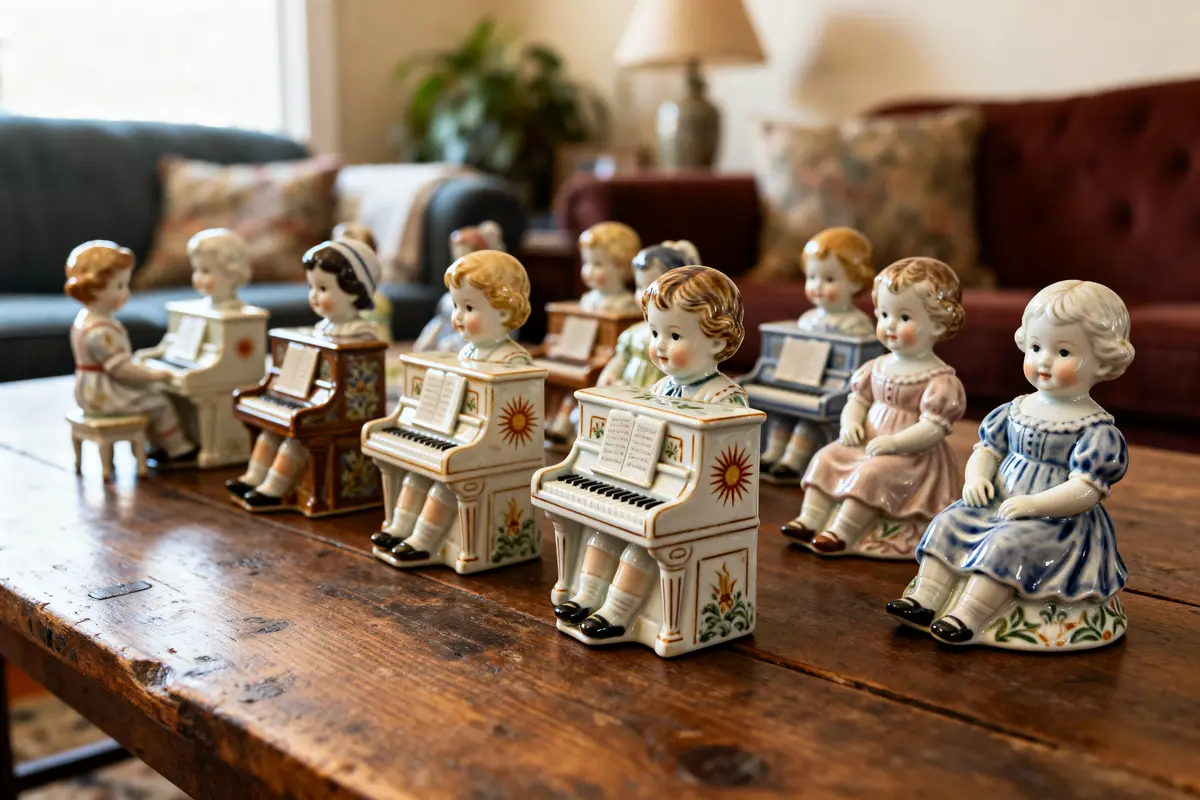
Antique piano babies, especially those from around 1903, are collectible porcelain or jasperware figurines known for their charming designs. These small decorative pieces were commonly produced in Germany during the late 19th and early 20th centuries. German makers, such as Gebrüder Heubach, played a key role in popularizing these piano babies, combining exquisite craftsmanship with expressive faces and delicate hairstyles that were characteristic of the period. Most of these figurines were designed not only as charms or toys but also to hold piano shawls in place, making them a practical element in household decor.
Collectors today seek these figurines due to their connection to the era’s social customs and porcelain artistry. The specific material of jasperware gave piano babies a unique matte finish, setting them apart from their bisque counterparts. It is essential to recognize that the production techniques and the artistic details from this time add to their historical significance and collectible value.
Why Value Varies by Maker and Design
The question of are antique 1903 german jasperware piano baby worth anything often comes down to the maker and the design’s intricacy. Makers like Heubach are typically more valuable, especially if the piece retains original features and delicate painting. The design itself affects value; more elaborate gowns or unique poses can command higher prices. Some makers used high-quality materials and finer craftsmanship, while others produced simpler or more generic versions.
Differences in facial expression, size, and costume often determine collector interest. It’s common for piano babies with rare designs to fetch prices ranging from $100 to $400 or more, but simpler versions or reproductions can be worth less than $50. The value clearly depends on the scarcity of the maker’s mark and the quality of the piece’s artistic detail.
Identification Clues: Sunburst Marks, Makers, and Provenance
Reading Sunburst Marks: Heubach and Other Makers
The sunburst mark is a key identification clue for antique German piano babies, particularly those produced by Gebrüder Heubach. This mark, often found embossed on the back or bottom of the figurine, signifies authenticity and can boost the figurine’s perceived value. Interestingly, the sunburst mark appears more frequently on larger piano baby figurines rather than smaller ones, which is a detail collectors often want clarified but remains somewhat unquantified in records.
Besides Heubach, other German manufacturers utilized distinctive marks, though not always the sunburst. These include companies like Kestner, Limbach, and Dressel, each offering unique makers’ stamps or embossed insignias. Provenance, or the history of ownership, also impacts value. Pieces with well-documented provenance, ideally from original collections or family antiques, tend to attract higher prices in auctions or private sales.
Piano Baby Variants and Market Value
Piano babies come in many variants, including bisque and jasperware types. While bisque versions have traditionally commanded strong collector interest, specific auction sale price ranges for antique 1903 German jasperware piano babies compared to bisque versions are rarely detailed, although buyers seek this data for better pricing guidance.
Variants may also differ in pose, clothing style, and size. Larger figurines with detailed sculpting are generally more sought after. Collectors often focus on aspects like the intricacy of the gown, facial expression, and whether the piano baby is paired with miniature objects such as a baby grand piano or accessories. These details affect market value and desirability.
Condition, Size, and Style as Value Drivers
The condition of a piano baby dramatically influences its market value. Even minor damages, like broken fingers or chips, can reduce value significantly. Quantitative data on how much damage reduces worth in percentage terms is scarce, but industry experts agree that visible damage can decrease value by 30% or more.
Size is another important factor; larger pieces tend to sell better, especially if well-preserved and richly detailed. Style, including whether the figurine embodies period fashion or unique artistic elements, also plays a critical role. A rare combination of size and style can elevate the figurine above the median market value. Collectors prioritize pieces maintaining original paint and glaze without restoration flaws.
Author’s Note
“For sellers, detailed documentation of original markings and flawless condition are the keys to unlocking the highest offers on their antique German jasperware piano babies.”
Market Trends and Selling Channels for Piano Babies
Market trends for piano babies fluctuate, but demand remains steady within niche collector communities. While values peaked during the 1980s and 1990s, online platforms such as eBay and Etsy have revitalized interest by reaching a global audience. Auction houses specializing in antique porcelain also provide opportunities, though fees and presentation standards can affect net returns.
Sellers should choose channels carefully depending on the figurine’s rarity and condition. Direct sales to collectors or through specialized antique dealers may yield higher returns compared to general marketplaces. Monitoring current market prices and recent sales data is crucial to avoid undervaluing or overpricing offerings.
Care, Display, and Preservation of Jasperware Pianos
Proper care and display extend the life and value of antique jasperware piano babies. Keeping the figurines away from direct sunlight prevents fading, while stable humidity reduces the risk of cracking or crazing. Cleaning should be gentle, using a soft brush or cloth without harsh chemicals, to preserve the matte finish distinctive to jasperware.
Display environments matter too. Elevated shelves away from high traffic areas minimize accidental damage. For long-term preservation, storing piano babies in padded, acid-free containers protects from dust and environmental pollutants. These care measures support maintaining original condition and maximizing future resale value.
🧮 Calculator for Piano Baby Value Estimates
Estimate the value of your antique 1903 German jasperware piano baby based on maker, condition, size, and design complexity.
FAQ: are antique 1903 german jasperware piano baby worth anything
How much is an antique piano baby worth?
How much is an antique piano baby worth depends on maker, condition, size, and design. High-quality pieces by makers like Gebrüder Heubach can range from $100 to $400 or more, while simpler or damaged examples may be worth less than $50.
At what age is a piano considered an antique?
At what age is a piano considered an antique is generally 100 years or older. Antique pianos are often those made before the 1920s, reflecting historical craftsmanship and increased collectible value due to their age.
What is a piano baby?
What is a piano baby refers to a small porcelain or jasperware figurine made to hold piano shawls or serve as decorative charms. Popular in Germany around 1903, they feature charming designs, delicate hairstyles, and often have a piano-related theme.
Are antique 1903 German jasperware piano babies worth anything?
Are antique 1903 German jasperware piano babies worth anything varies by maker and design. Collectors value pieces from notable makers like Heubach, especially those with intact original painting and intricate details, often worth over $100.
What are the identification clues for antique German piano babies?
What are the identification clues for antique German piano babies include sunburst marks, especially from Heubach, found on larger figurines. Other makers have distinct stamps or embossed insignias. Provenance and maker marks help confirm authenticity and value.
How do condition, size, and style affect the value of piano babies?
How do condition, size, and style affect the value of piano babies significantly. Mint condition and larger sizes increase worth, while damage can reduce value by 30% or more. Unique artistic style and original paint also elevate collector interest and price.

Damian is an inquisitive writer with a passion for exploring diverse subjects. He loves sharing fresh perspectives, inspiring curiosity, and sparking meaningful conversations. For him, every topic is an opportunity to learn, connect, and uncover new ideas.