
Key takeaways:
Where to sell antiques hinges on balancing fees and market reach; online platforms charge about 5% to 15% fees with global exposure, while local dealers often take 30% to 50% commissions but offer quick sales. Specialized auction sites command 10% to 20% commissions, attracting serious collectors. Sellers must align item types and selling channels to maximize returns effectively.
What’s the best way to convert your antiques into cash without sacrificing value? Selling antiques locally or online involves varied dynamics like commission rates, buyer competition, and convenience. With many sellers navigating choices between dealers, estate sales, auctions, and digital platforms, understanding these differences can save time and increase profits. Exploring how to use provenance, photos, and timing strategically helps align sales methods with your goals and item characteristics.
Where to Sell Antiques: Online Platforms vs Local Venues
Where to Sell Antiques Online: Platforms
Selling antiques online has become one of the most popular ways to reach a broad audience and secure top value for your items. Well-known platforms like eBay, Etsy, and Ruby Lane specialize in antiques and vintage goods. These sites provide access to collectors nationwide or even globally, creating strong competition among buyers that can drive prices up. Auction-style listings create urgency, while fixed-price sales let you set your bottom line.
Online marketplaces often provide seller protection policies, but it’s crucial to understand their fees, which can range from 5% to 15% of the final sale price. Fast, secure payment systems such as PayPal also make these platforms attractive for sellers seeking convenience and prompt financial returns.
Specialized auction websites like Invaluable or LiveAuctioneers host live bidding events and are great for higher-end antiques with verified provenance. These sites attract serious collectors and investors, although you should expect commissions of about 10% to 20%.
Where to Sell Antiques Locally: Dealers and Estate Sales
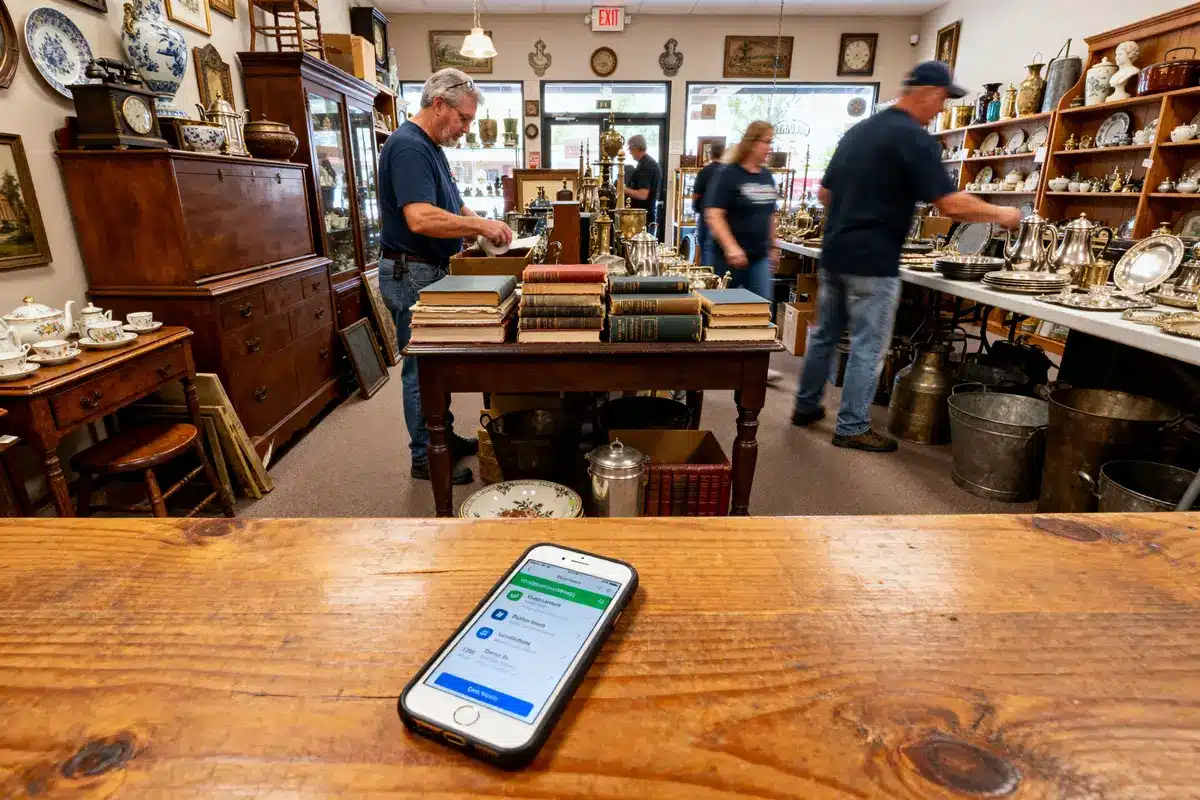
Local venues provide a more personal and immediate way to sell antiques, often preferred for bulky items like furniture that are expensive to ship. Antique dealers usually buy outright or take consignments, offering sellers convenience but often at a lower payout. Typical commission rates for dealers range from 30% to 50%, depending on the item’s condition and rarity.
Estate sale companies handle entire households and offer a fast liquidating option. Their commissions usually run between 25% and 40%, but they often charge setup fees as well. Estate sales provide the convenience of a professional team managing everything from pricing to advertising to sale-day operations.
Local auctions complement these options, especially for quality pieces. However, sellers should verify the auction house’s reputation and be cautious of hidden fees or delayed payments.
Where to Sell Antiques: Matching Channels to Goods
Furniture, Paintings, and Small Collectibles: Best Fits
Choosing the right sales channel depends heavily on the type of antiques you own. Large furniture pieces often sell best locally, through dealers or estate sales, because of shipping and handling concerns. Quality paintings and fine art typically fetch better prices at specialized auction houses or online art platforms that cater to collectors expecting provenance and condition reports.
Small collectibles such as vintage jewelry, porcelain, or coins are versatile. These can be sold online via marketplaces or finalized through local dealers specialized in the category. For instance, porcelain figurines do well on auction sites that attract European buyers.
Matching the item to its ideal market helps maximize value. A one-size-fits-all approach rarely works well when considering where to sell antiques.
Timing, Returns, and Value Expectations
Understanding the timing and financial expectations for different selling methods is critical to planning. Auction houses, for instance, typically disburse payment within 30 days after the sale, while direct dealer sales or estate sales often pay out within 7 to 14 days.
Returns also vary by method. Dealers may offer immediate payment but generally at wholesale prices, often between 40% and 70% of the item’s estimated retail value. Estate sales and auctions might take longer and charge commissions, but they frequently achieve higher sale amounts. Patience and preparation can significantly impact the final value you receive.
Author’s Note
“Detailed provenance and crisp, high-quality photos with at least 5 images at 1200 pixels or higher resolution hugely improve buyer confidence and sale prices on online platforms.”
Prepare and Present: Documentation, Photos, Provenance
When deciding where to sell antiques, presentation is key. Taking the time to document the item’s history and condition will pay off in better prices. Provenance—the documented history of ownership—builds trust, especially with collectors demanding authenticity.
Photos should be crisp and clear, showing multiple angles including any makers’ marks, damage, or restoration work. Sellers should feature at least five high-resolution photos per item, ideally 1200 pixels or larger. This allows potential buyers to zoom in and assess quality digitally.
Written descriptions should be thorough yet concise. Include dimensions, approximate age, materials, and any relevant background stories. Proper documentation paired with quality visuals can transform a listing and significantly increase buyer interest online.
Red Flags and Secure Deals: Contracts and Insurance
Before agreeing on any sale, whether online or local, it’s essential to spot red flags and protect yourself. Always insist on a written contract or sales agreement that details the payment schedule, commission or fees, item condition, and return policies.
Insurance is often overlooked but can be critical, especially for shipping or estate sales. Check whether the venue or platform covers loss or damage in transit. If not, consider third-party insurance to avoid unexpected losses.
Watch for dealers or buyers who press for quick decisions or offer unusually low prices immediately. Transparency, professional communication, and contracts are the pillars of secure transactions when selling antiques.
Find Reputable Pros: Appraisers and Dealers
Working with trustworthy experts can make a big difference in your selling experience and ultimate returns. Certified appraisers provide unbiased valuations backed by expertise in authentication and market trends. Look for appraisers affiliated with recognized organizations such as the American Society of Appraisers or the International Society of Appraisers.
Local dealers often provide quick sales but verify their reputation through references or consumer reviews. Attending local estate sales or antique fairs can help you meet reputable dealers face-to-face. Ask for contracts and carefully review their terms before consigning your goods.
Using pros means you gain access to knowledge about market demand, pricing accuracy, and trusted selling channels. This strategy helps you avoid pitfalls and get the best price when considering where to sell antiques.
🧮 Calculator for Where to Sell Antiques: Estimate Your Net Earnings
Enter your estimated sale price and select your selling channel to see your expected proceeds after fees and commissions.
FAQ: where to sell antiques
What is the best way to sell an antique?
The best way to sell an antique depends on its type and value. Online platforms offer broad reach and competition, while local dealers and estate sales provide convenience. For high-end items, specialized auction houses often yield top prices. Presentation and provenance also greatly influence outcomes.
Where is the best place to sell your antiques?
The best place to sell your antiques depends on item size and category. Large furniture sells better locally to avoid shipping, while collectibles and fine art do well online or at specialized auctions. Matching the item with the right market maximizes value and selling speed.
How do I find out if my antiques are worth anything?
Finding out if your antiques are worth anything starts with consulting certified appraisers or using reputable online valuation tools. Researching similar sales and auction results also helps. Provenance and condition are critical factors that affect an item's market value.
What is the 100 year rule for antiques?
The 100 year rule for antiques means an item is typically considered an antique if it is at least 100 years old. This guideline helps distinguish antiques from vintage or collectible items, which are generally younger but still hold value for collectors.
What are the typical fees or commissions when selling antiques?
The typical fees or commissions when selling antiques vary by channel: online platforms charge about 5%–15%, specialized auctions take 10%–20%, estate sales range 25%–40%, and local dealers often take 30%–50%. Knowing fees helps set realistic price expectations.
How can I protect myself when selling antiques?
To protect yourself when selling antiques, always use written contracts detailing payment and conditions. Ensure insurance covers loss or damage, especially for shipping. Beware of low offers and quick pressure tactics, and work with reputable dealers or appraisers to secure safe deals.

Damian is an inquisitive writer with a passion for exploring diverse subjects. He loves sharing fresh perspectives, inspiring curiosity, and sparking meaningful conversations. For him, every topic is an opportunity to learn, connect, and uncover new ideas.