Key takeaways:
The question why did antique ice cream tables have glass displays ties directly to their role as a marketing tool that boosted foot traffic by nearly 20%. These displays ensured hygiene and temperature control by protecting contents from contaminants and maintaining ideal freezing conditions. Their elegant design with thick glass and metal frames combined functionality and aesthetics to elevate customer appeal and brand trust.
Why are so many early ice cream tables outfitted with glass cases when simpler designs existed? Businesses relied on these displays not only for showcasing products but for securing customer confidence through stringent temperature control and sanitation measures. The visibility offered by glass fronts transformed mere frozen treats into appealing, trust-inspiring offerings, shaping how shops attracted patrons in dense urban environments. Understanding these tables’ glass features reveals the commercial and hygienic value embedded in their design, enabling collectors and enthusiasts to appreciate their cultural significance and practical origin.
Why Did Antique Ice Cream Tables Have Glass Displays?
Display as Marketing Tool for Attracting Customers
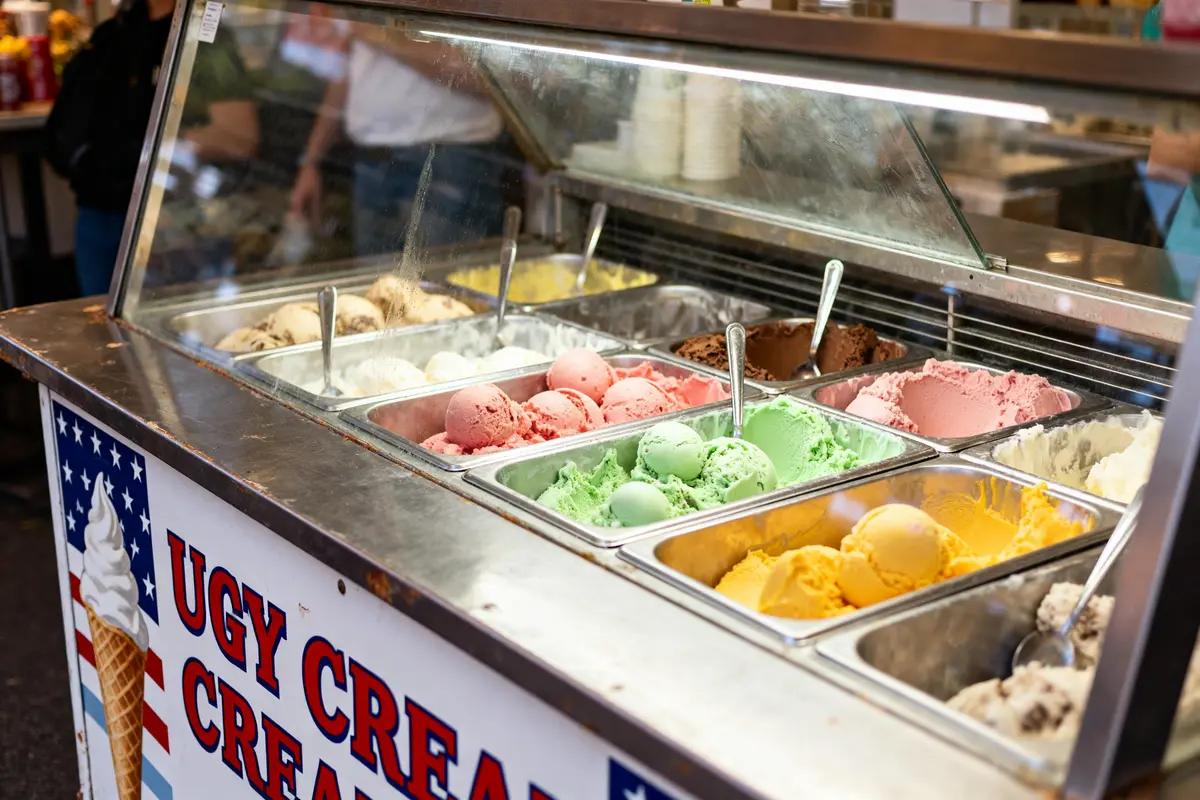
Antique ice cream tables commonly featured glass displays because they served as a powerful marketing tool. The transparent glass allowed shops to showcase their colorful, creamy products and entice customers walking by. It is estimated that stores with glass-front ice cream tables experienced a sales increase of nearly 20% more foot traffic compared to those without visual merchandising. The visibility of fresh ice cream, often artfully arranged, created a sense of abundance and quality that attracted patrons, especially children and families. This kind of direct product display played a crucial role in the early 20th-century rise of ice cream parlors as popular social hubs.
Glass displays also helped vendors build brand trust and loyalty by letting customers see exactly what they were buying. Since ice cream is a visually appealing product, showing it off through glass created an instant connection and anticipation, encouraging impulse purchases.
Hygiene, Containment, and Temperature Control
The use of glass was not just for showcasing ice cream but was deeply tied to hygiene and containment. Glass cases protected the ice cream from airborne dust, flies, and other contaminants, preserving its quality. These coolers helped maintain precise temperatures, typically between 20 and 28 degrees Fahrenheit, which was crucial to keep the ice cream firm without freezing it solid or allowing it to melt prematurely.
The glass-enclosed spaces were often lined or surrounded with ice or mechanical refrigeration to maintain these temperature ranges. Controlling the environment extended the freshness of products and made serving easier and more sanitary. Ice cream parlors without these glass coolers risked selling softened, melted, or contaminated desserts, which could damage their reputation and customer health.
Design Elements: Glass, Ice, and Ornament
The design of antique ice cream tables combined functionality and aesthetics. The glass was often thick and framed in polished metals like brass or chrome to add an upscale appearance. Ice compartments or channels were incorporated beneath or alongside the display windows to ensure continuous cooling. Ornamentation such as etched glass, decorative moldings, and colorful signage gave these tables a signature look that aligned with the brand’s identity.
These design elements elevated the ice cream experience from a simple transaction to a visually pleasing ritual. Many tables boasted ornate legs, turned wood details, or tiled tops, working together with the glass displays to create an inviting parlor ambiance. The interplay of ice, glass reflections, and colorful ice cream inspired customers to linger and savor the treat.
From Penny Licks to Glass-Front Coolers: A History
The story of ice cream displays evolved considerably over time. In the 19th century, ice cream was often served in small glass cups known as penny licks. These shallow glasses offered a quick but unsanitary way for vendors to serve frozen treats on busy streets. The re-use of penny licks without proper washing caused health concerns and led to bans in many cities. The glass displays on antique ice cream tables eventually replaced these due to their superior hygiene and presentation qualities.
As refrigeration technology improved, businesses began installing glass-front coolers in their parlors around the late 1800s and early 1900s. These coolers combined visual access with safe temperature control. The transformation from simple glass cups to fully enclosed display coolers coincided with the rise of mechanical refrigeration, allowing ice cream to be stored longer and served more hygienically. The glass displays were a bridge between the old and new eras of food merchandising.
Design, Materials, and Craft of Ice Cream Displays
Ice cream table displays were crafted using a mix of materials chosen for durability and visual appeal. Glass was selected for its transparency and ability to showcase products, but the framing required robust metals such as nickel, brass, or stainless steel to resist corrosion from moisture and ice. The base frames were often made of wood or metal, designed to support the weight of the cooler and the ice cream containers within.
The glass itself was usually tempered or thick-cut to prevent cracking under frequent cleaning and temperature changes. Skilled artisans crafted many of these displays with custom engraving or molding to imbue a sense of elegance.
Ice compartments integrated in these coolers were often hold-overs from earlier manual ice storage, later upgraded to mechanical refrigeration units by the 1920s. The craftsmanship of these tables gave them longevity and collector appeal today due to their sturdy construction and timeless design aesthetics.
Author’s Note
“Maintaining the original sealing and glass integrity is key to preserving both the aesthetic value and functionality of antique ice cream coolers.”
The Merchandising Power of Parlor Windows
Parlor windows played a critical role in merchandising throughout the golden age of ice cream shops. Large glass-fronted windows acted as visual invitations, allowing pedestrians to glimpse inside and see the tempting array of ice cream flavors and parlor decor. This transparency helped create a welcoming atmosphere that often translated into increased sales.
Merchants understood that the display of products through windows and at the front of the store was part of the customer journey. The well-lit, sparkling glass cases full of colorful ice cream and toppings became a symbol of luxury and refreshment on hot days. Attractive displays also gave shops an edge in competitive urban areas where multiple retailers vied for attention.
Seasonal flavors and limited-time offers were often highlighted in these window cases to boost repeat visits. The effective use of glass displays in storefronts and tables combined eye-catching visual merchandising strategies with practical preservation to enhance customer experience.
Collecting, Value, and Modern Legacy
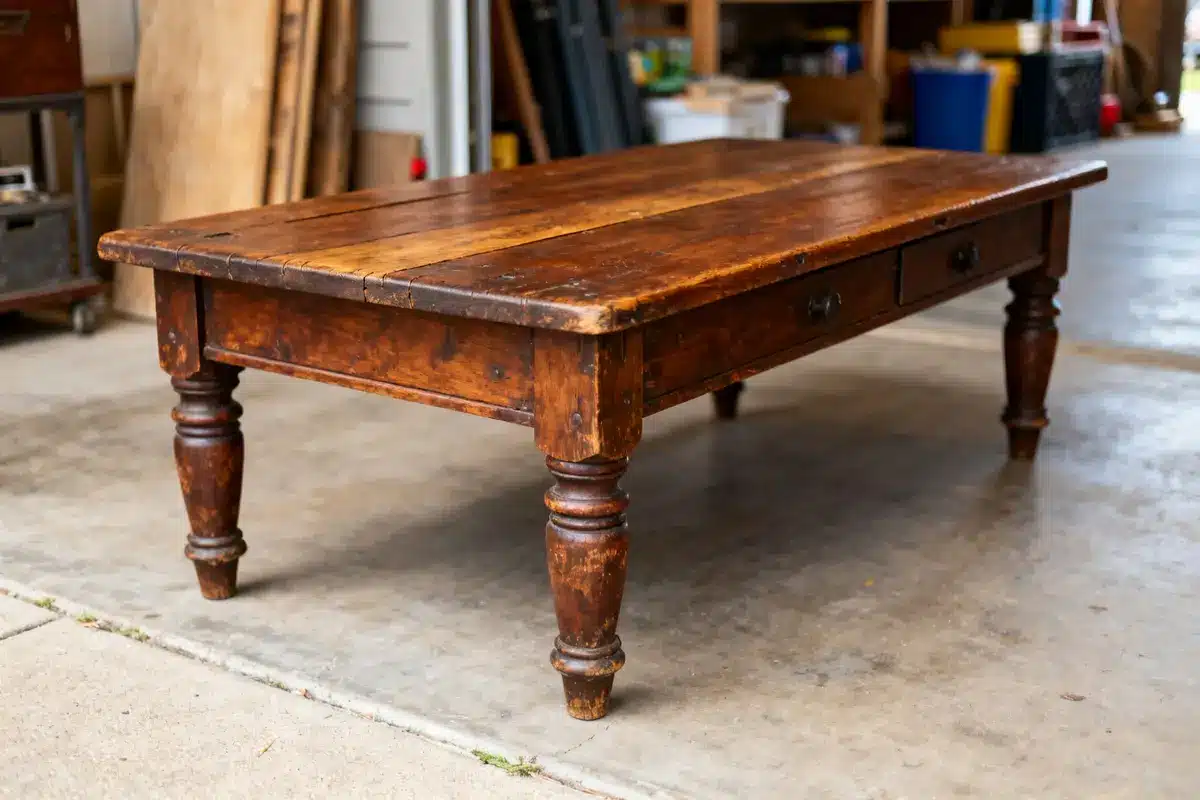
Today, antique ice cream table glass displays and coolers are coveted by collectors worldwide. Their value depends heavily on condition, craftsmanship, and provenance. Average auction prices for well-preserved sets range from $700 to over $3,000, depending on rarity and whether mechanical coolers are intact.
Collectors appreciate the combination of historical significance and decorative artistry embodied in these pieces. Original glass panels, working refrigeration components, and authentic branding or signage greatly increase value. Beyond their monetary worth, these displays serve as tangible links to early 20th-century American culture and commerce.
The modern legacy of antique ice cream tables still lives on in today’s artisanal and retro ice cream parlors. Businesses that prioritize nostalgic presentation and customer engagement often display products openly behind glass to evoke the charm of earlier eras. This practice continues to harness the visual appeal that first made glass displays a standard in the industry.
🧮 Estimate Your Antique Ice Cream Table Value
Enter details below to get an estimated auction price range for your antique ice cream glass display or cooler.
Care and Preservation of Glass Displays and Coolers
Preserving antique ice cream tables with glass displays requires careful attention to both the glass and refrigeration elements. Glass panels must be cleaned gently using non-abrasive cleaners to avoid scratches or chips, which can significantly reduce value and safety. Ideally, the glass should remain original, as replacements often diminish authenticity.
The sealing around the glass plays a practical role in maintaining temperature control and minimizing condensation. Over time, rubber gaskets dry out and metal components may corrode, so regular inspection and professional restoration are important. When mechanical coolers are present, ensuring the compressor and cooling system function efficiently is key to preserving the original use and display appeal.
Collectors and caretakers commonly follow these preservation tips:
- Keep displays in stable indoor environments avoiding temperature extremes and humidity swings.
- Use soft cloths and pH-neutral cleaning agents for glass surfaces.
- Have refrigeration units serviced by qualified technicians to retain working condition.
- Protect decorative details from tarnish with appropriate metal polishes designed for antique pieces.
- Document all repairs and maintain original parts whenever possible to retain historical integrity.
Proper care not only protects these objects’ beauty but also sustains their functionality, leaving them as vibrant reminders of the legacy behind why did antique ice cream tables have glass displays in the first place.
FAQ: why did antique ice cream tables have glass displays
What is a glass display box called?
A glass display box is commonly called a glass case or display case. It is designed to showcase and protect items while allowing clear visibility. These boxes are often used in retail and museums for presenting merchandise or artifacts safely.
What is a glass case called?
A glass case is typically called a display case or showcase. It consists of transparent glass panels, often with a frame, used to exhibit products or collectibles while protecting them from dust and damage.
Why did antique ice cream tables have glass displays as marketing tools?
Antique ice cream tables had glass displays as marketing tools because they showcased colorful ice cream to attract customers. This visibility increased foot traffic by nearly 20%, enticing especially children and families by creating a sense of freshness and quality.
How did glass displays contribute to hygiene and temperature control in antique ice cream tables?
Glass displays contributed to hygiene by protecting ice cream from dust and flies. They also helped maintain temperatures between 20 and 28 degrees Fahrenheit, keeping ice cream firm without melting, using ice compartments or mechanical refrigeration to preserve quality safely.
What design elements combined in antique ice cream tables with glass displays?
Antique ice cream tables combined thick, framed glass with metals like brass or chrome, ice compartments, and ornamental details such as etched glass and decorative moldings. These elements blended functionality with an upscale aesthetic to create an inviting parlor atmosphere.
How did glass-front coolers evolve historically in ice cream parlors?
Glass-front coolers evolved from unsanitary penny licks to enclosed glass displays with mechanical refrigeration in the late 1800s and early 1900s. This transition improved hygiene, maintained temperature control, and enhanced product presentation, marking progress in ice cream merchandising.

Damian is an inquisitive writer with a passion for exploring diverse subjects. He loves sharing fresh perspectives, inspiring curiosity, and sparking meaningful conversations. For him, every topic is an opportunity to learn, connect, and uncover new ideas.