Key takeaways:
Mastering how to run an antique flea market booth requires targeting venues with consistent foot traffic and matching your inventory to the right demographic. Proven sourcing methods like estate sales and auctions provide a reliable flow of unique stock, while disciplined budgeting, such as setting a monthly spending limit, prevents overbuying. Combining these strategies supports steady sales growth and sustainable booth management.
What if finding the right flea market spot mattered more than simply picking the cheapest or busiest location? Many dealers overlook crucial factors like the venue’s atmosphere and shopper demographics, which can significantly affect turnout and turnover. Successful antique booth operators know that thoughtful sourcing and disciplined budgeting are key in adapting to market trends. By mastering these aspects, you can confidently tailor your inventory and pricing to increase profits while maintaining a manageable workload.
How to Run an Antique Flea Market Booth Like a Pro: Location Fit
Choosing the right location is one of the most critical steps in how to run an antique flea market booth successfully. Not every flea market or antique mall suits all types of antique dealers. You want a venue that matches your inventory style and attracts your ideal buyers.
Look for markets with consistent foot traffic and a reputation for quality vintage or antique goods. Evaluate whether the customer base fits your product’s vibe—high-end English antiques won’t sell as well in a casual roadside flea market known for garage sale finds.
Location fit means more than just foot traffic; it also involves the right demographic mix and the overall atmosphere of the market. Does it feel welcoming and well-organized? Can your booth blend naturally with others?
Some vendors rush into the cheapest option, but that strategy often backfires, costing more in the long run through slow sales and frustrated effort. Spend time visiting potential markets at peak hours. Talk to other vendors and managers about their experience. This upfront research builds a strong foundation for your booth’s future.
How to Run an Antique Flea Market Booth Like a Pro: Start Small
When learning how to run an antique flea market booth, starting small helps avoid feeling overwhelmed. A smaller booth requires less inventory, less styling, and is easier to manage as you learn buyer behaviors and refine your sourcing.
Many beginners make the mistake of leasing large spaces right away, which demands a big inventory investment and a significant time commitment for cleaning and display upkeep.
Starting with a smaller, manageable space allows you to get a feel for what sells best, how to price your items, and how to stage them effectively. Plus, it helps you build some capital before expanding.
Think of this as an organic growth approach. Over time, as sales increase and you gain confidence, you can move into larger booths without carrying debt or inventory nightmares.
Smart Sourcing, Inventory, and Budgeting
Estate Sales and Auctions: Sourcing Tactics
One of the smartest ways to keep your inventory fresh and appealing is by sourcing from estate sales and auctions. These venues often offer unique pieces not found in regular thrift shops or flea markets.
Research upcoming estate sales online and focus on those in older or historic neighborhoods. Their inventory tends to yield higher-quality antiques. Auctions can also be gold mines if you learn to bid strategically.
Hit local weekend flea markets where dealers unload large quantities or attend seasonal picking events to catch special sales cycles. Tracking these cycles helps you replenish inventory when demand peaks, optimizing your cash flow.
Budgeting for Inventory and Avoiding Overbuying
Effective budgeting can make or break your booth business. Set a monthly inventory spending limit and stick to it strictly to avoid overbuying—the surest way to tie up cash and create storage headaches.
Restocking strategically according to the seasons keeps your booth fresh and relevant without the chaos of excess stock. Remember, less is often more. Focus on quality and variety rather than sheer quantity.
Keep detailed records of your purchases, pricing, and sales to monitor profitability. Avoid common pitfalls like ignoring carrying costs or neglecting how overstock impacts your home or storage space.
Wholesale Options to Fill Gaps
When your booth needs a quick refresh or you want to offer complementary items, look into wholesale suppliers. Selling wholesale items alongside your antiques can help fill empty spots and speed up sales.
Wholesale items can be seasonally timed to align with current decorating trends, making your booth more attractive. Just ensure any wholesale goods complement your booth’s brand and the overall style your customers expect.
This hybrid sourcing approach balances the unpredictability of vintage finds with the reliability of new inventory and can boost your overall sales velocity.
Author’s Note
“Consistent tracking of seasonal sales cycles and inventory rotations is vital for sustaining profitability in an antique booth business.”
Pricing and Presentation That Drive Sales
Pricing Strategy for Quick Turnover
To maximize profits and turnover, adopt a pricing strategy that factors in the condition of each antique and current demand. Typically, multiply your purchase price by 2 to 3 times, adjusting for rare or highly desired items with margins up to 4x.
Items in less-than-perfect shape should be priced more competitively to encourage faster sales. Regularly assess your pricing against competitor booths and be flexible to lower prices on slow-moving inventory.
Clear and competitive pricing helps shoppers trust your booth, which encourages repeat business and word-of-mouth referrals.
Staging Essentials: Lighting, Grouping, and Space
Presentation plays a major role in selling antiques. Use bright, adjustable lighting to highlight your best pieces while keeping your booth inviting. Lamps and battery-operated lights work well when overhead lighting is inadequate.
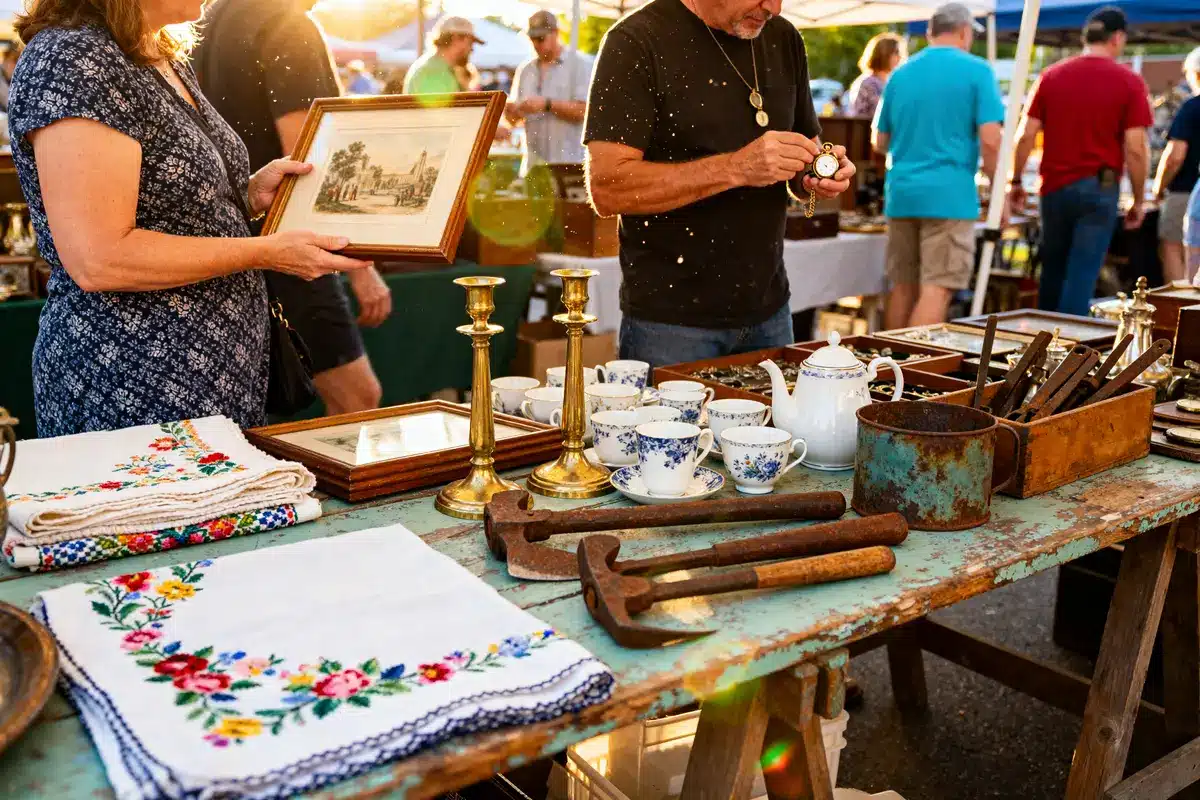
Group items in odd numbers, creating eye-pleasing “huddles” at varying heights. Leave enough walking space so shoppers can browse comfortably without feeling cramped.
Display items at waist to eye level, avoiding floor clutter which can look disorganized and deter buyers. Adding faux greenery or fresh florals can add life and warmth to your displays.
Signage and Tags Best Practices
Effective signage and price tags are key communication tools. Use clear, durable tags that do not damage delicate items. Avoid sticky tape on paper antiques or anything fragile.
Pricing, brief descriptions, and condition notes help shoppers evaluate without hesitation. Consider labeling handmade or locally sourced pieces to appeal to shoppers who value uniqueness.
Neat, professional tags paired with consistent signage boost your booth’s credibility and encourage purchases.
Collaboration, Community, and Compliance
Building good relationships with fellow vendors and market management enhances your selling experience. Treat other vendors as collaborators rather than competitors. Sharing sourcing tips, restocking schedules, and staging ideas can improve everyone’s booth performance.
Stay in compliance with the market’s rules and local regulations, especially regarding state sales tax registration and collection. Register with your state’s tax authority if required and remit taxes promptly to avoid fines that can hurt your business.
Navigating these legal aspects upfront prevents headaches down the road and builds trust with both market managers and customers.
Trends and Wholesale Opportunities
Staying informed about decorating trends is crucial. Popular styles shift from brass to cottage, boho to primitive, and beyond. Knowing what customers want this season lets you tailor your inventory for faster sales.
Wholesale sources are often quicker at offering trendy or seasonal goods. Using wholesale alongside your vintage pieces keeps your booth fresh and appealing to trend-conscious shoppers without a heavy sourcing burden.
Combining trend awareness with smart sourcing and solid presentation skills is the recipe for thriving in the modern antique flea market space.
🧮 Inventory Budget Calculator for Antique Flea Market Booth
Estimate how much budget to allocate for inventory monthly to maintain your booth profitably and avoid overstock.
FAQ: how to run an antique flea market booth
Do I need an LLC for an antique booth?
Do you need an LLC for an antique booth? While not always required, forming an LLC can protect your personal assets and give your business credibility. Check local regulations to decide if this legal structure fits your goals and provides needed liability protection.
What sells best at flea market booth?
What sells best at flea market booths? Popular items include unique antiques, vintage decor, collectibles, and items in good condition with appealing presentation. Understanding your market’s demographic and current trends also helps target products buyers want.
What is the 100 year rule for antiques?
What is the 100 year rule for antiques? Generally, items that are 100 years old or more are considered antiques. This rule helps distinguish antiques from vintage or collectibles, affecting how you price and market your items.
How to run a successful antique booth?
How to run a successful antique booth? Choose the right location, start small, source smartly, price competitively, and present well. Building relationships with vendors and complying with regulations also boost long-term success.
What are some smart sourcing tactics for stocking an antique flea market booth?
Smart sourcing tactics include shopping estate sales and auctions for unique pieces, attending local flea markets when dealers unload inventory, and following seasonal picking events. This approach keeps your stock fresh and appealing.
How do I budget for inventory and avoid overbuying when running an antique booth?
Budget for inventory by setting a monthly spending limit that fits your goals. Avoid overbuying by tracking sales trends, stocking seasonally, and focusing on quality over quantity. Keeping records helps monitor profitability and storage needs.

Damian is an inquisitive writer with a passion for exploring diverse subjects. He loves sharing fresh perspectives, inspiring curiosity, and sparking meaningful conversations. For him, every topic is an opportunity to learn, connect, and uncover new ideas.