
Turn your home into a stylish haven without spending a fortune by discovering how ordinary trash becomes extraordinary treasure. This guide reveals dozens of upcycled decor ideas on a budget that naturally transform forgotten items into stunning focal pieces, complete with sourcing tips, design strategies, and step-by-step projects that cost under $50 each.
What are some creative upcycled decor ideas on a budget?
Upcycled decor ideas on a budget transform everyday discarded items into stylish home accessories while saving significant money on interior design. These creative projects breathe new life into materials that might otherwise end up in landfills, turning them into functional and beautiful pieces for your living space.
The beauty of upcycling lies in its cost-effectiveness and environmental benefits. Furniture transformations alone can save around 50-70% compared to purchasing brand-new items. This approach allows homeowners to achieve their desired aesthetic without breaking the bank.
Popular budget-friendly upcycling projects include converting old wooden pallets into coffee tables, transforming glass jars into pendant lights, and repurposing vintage suitcases as unique storage solutions. Each project typically costs between $10 and $50 in supplies, making stylish decor accessible to everyone.
Unique materials to consider for upcycling projects
Smart material selection forms the foundation of successful upcycling ventures. Pallet wood stands out as one of the most versatile and readily available options for budget-conscious decorators. These sturdy wooden structures can be dismantled and reconstructed into shelving units, headboards, or garden planters.
Glass containers offer endless possibilities for creative transformation. Mason jars, wine bottles, and food containers can become elegant vases, candle holders, or storage vessels with minimal modification. The transparency of glass allows for interesting lighting effects when combined with LED strings or candles.
Metal items like tin cans, old ladders, and discarded hardware provide industrial charm to modern homes. These materials bring durability and character to projects while requiring only basic tools for modification. Vintage metal pieces often develop attractive patinas that add authentic aged appeal to finished projects.
Upcycled decor ideas on a budget using everyday items
Common household items present amazing opportunities for creative transformation without requiring expensive specialty materials. Old books can become floating shelves, decorative storage boxes, or unique wall art when their pages are carefully folded into sculptural patterns.
Fabric scraps and worn clothing offer textile solutions for various decorating needs. These materials can be woven into colorful rugs, sewn into throw pillow covers, or braided into decorative wall hangings. The soft textures provide pleasant contrast to harder upcycled elements throughout your space.
Creative furniture transformations with upcycled materials
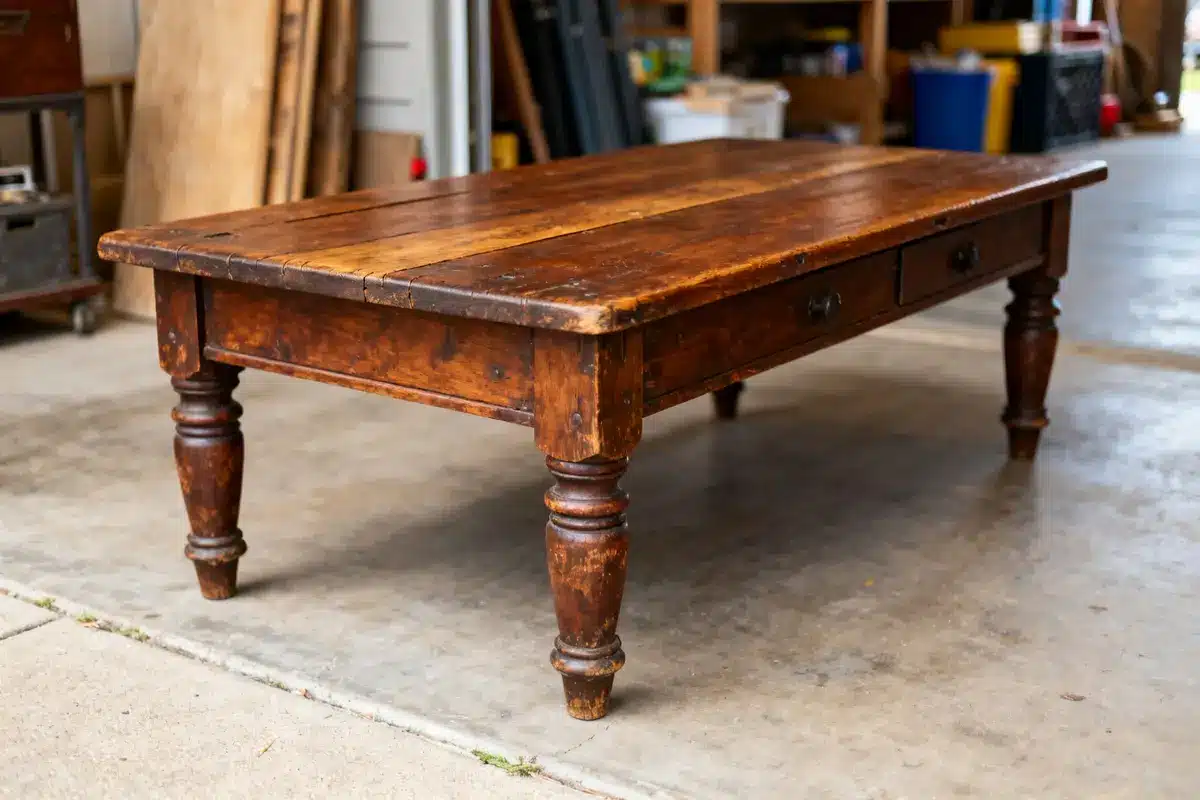
Old furniture pieces serve as excellent foundations for dramatic transformations that completely change their appearance and function. A worn wooden dresser can become a stylish bathroom vanity with the addition of a vessel sink and fresh paint treatment.
Dining chairs with damaged upholstery gain new life when reupholstered with colorful fabrics or rope wrapping. These simple changes cost approximately $25 per chair in materials while creating custom seating that perfectly matches your decor style.
Repurposed wooden crates stack beautifully to create modular storage systems or display shelving. Sand them smooth, apply stain or paint, and arrange them in configurations that suit your space requirements and aesthetic preferences.
DIY decor accents made from recycled items
Small decorative touches made from recycled materials add personality and charm throughout your home. Bottle caps collected over time can be arranged into colorful mosaic picture frames or trivets that cost less than $10 to complete including adhesive and backing materials.
Tin cans transform into hanging planters with simple drainage holes and rope or chain hangers. These lightweight containers work perfectly for herbs, succulents, or trailing plants that bring natural beauty to kitchens, bathrooms, or covered outdoor spaces.
Wine corks accumulate naturally in many households and provide excellent material for bulletin boards, coasters, or decorative trivets. Their natural texture and wine-stained colors create warm, organic appeal in kitchen and dining areas.
Tips for sourcing materials for your upcycled projects
Successful upcycling depends heavily on finding quality materials at reasonable prices or even free sources. Thrift stores and flea markets offer treasure troves of potential project materials, from furniture pieces to decorative items that can be completely reimagined.
Curbside pickups in residential neighborhoods often yield surprising finds, especially during spring cleaning seasons or when people move homes. We recommend driving through different neighborhoods on trash collection days to discover items with good structural integrity that just need cosmetic improvements.
Local recycling centers and hardware stores like Home Depot or Lowe’s frequently sell discounted or leftover materials perfect for creative projects. Reclaimed wood bundles typically cost between $15 and $25, providing enough material for multiple small projects or one larger furniture piece.
- Check estate sales for vintage hardware and unique decorative elements
- Visit construction sites (with permission) for leftover lumber and materials
- Browse online marketplaces for people selling craft supplies in bulk
- Ask friends and family to save interesting containers or materials for your projects
How to choose the right design style for your upcycled decor
Selecting an appropriate design aesthetic guides material choices and ensures cohesive results throughout your decorating projects. Rustic styles favor distressed wood, natural textures, and earth-tone color palettes that highlight the weathered character of reclaimed materials.
Industrial design themes work beautifully with metal components, exposed hardware, and neutral color schemes. This approach celebrates the functional origins of repurposed materials while creating sophisticated modern appeal that works especially well in urban loft settings.
Vintage or shabby chic styles embrace aged metals, soft pastels, and deliberately worn finishes that suggest decades of loving use. These aesthetics allow imperfections in source materials to become charming design features rather than flaws to hide or repair.
We advise focusing on durability and compatibility with your existing home aesthetic when selecting both materials and design approaches. This strategy ensures your upcycled decor ideas on a budget will provide long-lasting satisfaction and seamless integration with your current furnishings.
Showcasing your upcycled creations in your home
Strategic placement maximizes the visual impact of your handcrafted pieces while highlighting the creativity and effort invested in each project. Areas with abundant natural light showcase textures, colors, and details that might be lost in dimmer locations.
Entryways and living areas serve as natural focal points where guests will notice and appreciate your creative efforts. These high-traffic zones allow your upcycled pieces to spark conversations and inspire others to consider similar sustainable decorating approaches.
Grouping related pieces creates stronger visual statements than scattering individual items throughout your space. A collection of upcycled planters on a windowsill or several repurposed lighting fixtures in one room demonstrates intentional design choices rather than random craft projects.
Photographing your completed projects provides documentation of your creative journey while offering opportunities to share inspiration through social media platforms. These images can motivate others to attempt their own eco-friendly decorating projects and build communities around sustainable living practices.
FAQ
What are some inexpensive craft ideas?
Some inexpensive craft ideas include painting on reclaimed wood, making jewelry from old buttons, or creating wall art using fabric scraps. Each project can typically be done with materials costing between $10 and $50, making them accessible for anyone looking to enhance their home decor creatively.
What is the easiest thing to upcycle?
The easiest thing to upcycle is often glass containers, such as jars and bottles. These items can be transformed into vases, storage solutions, or decorative candle holders with minimal effort and supplies, allowing for creative expression without a significant investment.
What DIY wall decor is the cheapest?
The cheapest DIY wall decor often consists of repurposed items like old frames filled with unique fabric or paper backgrounds, or painted pallet wood art. Projects like these require minimal resources, usually costing under $20, while adding personal touches to your space.
What upcycled items sell best?
Upcycled items that sell best typically include repurposed furniture, decorative jars, and handmade crafts from vintage materials. Items that blend aesthetic appeal with functionality often attract buyers, especially those seeking unique and sustainable home decor options.
How can I source materials for my upcycled projects?
To source materials for upcycled projects, visit thrift stores, flea markets, and curbside pickups. Local recycling centers and hardware stores often have discounted or free materials available. Networking with friends and family may also yield interesting items for your creative ventures.
What are some common household items for upcycling?
Common household items for upcycling include old books, fabric scraps, and tin cans. These items can be turned into decorative storage solutions, wall art, or planters, offering a cost-effective way to create unique decor while reducing waste and promoting sustainability.

Damian is an inquisitive writer with a passion for exploring diverse subjects. He loves sharing fresh perspectives, inspiring curiosity, and sparking meaningful conversations. For him, every topic is an opportunity to learn, connect, and uncover new ideas.