Key takeaways:
The buratinka was minted between 1659 and 1668 as a low-value copper coin within the Polish–Lithuanian Commonwealth. Two principal variants, the crown and Lithuanian buratinkas, feature distinct symbols and yield different market values. Over 800 million coins were produced, making buratinka a significant medium for daily transactions and numismatic interest today.
What if some of the most commonly overlooked copper coins from Eastern Europe hold unexpected historical significance and collectible value? Buratinkas emerged during decades of financial crisis, shaping everyday commerce and military funding in the 17th century Polish–Lithuanian Commonwealth. Understanding their varied mint details and market trends reveals how condition and provenance affect prices. By mastering these factors, collectors can navigate authenticity checks and optimize their acquisitions with confidence.
Understanding Buratinka: Coin, Origin, and Name
Buratinka Origins and Meaning
The buratinka is a small copper coin used in the 17th century within the Polish–Lithuanian Commonwealth. Its name most likely comes from the Italian engineer Tito Livio Burattini, who played a key role in its minting. The coin was introduced during King John II Casimir’s reign between 1659 and 1668 to address the need for low-value currency amid financial crises.
Though not officially named buratinka at the time, the term later entered numismatic literature in the 19th century to describe these copper shillings, also called solids. These coins replaced some silver denominations and were an essential part of everyday commerce across Poland and Lithuania.
Buratinka Types: Crown vs Lithuanian
There are two main types of buratinka: the crown (Polish) buratinka and the Lithuanian buratinka. The crown buratinka was minted primarily in Kraków and Ujazdów, while the Lithuanian version came from mints in Vilnius, Kaunas, and Malbork. Each type features distinct symbols and mintmarks that help collectors identify their origins.
The crown buratinka often displays the Polish coat of arms, whereas the Lithuanian variety bears the “Pogonia,” an armored knight symbolizing the Grand Duchy of Lithuania. Despite their similarities, the crown buratinka is generally more common and tends to have a lower market value compared to the rarer Lithuanian counterparts, which can fetch prices up to 30 percent higher in auctions.
Historical Context: Polish–Lithuanian Commonwealth
The Polish–Lithuanian Commonwealth was a powerful political union during the 16th and 17th centuries. By the mid-1600s, it faced great challenges including wars with Sweden and Russia, financial strain, and social unrest. To stabilize the economy and pay debts, King John II Casimir and his advisors authorized the minting of buratinka coins as affordable, mass-produced currency.
The production of copper coins helped replace foreign low-denomination coins that caused disruptions in trade. The issuance of over 800 million buratinka coins during this period, especially from Vilnius and Kaunas, contributed significantly to everyday transactions and military financing.
Minting Details and Marks to Identify Boratynka Coins
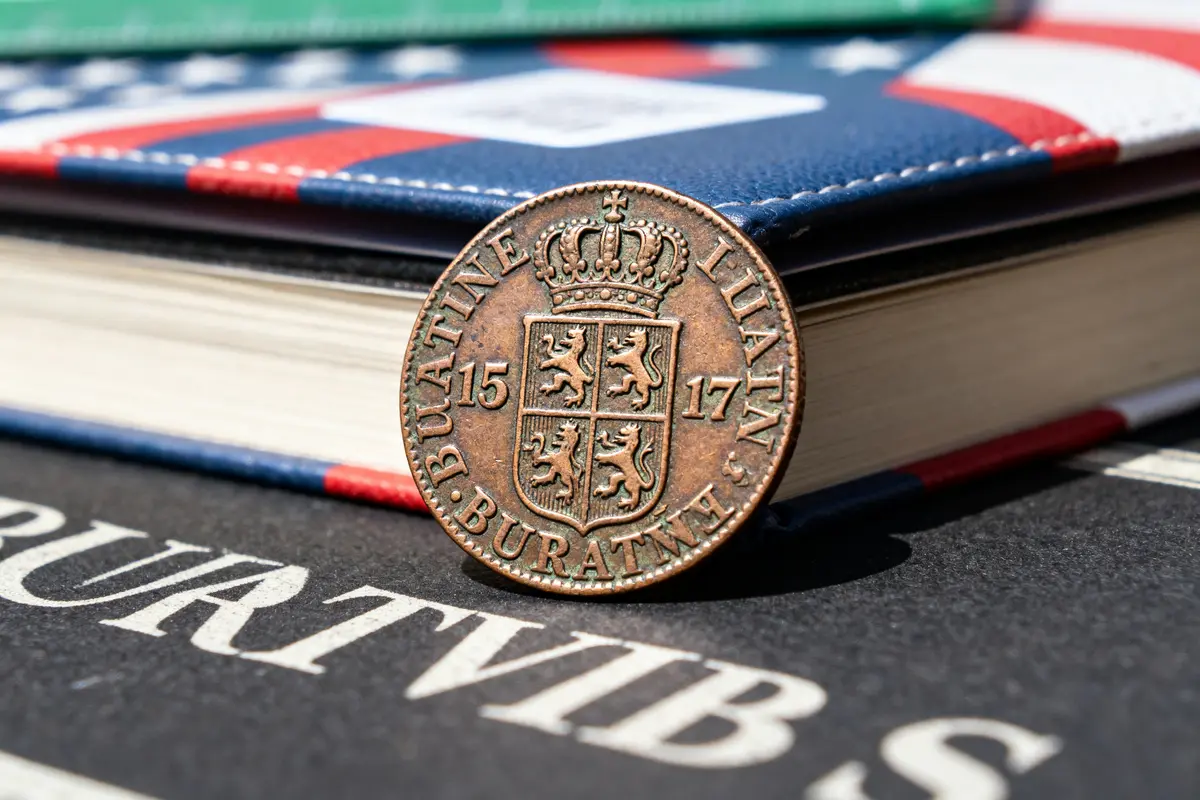
Identifying authentic buratinka coins involves examining their mint marks, inscriptions, and production details. The coins show the monarch’s name, “IOAN CAS REX,” and often include initials of the mintmaster. For example, the Lithuanian coins minted in Kaunas carry the initials “G.F.H.” for Georgas Fon Horn, marking his oversight of mint operations.
Yearly mint production volumes are essential to understanding rarity. Records indicate that Vilnius minted more than 400 million buratinka coins, whereas Kaunas produced over 40 million in a shorter period. Such figures help collectors estimate the likelihood of finding certain types.
Furthermore, buratinka coins vary in diameter between approximately 14 to 16 mm and weigh around 1 to 1.2 grams of copper, consistent with their low face value from that era.
Buratinka Value Today: Price Ranges and Rarity
Value Drivers: Year, Mint, Condition
The value of buratinka coins depends heavily on the year of minting, the mint location, and the coin’s overall condition. Coins minted in less common years or from smaller mints, like Malbork, tend to command higher prices. While many crown buratinka coins sell for $5 to $15, select Lithuanian buratinkas can reach $20 to $45 or more in excellent condition.
Coins that retain clear details of inscriptions, coats of arms, and mintmarks are highly sought after. Coins with heavy wear or corrosion generally fall at the lower end of the price spectrum.
Provenance and Market Trends
Provenance plays a growing role in buratinka valuation. Coins with documented history or those sold previously at renowned auctions often sell for premiums. Market trends show a steady interest in eastern European numismatics, increasing demand for rarer buratinka types.
In recent years, Lithuanian buratinka coins have grown noticeably more valuable compared to crown buratinkas. This rise is partially due to their relative scarcity and increased attention from international collectors.
Author’s Note
“When evaluating a buratinka, paying close attention to the mintmarks and subtle design differences will protect you from costly mistakes in a market increasingly targeted by counterfeiters.”
Authenticating Boratynka Coins: Tips for Buyers
Buyers should use several methods to authenticate a buratinka coin:
- Check for clear mint marks such as “TLB” or “G.F.H.” which signal the involvement of known mintmasters.
- Look closely for consistent wear patterns and avoid coins with unnatural smoothing or overly sharp details that could indicate a cast counterfeit.
- Observe the copper patina carefully; genuine buratinkas develop a distinctive greenish-brown aged surface, while fakes might have uneven or artificially painted patinas.
- Feel the weight and size carefully; fakes often stray from the typical 1 to 1.2 grams and 14-16 mm diameter balance.
Common counterfeit indicators often include uneven lettering, inconsistencies in the coat of arms, and incorrect mintmark placement. Using a magnifying glass or loupe can reveal these small but telling details.
Collecting and Display: Care, Storage, and Marketplaces
Proper care is crucial to preserve the value of buratinka coins. Store them in acid-free holders or coin capsules to prevent corrosion. Avoid excessive handling, especially without gloves, as skin oils can damage copper over time.
The best marketplaces to buy or sell buratinka coins include specialized numismatic auctions, reputable coin dealers with Eastern European expertise, and dedicated online platforms focusing on historical currencies.
When displaying, use soft lighting and avoid direct sunlight to reduce fading or discoloration. A properly curated buratinka collection not only shows historical importance but can increase in value when well maintained.
🧮 Buratinka Value Estimator Tool
Estimate the approximate market value of your buratinka coin based on key attributes.
FAQ: buratinka
What is buratinka?
Buratinka is a small copper coin used in the 17th century within the Polish–Lithuanian Commonwealth. It was introduced during King John II Casimir’s reign to provide low-value currency during financial crises and played a key role in everyday commerce.
What is the origin of the buratinka name?
The buratinka name likely comes from the Italian engineer Tito Livio Burattini, who helped mint these coins. Although the term appeared later in 19th-century numismatic literature, it refers to the copper shillings minted during the 1600s under King John II Casimir.
How do I identify a genuine buratinka coin?
To identify a genuine buratinka, check for clear mint marks like “TLB” or “G.F.H.” Inspect consistent wear patterns, authentic copper patina, and accurate weight (1 to 1.2 grams) with a 14-16 mm diameter. Look for authentic inscriptions without uneven lettering or incorrect details.
What factors affect the value of buratinka coins today?
The value of buratinka coins depends on the year minted, mint location, and condition. Rare mints like Malbork and well-preserved coins command higher prices. Lithuanian buratinkas generally fetch more than crown types due to scarcity and collector interest.
What are the differences between crown and Lithuanian buratinka coins?
Crown buratinka coins were minted mainly in Kraków and Ujazdów and often show the Polish coat of arms. Lithuanian buratinkas, from mints like Vilnius and Kaunas, feature the armored “Pogonia” knight. Lithuanian coins are rarer and more valuable than the more common crown types.
How should I store and care for buratinka coins?
To preserve buratinka coins, store them in acid-free holders or coin capsules and avoid excessive handling. Use gloves to prevent skin oils damaging the copper. Display coins with soft lighting away from direct sunlight to reduce fading and maintain their historical value.

Damian is an inquisitive writer with a passion for exploring diverse subjects. He loves sharing fresh perspectives, inspiring curiosity, and sparking meaningful conversations. For him, every topic is an opportunity to learn, connect, and uncover new ideas.