Key takeaways:
Antique vintage furniture spans from 20 up to 100 years old and commonly includes mid-century modern and Art Deco styles. Evaluating these pieces requires scrutiny of joinery techniques and provenance to ensure authenticity. Buyers often engage with galleries, auctions, and online drops to find unique, high-quality items with distinctive craftsmanship.
What qualifies as valuable antique furniture might surprise you, as some pieces only start earning vintage status after two decades. Collectors cherish these items for their lasting appeal, including solid hardwood construction and intricate hand-applied finishes that mass production lacks. Knowing how to assess condition and repair history influences both the price and longevity of these rare finds. With an understanding of authentic markers and trusted sources, enthusiasts can confidently identify and acquire desirable period styles that enrich home décor.
What Is Antique Vintage Furniture?
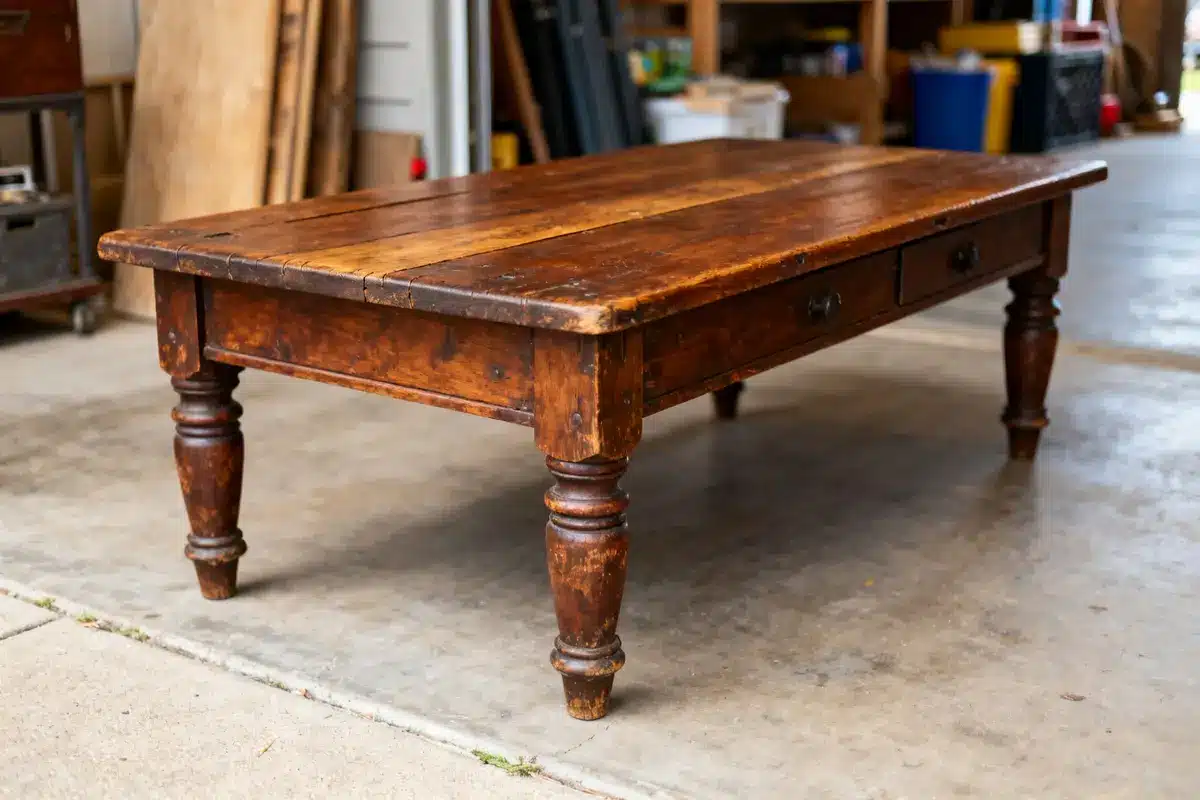
Antique vintage furniture refers to pieces that are at least 20 to 100 years old, evoking a sense of history that modern items cannot match. These pieces often showcase craftsmanship and materials that are rare today, like solid hardwoods and hand-carved details.
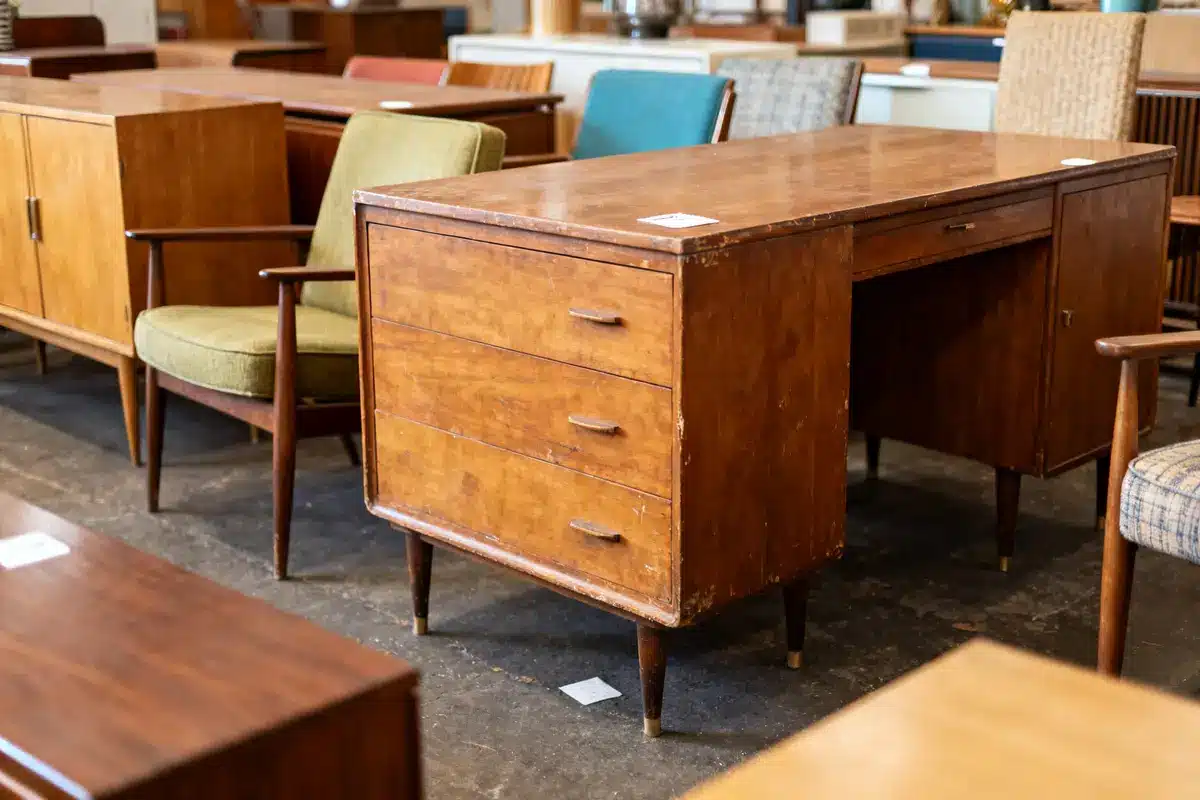
While antiques generally are 100 years or older, vintage furniture covers a wide period including popular mid-century modern and Art Deco styles. Both categories provide charm and character, often featuring unique patina and wear that prove their age and authenticity.
Collecting antique vintage furniture lets you own a piece of history with proven quality. Such furniture frequently reveals masterful joinery, hand-applied finishes, and exquisite materials like walnut, mahogany, or oak, offering a level of craftsmanship that mass manufacturing rarely equals.
Overall, these pieces bring unique style and solid construction not often found in newer furniture, making them prized in many homes and collections.
Where to Find It: Trusted Sources for Unique Pieces
Galleries, Dealers, and Showrooms
Galleries and trusted dealers are excellent sources for antique vintage furniture, offering carefully selected pieces with verified provenance. Showrooms often provide a curated collection with detailed histories and condition reports, making them great for serious buyers who value authenticity.
Reputable dealers specialize in distinct periods and styles, ensuring you find items made from quality materials and showing true vintage character rather than imitations or reproductions.
Estate Sales, Auctions, and Flea Markets
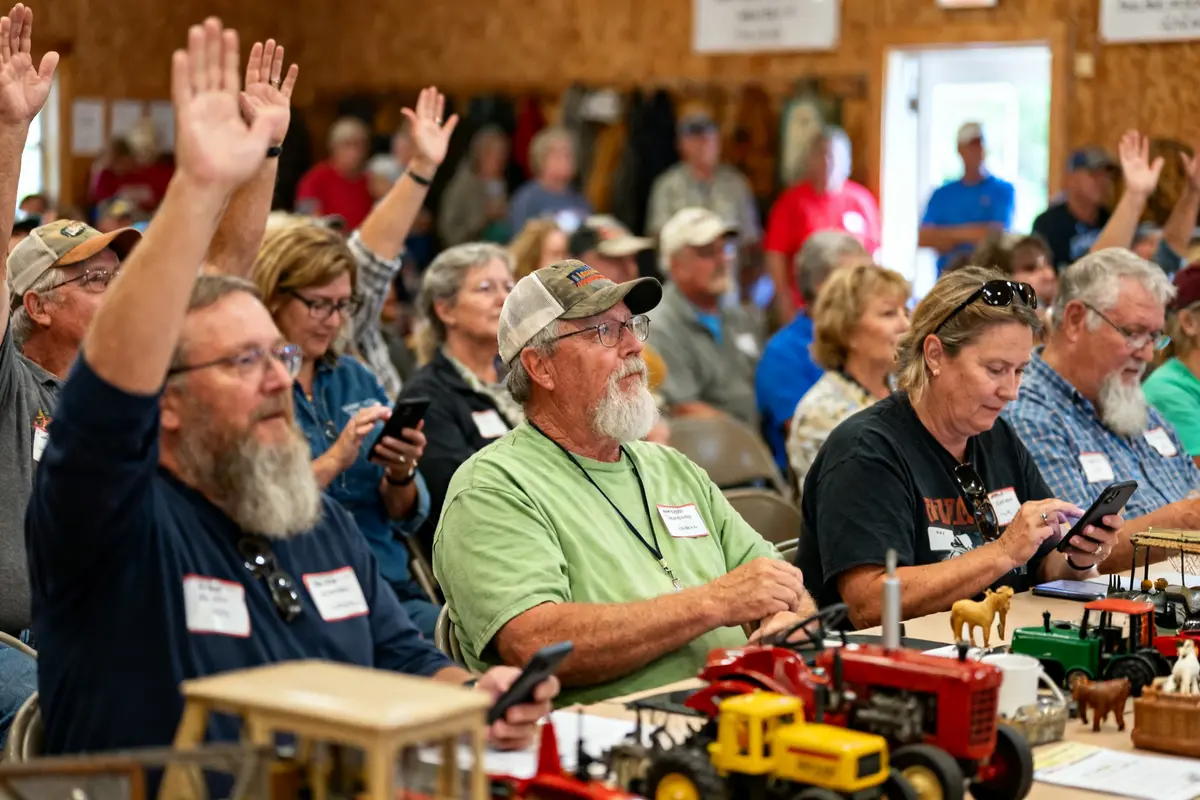
Estate sales and auctions bring opportunities to discover original and one-of-a-kind items at more variable prices. Here, the thrill lies in the hunt for treasures, but expertise in evaluating provenance and condition is essential to avoid overpaying for superficially aged pieces.
Flea markets may surprise with occasional finds but often require more knowledge to spot quality amid the mix, especially to distinguish genuine patina from artificial aging.
Online Marketplaces (Chairish) and Drops
Online marketplaces like Chairish have become popular for sourcing antique vintage furniture thanks to their broad selections and user-friendly filters. Chairish regularly hosts exclusive vintage drops and restocks that reveal rare and sought-after pieces, though timing is key to grab these before they sell out.
Membership in newsletters or alerts can help you watch for these drops and score exceptional items remotely, expanding access to unique styles beyond your local area.
Evaluating Quality and Authenticity
Signature, Provenance, and Materials
Identifying authentic antique vintage furniture relies on checking signatures, maker marks, or labels inside drawers or on undersides. Provenance documentation, such as ownership history or appraisals, adds confidence in a piece’s legitimacy.
The best pieces boast premium materials like solid hardwoods and authentic veneers with natural aging. Pay attention to joinery—hand-cut dovetails or mortise and tenon joints signal craftsmanship beyond modern manufacturing.
Being able to recognize genuine patina is vital; the subtle, natural wear developed over time differs significantly from artificial aging techniques used on some fakes.
Condition, Repairs, and Value
Condition impacts value but should be balanced with originality. Minor repairs or wear consistent with age typically enhance charm and authenticity. Over-restored or poorly matched repairs can reduce both appeal and worth.
Assessing structural integrity is crucial; look for cracks, loose joints, or problematic woodworm. Pieces in strong condition from high-quality makers command higher prices but also promise greater durability and longevity.
Author’s Note
“Understanding the difference between genuine patina and superficial aging safeguards your investment and ensures the piece’s story remains true.”
Buying Tips: Budgeting, Negotiating, and Timing
Set a realistic budget based on typical price ranges for common pieces. For example, solid mahogany sideboards might range from $1,000 to $4,000, while vintage accent chairs usually fall between $200 and $800, depending on condition and maker.
Negotiation can be effective at estate sales and auctions, especially toward the end of an event, but galleries usually set firm prices reflecting their authentication efforts.
Timing your purchase is key. Antique furniture markets often slow in winter but bloom spring through fall. Monitoring online platforms for scheduled drops also increases your chance of buying rare or popular items without markup.
Care, Maintenance, and Longevity
Proper upkeep preserves both look and value of antique vintage furniture. Avoid harsh chemicals; instead use gentle wood cleaners and beeswax or specialized furniture oils for finishing touch-ups.
Control humidity and temperature to prevent warping or cracking. Regular dusting and prompt repair of minor issues like scratches extend a piece’s lifespan.
Using felt pads protects feet and surfaces, and rotating pieces away from direct sunlight prevents fading. With attentive care, these timeless furniture pieces continue to offer unique style and quality for generations.
🧮 Calculator for Antique Furniture Budget
Estimate your budget based on furniture category and quantity.
FAQ: antique vintage furniture
What vintage furniture is worth money?
What vintage furniture is worth money depends on its age, condition, craftsmanship, and rarity. Pieces made from quality hardwoods with authentic patina and unique design, such as mid-century modern or Art Deco items, often hold greater value for collectors and enthusiasts.
What is the 100 year rule for antiques?
The 100 year rule for antiques means that items must be at least 100 years old to be officially classified as antiques. Furniture younger than this but still older than 20 years may be classified as vintage, covering styles like mid-century modern.
How can you tell if old furniture is valuable?
How you can tell if old furniture is valuable includes checking for maker marks or signatures, examining joinery like hand-cut dovetails, assessing original finishes, and verifying provenance. Genuine patina and solid hardwoods also indicate higher value.
What age is furniture considered vintage?
What age is furniture considered vintage refers to pieces typically between 20 and 100 years old. This includes popular design periods such as mid-century modern and Art Deco, which showcase distinct styles and craftsmanship.
Where can I find authentic antique vintage furniture?
Where you can find authentic antique vintage furniture includes galleries, trusted dealers, estate sales, auctions, flea markets, and online marketplaces like Chairish. Each offers different advantages in terms of provenance, price, and selection.
How should I care for antique vintage furniture to maintain its value?
How you should care for antique vintage furniture involves using gentle wood cleaners, avoiding harsh chemicals, applying beeswax or oils, controlling humidity, regular dusting, and protecting surfaces with felt pads. Proper care preserves both appearance and longevity.

Damian is an inquisitive writer with a passion for exploring diverse subjects. He loves sharing fresh perspectives, inspiring curiosity, and sparking meaningful conversations. For him, every topic is an opportunity to learn, connect, and uncover new ideas.