Key takeaways:
The market for vintage end tables features diverse materials and finishes including teak, walnut, glass, and Lucite, with wood thickness typically between ¾ inch to 1 inch defining authenticity. Styles like Mid-Century Modern and Danish Modern focus on clean lines and natural materials, while selected heights from 22 to 30 inches ensure ergonomic placement. Recognizing craftsmanship details such as dovetail joints and patina significantly impacts value and longevity of these historic furnishings.
What defines a statement piece in your living room beyond function? Many overlook how authentic craftsmanship and accurate scale measurements influence both aesthetics and comfort of vintage end tables. Sourcing pieces with verified wood thickness and appropriate finish can transform your space’s ambiance while maintaining practical use. Mastering these elements gives you confidence in choosing vintage furnishings that truly enhance your interior design and lifestyle.
Vintage End Tables: A Quick Style Guide
Vintage end tables add character and personality to any living space. Their styles range from the ornate elegance of Victorian designs to the minimalist lines of the Mid-Century Modern era. Recognizing these key styles helps you pick pieces that fit your home’s decor naturally.
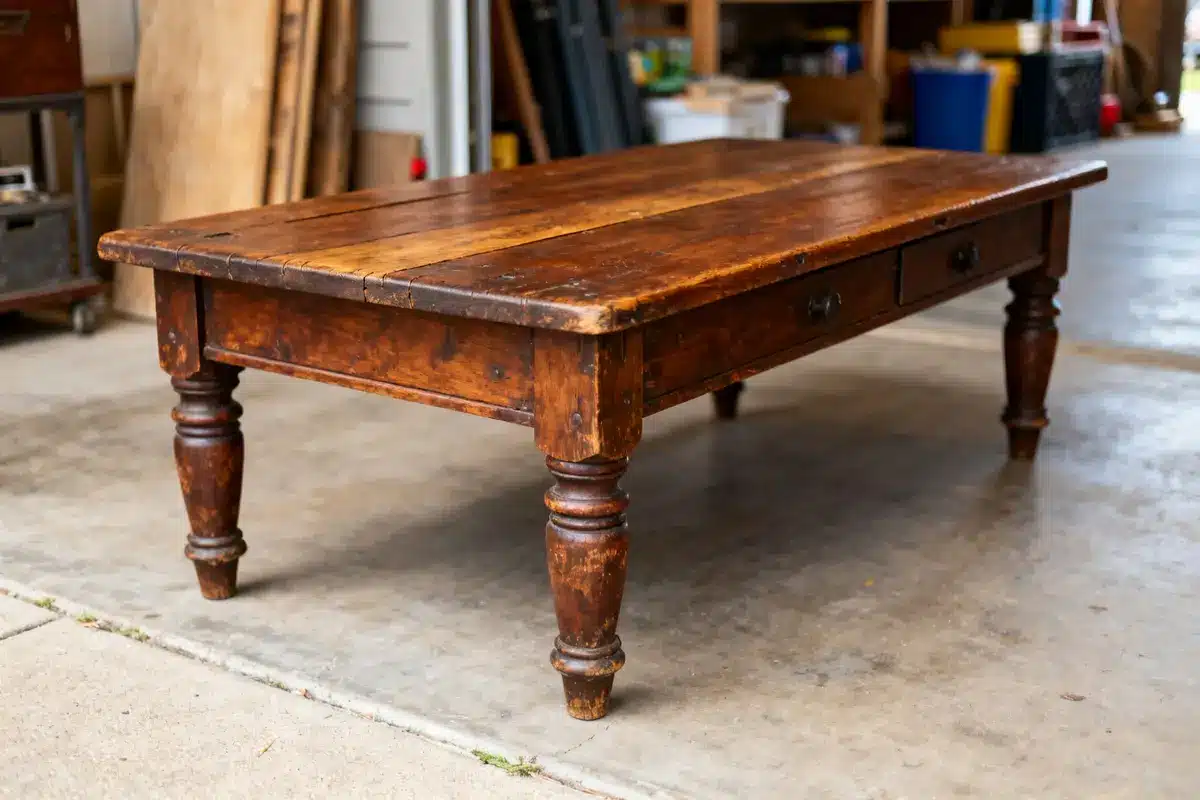
Popular vintage styles include Art Deco with its bold geometric forms, the warm simplicity of Danish Modern, and rustic farmhouse tables with handcrafted charm. Each style offers a unique way to complement sofas, chairs, or beds, making the vintage end table a versatile accent for many interiors.
Vintage End Tables: Finishes and Materials
Teak, Walnut, Glass, Lucite
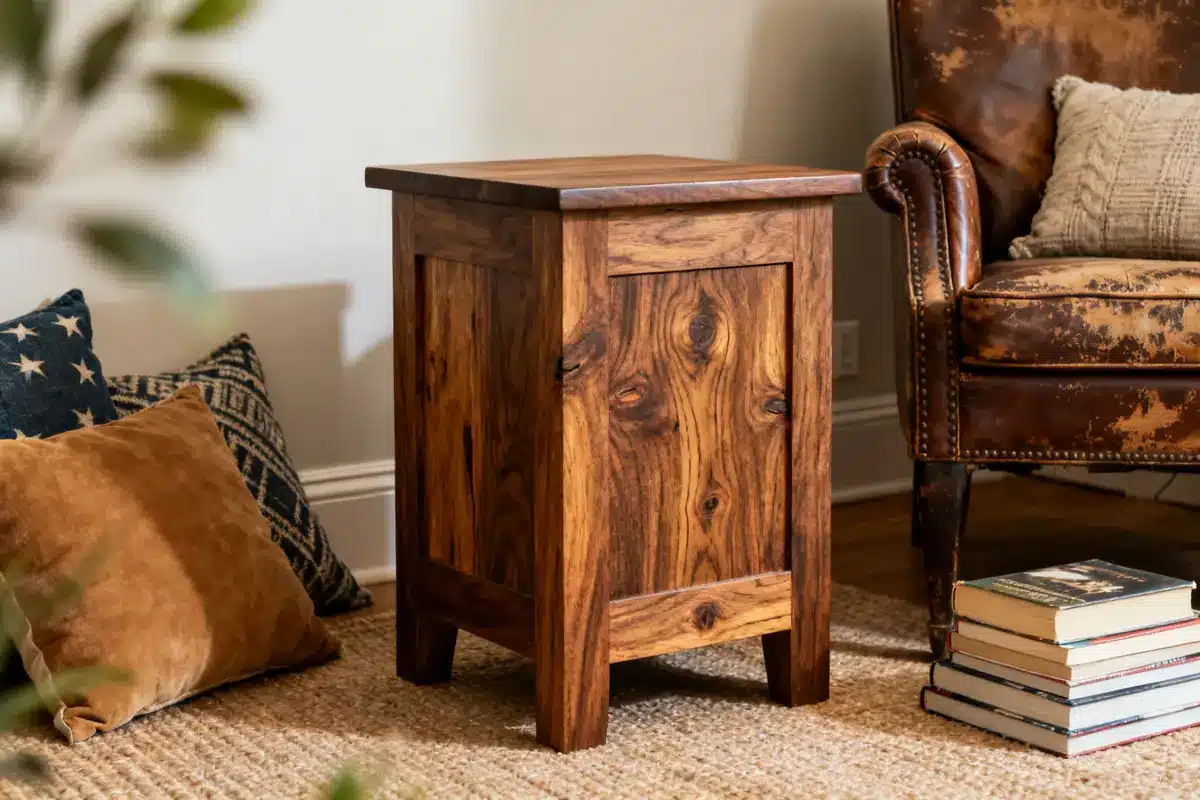
Common materials for authentic vintage end tables include teak and walnut, prized for their durability and rich grains. Typically, vintage teak or walnut wood thickness ranges between ¾ inch to 1 inch, a detail buyers should note when checking for authenticity and long-lasting craftsmanship.
Glass-topped tables often combine modern materials with vintage aesthetics. Lucite bases introduce a sleek, transparent look that enhances light flow and creates an airy feeling, making it a favorite for smaller rooms or those needing a contemporary touch.
The finish significantly impacts the vibe: teak generally has a warm, golden hue with a satin finish, while walnut offers darker, chocolatey tones often polished to a smooth luster. Vintage tables with glass or Lucite finishes blend mid-20th-century innovation and timeless elegance.
Authenticity and Craftsmanship
Authentic vintage end tables feature meticulous craftsmanship, visible in the precision of joinery and the quality of finishes. Attention to details like dovetail joints or hand-rubbed wood surfaces indicates genuine handmade pieces rather than factory reproductions.
Most vintage pieces stand out because of their character marks, such as subtle wear or patina developing over decades. These elements add value and distinguish authentic vintage furniture within the collector’s market.
Mid-Century and Danish Modern End Tables
Mid-Century Modern and Danish Modern end tables remain some of the most sought-after vintage pieces today. Characterized by clean lines, functional design, and organic curves, these styles celebrate simplicity with an emphasis on natural materials.
Danish Modern tables often exhibit light wood tones and sculptural legs, while Mid-Century tables showcase walnut or teak with minimal ornamentation. Both styles embrace utility without sacrificing aesthetic appeal, ideal for those who appreciate elegant but practical furnishings.
These tables seamlessly integrate into contemporary interiors by providing warmth and timeless style, often serving as statement pieces or subtle complements depending on their design.
Author’s Note
“When selecting vintage end tables, prioritize well-maintained pieces with authentic wood thickness and craftsmanship to ensure both beauty and durability over time.”
How to Choose End Tables for Your Space
Consider Height and Scale
Choosing the right size for vintage end tables depends heavily on the height and scale relative to your furniture. Generally, end tables should measure between 22 to 30 inches high, which aligns well with typical sofa seats ranging from 18 to 20 inches for ergonomic placement.
Proper scale prevents awkward visual gaps or blocks sight lines. Keep in mind the proportions — oversized tables can overwhelm cozier spaces, while smaller tables might feel lost in larger rooms.
Storage Options and Traffic Flow
Deciding on storage is vital when integrating vintage end tables. Look for drawers or shelves if you want to keep remotes, magazines, or essentials nearby without clutter.
Also, consider traffic flow in your room. Tables placed too close to seating or pathways may hinder movement. Leave enough clearance for walking and ensure the table serves its function without being in the way.
🧮 Vintage End Tables Size Calculator
Estimate ideal vintage end table height based on your sofa seat height for ergonomic placement.
Styling Tips for End Tables
Styling vintage end tables can transform your room’s atmosphere instantly. Balance is essential when arranging items on top — avoid overcrowding with too many accessories.
Try grouping a lamp, a small plant, and a stack of books for a cozy yet uncluttered look. Combining different textures, like metal coasters or ceramic vases, enhances visual interest.
To highlight the vintage charm, leave some space to appreciate natural wood finishes or glass surfaces. Rotating your styling seasonally keeps the vibe fresh while showcasing your collection.
Where to Buy Vintage End Tables
Finding quality vintage end tables requires patience and research. Trusted spots include antique shops, estate sales, vintage furniture stores, and curated online marketplaces. Each source offers a distinct experience and pricing.
Expect authentic mid-century vintage end tables to fall within a price range of $150 to $500, depending on rarity, condition, and maker. This information helps set realistic expectations and avoid inflated costs.
When shopping, always inspect for wear consistent with age and confirm the integrity of materials and finishes. Some sellers provide helpful provenance or restoration details, valuable for assessing value and authenticity.
FAQ: vintage end tables
Are old side tables worth anything?
Old side tables can be worth something, especially if they are authentic vintage pieces with quality craftsmanship, unique style, or brand recognition. Condition, rarity, and materials also affect their value in the collector and furniture market.
What end tables are in style now?
End tables in style now include vintage Mid-Century Modern and Danish Modern designs featuring clean lines, natural wood, and functional shapes. Glass and Lucite materials are popular for adding a contemporary touch to vintage aesthetics.
What makes a vintage table valuable?
A vintage table’s value comes from its authenticity, craftsmanship, quality materials, and style rarity. Details like hand-rubbed finishes, dovetail joints, and original wood thickness increase worth. Condition and provenance also play important roles.
How to identify a vintage table?
To identify a vintage table, check for details like solid wood construction, authentic thickness (¾ to 1 inch), handcrafted joinery, aged patina, and wear consistent with age. Provenance or maker marks can also confirm vintage status.
What materials are commonly used in vintage end tables?
Common materials in vintage end tables are teak and walnut wood, valued for durability and beautiful grain. Glass tops and Lucite bases also appear, blending mid-century innovation with classic elegance for unique vintage styles.
How do I choose the right height for a vintage end table?
Choosing the right height for a vintage end table means considering your sofa’s seat height. Ideally, tables range from 22 to 30 inches high, generally about 4 inches taller than the seat, to allow ergonomic and visually balanced placement.

Damian is an inquisitive writer with a passion for exploring diverse subjects. He loves sharing fresh perspectives, inspiring curiosity, and sparking meaningful conversations. For him, every topic is an opportunity to learn, connect, and uncover new ideas.