Key takeaways:
Understanding non-destructive cleaning methods is vital when learning how to clean antique coins, as harsh chemicals reduce value by up to 50 percent. Using soap and distilled water prevents corrosion caused by chlorine in tap water, while soft brushes help remove dirt without damaging patina. Avoiding abrasives and acids maintains the coin’s original finish and collector grade.
Have you ever considered that cleaning your antique coins might do more harm than good? Many collectors face the dilemma of preserving delicate surfaces without losing historical detail or lowering the coin’s market value. With proper handling and storage techniques, the risks associated with cleaning can be significantly minimized. By learning safe methods and recognizing hazardous approaches, you enhance your ability to protect your collection and maintain its authenticity over time with well-informed care.
How to Clean Antique Coins: Safe Methods and Pitfalls
Non-destructive Cleaning: Soap and Distilled Water
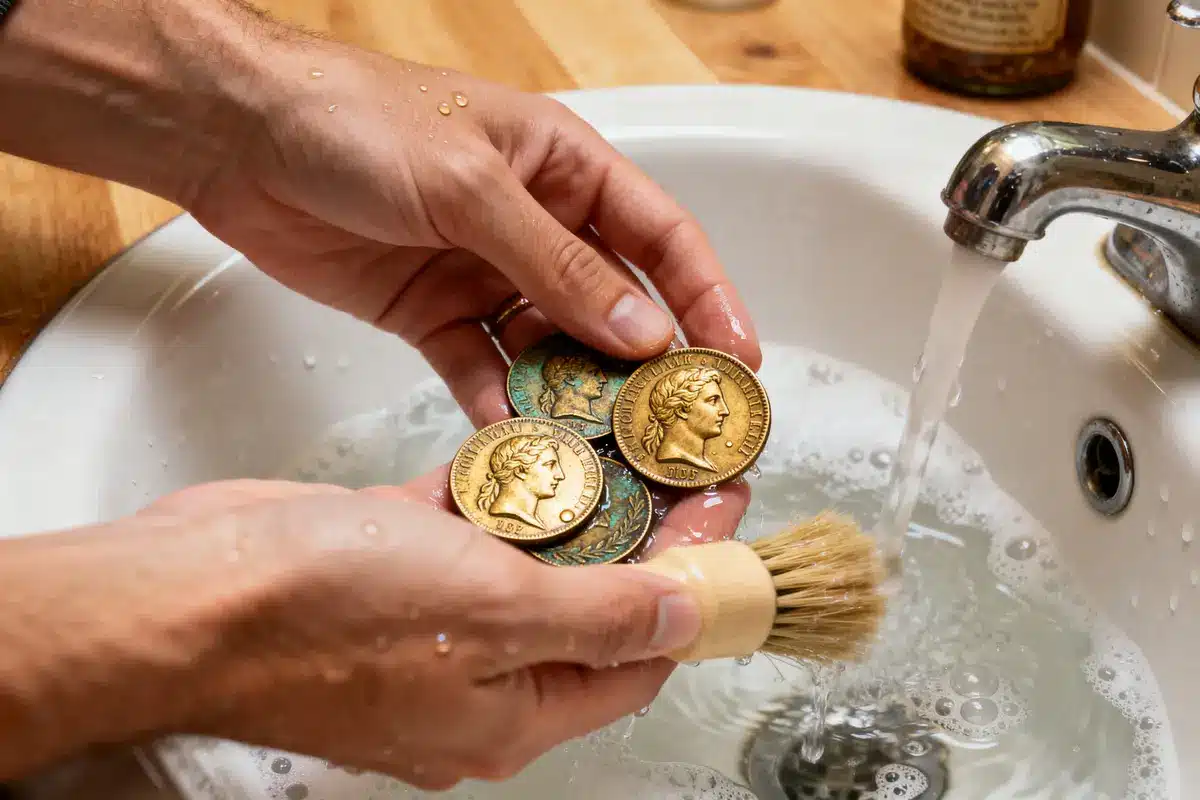
One of the safest ways to clean antique coins is by using a mild soap mixed with distilled water. Distilled water is preferred over tap water because it contains no chlorine or minerals that might cause discoloration or corrosion on the coin’s surface. Tap water typically contains about 0.5 to 3.0 parts per million of chlorine, which can accelerate tarnishing, especially on copper or silver coins.
Gently washing coins with a soft brush dipped in this solution can remove surface dirt and grease without harming the coin’s original patina or metal integrity. After cleaning, always rinse coins with fresh distilled water to remove any soap residue. Let coins air dry or gently blot them with a soft, lint-free towel. Avoid rubbing to keep from scratching the surface.
Gently Removing Dirt Without Scratching
When you clean antique coins, always prioritize non-destructive methods. Use a soft-bristle brush such as a toothbrush with fine, soft nylon bristles. This helps loosen dirt in crevices without scratching the metal. Never apply pressure; instead, allow the brush to do the work lightly.
If dirt is caked on, soaking the coin in distilled water for several hours can help loosen debris. For heavily encrusted coins, collectors sometimes soak them in olive oil for several months. Olive oil dissolves crust gently without damaging the surface or the underlying metal.
What to Avoid: Abrasives, Acids, and Harsh Chemicals
Avoid abrasive cleaning agents like baking soda, metal polish, or even pencil erasers. These can create micro-scratches known as hairlines that damage the coin’s details and significantly lower its grade. Acidic solutions and harsh chemicals, including commercial metal cleaners or acetone-based solvents, strip away metal and original luster.
Acetone itself is flammable and poses a fire hazard during cleaning. Fingernail polish removers often contain additional chemicals that can harm delicate coins. Stay far from ultrasonic cleaners unless operated by experts, as these can eat away a coin’s surface if any acids or improper solutions are present.
Why Cleaning Often Reduces Coin Value
Cleaning usually reduces a coin’s value because it removes or alters the original finish or patina that collectors prize. The patina is a natural film formed over time that can tell the coin’s story and prove authenticity. When cleaning damages that surface, a coin’s grade and rarity appeal suffer.
Harsh cleaning can reduce a coin’s value by up to 50 percent or more. Polishing, especially, strips away the metal’s natural sheen and replaces it with an unnaturally bright shine that experts and grading services mark down severely. Many coins cleaned aggressively are labeled as “improperly cleaned” by professional grading companies, further decreasing their market appeal.
In some cases, cleaning might help restore an extensively corroded coin, but those examples are rare and best left to professionals. Typical collectors looking to learn how to clean antique coins should avoid altering original surfaces.
Author’s Note
“Preserving the original surface and patina is the single best way to maintain and protect the historical and monetary value of antique coins.”
Safe Handling and Storage to Preserve Value
Proper handling and storage can protect your coins more effectively than cleaning. Always use soft cotton gloves when touching your coins to prevent oils and acids from your skin causing corrosion. Hold coins by their edges, never touching the faces.
Inspect coins regularly using a magnifying glass to check for unnoticed scratches or dirt buildup. Conduct inspections both before and after any cleaning attempts to assess condition changes. Experts recommend at least monthly inspections for valuable coins.
Store coins in acid-free holders, plastic capsules free of polyvinyl chloride (PVC), or specially designed coin albums. PVC releases chemicals over time that coat coins with a sticky green residue, harming the surface. Maintain storage environments with stable temperature and low humidity to avoid metal discoloration.
Key tips for coin storage:
- Keep coins in a cool, dry place, away from direct sunlight
- Use soft padding or holders to avoid impact damage
- Do not expose coins to rapid temperature changes or moisture
Historical Views and Modern Consensus on Cleaning
Historically, cleaning coins was common with the belief that shinier coins were more valuable. In the 1800s and early 1900s, collectors used abrasives like pencil erasers and metal polishes to achieve a brilliant look. Coin boards and ads even recommended cleaning methods involving vinegar or cyanide dips.
Since the introduction of third-party grading systems in the 1980s, there’s been a strong shift against cleaning. Graders now penalize coins with signs of cleaning, recognizing that original patina and surfaces are more valuable. The numismatic community largely agrees that safer, less invasive care is better for coin longevity.
Cleaning might be acceptable on common, low-grade coins for personal enjoyment, but graded or historically important pieces should not be cleaned by amateurs. Preserving natural toning and texture helps maintain authenticity and collector value.
When to Seek Professional Help and Documentation
If your coin is potentially valuable, rare, or heavily damaged, always seek professional help. Coin conservators use specialized techniques and chemicals safe for particular metals and finishes. They document the coin’s pre- and post-cleaning condition using photography and reports for provenance.
Cleaning certificates or professional grading with cleaning remarks can support resale transparency. Avoid using over-the-counter products without expert advice, as improper cleaning destroys value.
Professional care is especially critical for copper alloys, uncirculated, or proof coins where surface preservation is paramount. Otherwise, leave valuable coins in their current condition and focus on proper storage and handling.
🛠️ Calculator for How to Clean Antique Coins
Estimate the risk level and cleaning duration based on your coin’s condition and chosen cleaning method.
FAQ: how to clean antique coins
Should vintage coins be cleaned?
Vintage coins should generally not be cleaned because cleaning can remove the original patina and damage the coin’s surface, reducing its value. Only clean coins if absolutely necessary and preferably with professional help for valuable pieces.
What is the best thing to clean old coins with?
The best way to clean old coins is using mild soap mixed with distilled water and a soft-bristle brush for gentle cleaning. Avoid harsh chemicals or abrasives to preserve the coin’s original finish and prevent damage.
What do coin dealers use to clean coins?
Coin dealers usually use mild soap and distilled water, soft brushes, or professional conservation methods. They avoid abrasive or acidic cleaners to protect a coin’s surface and maintain value.
How do you clean ancient coins without damaging them?
To clean ancient coins without damage, soak them in distilled water to loosen dirt and use a soft-bristle brush gently. For heavy encrustation, long soaking in olive oil may be used. Avoid harsh chemicals or abrasive tools.
Why does cleaning often reduce coin value?
Cleaning often reduces coin value because it removes the natural patina and original surfaces collectors seek. Aggressive cleaning can cause micro-scratches and unnatural shine, lowering the coin’s grade and market appeal.
When should you seek professional help for cleaning coins?
You should seek professional help for cleaning coins if they are valuable, rare, or heavily damaged. Experts use safe, specialized techniques and document the process to preserve the coin’s condition and market value.

Damian is an inquisitive writer with a passion for exploring diverse subjects. He loves sharing fresh perspectives, inspiring curiosity, and sparking meaningful conversations. For him, every topic is an opportunity to learn, connect, and uncover new ideas.