Key takeaways:
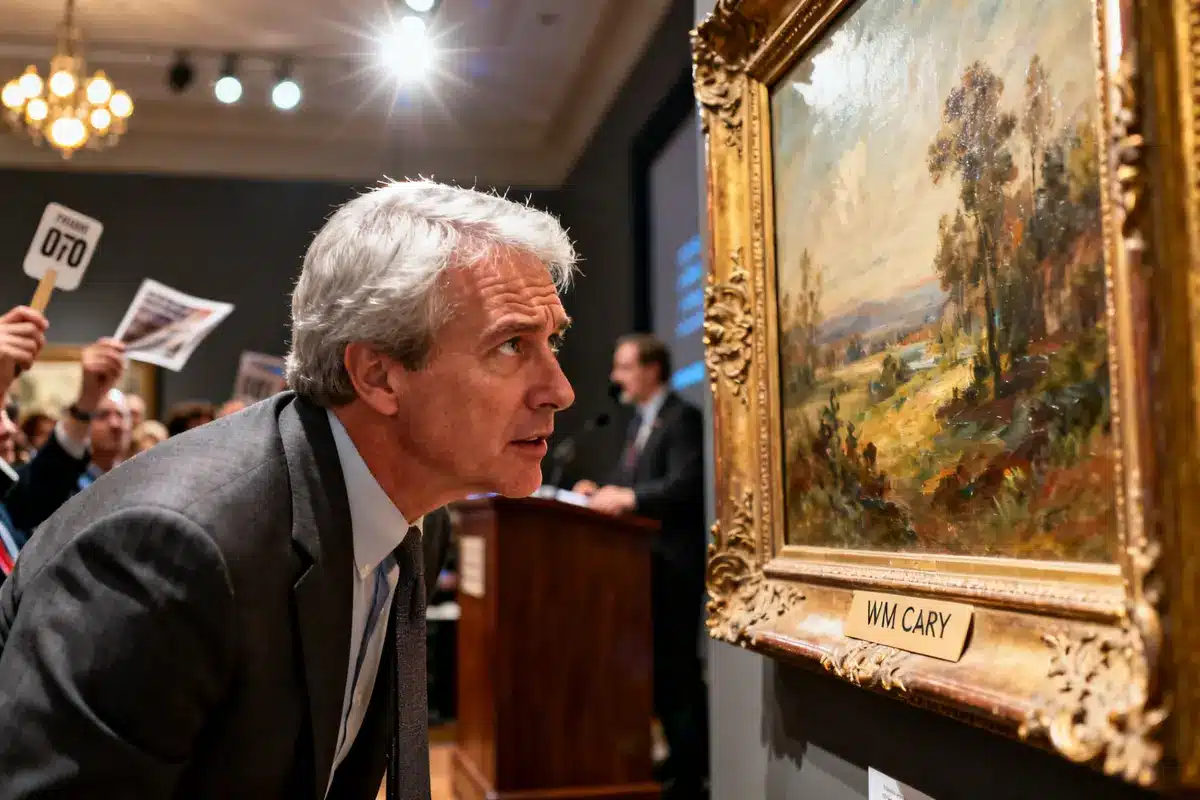
The market for wm cary paintings consistently sees strong demand, with auction results frequently ranging between $20,000 and $75,000. Esteemed auction houses such as Sotheby’s and Christie’s regularly feature Cary’s works, highlighting their ongoing relevance. Collector interest in his distinct portrayal of Western and historical American art remains resilient, supported by stable price growth and liquidity.
What drives the value of wm cary artworks extends beyond mere aesthetics into the nuanced domain of historical significance and auction dynamics. The increasing appetite among collectors and dealers reflects a broader revival of interest in authentic Western and Americana art, where provenance and condition critically influence worth. Understanding the role of buyer premiums and auction house specialties enhances investment strategies when acquiring pieces. Mastering these factors empowers collectors to navigate the market with confidence and identify works with lasting significance and value.
Wm Cary: Market Overview of Masterpieces
The market for wm cary paintings remains vibrant, fueled by growing collector interest in Western and historical American art. As Cary’s works capture significant moments and figures of the late 19th and early 20th centuries, demand has increased steadily, with auction houses like Sotheby’s and Christie’s regularly featuring his pieces. Cary’s market value has shown resilience, often achieving competitive prices thanks to his masterful depiction of frontier life.
Collectors appreciate the unique blend of realism and romanticism in Cary’s art, particularly in his portrayals of Native American subjects and dramatic landscapes. Over the past decade, the rising appreciation for authentic American Western art has boosted Cary’s profile among mid to high-tier buyers. The market behavior suggests stable price growth and liquidity, especially for works with well-documented provenance and excellent condition.
Cary’s Signature Subjects and Styles
Wm cary’s artistic style is defined by his precise yet expressive approach to scenes of the American frontier, Native American life, and key historical events. His preferred mediums were oil on canvas and watercolor, with canvas sizes typically ranging from 18 by 24 inches to larger 36 by 48-inch formats, suitable for his sweeping landscapes and dynamic action scenes.
Cary’s palette favored naturalistic tones that bring out the rugged outdoors and the emotional intensity of his subjects. His brushwork balances detailed realism with emotive strokes, particularly in figures and animal subjects. Cary’s compositions often include dynamic movement alongside quiet moments of reflection, creating a distinctive narrative flow across his canvases.
Typical Cary artworks include depictions of Native American scouts, buffalo hunts, and historic Western encounters. His paintings are prized for their atmospheric depth, combining light and shadow expertly to dramatize the untamed American West. His use of oil produces vibrant, lasting colors, while his watercolors capture subtler moods in smaller, intimate studies.
Notable Works by wm cary: Masterpieces & Auctions
Iconic Frontier Scenes
Among Cary’s most celebrated works are his frontier scenes depicting Native American encampments, mountain landscapes, and pioneer life. These paintings provide an immersive window into the Wild West era, often featuring detailed depictions of teepees, horses, and natural settings.
Paintings such as “Meeting on the Plains” and “Mountainous Western Landscape” exemplify his skill at portraying vast, open spaces with meticulous detail. These iconic scenes consistently attract the attention of museums and collectors alike.
Buffalo Hunt and Scout Motifs
Cary’s buffalo hunt and Indian scout motifs are vital to understanding his artistic focus. Works like “The Buffalo Signal” and “After the Buffalo Hunt” showcase his ability to capture drama and tension. His scouts often appear vigilant and poised, blending the narrative of survival with cultural depiction.
The dynamic composition of these pieces, combined with energetic brushwork and naturalistic animal portrayals, emphasize Cary’s mastery in illustrating motion and intensity. These works frequently emerge at major auctions and see strong bidding competition due to their cultural significance.
Roosevelt Portraits and Historical Commissions
Cary’s notable historical commissions include portraits of Theodore Roosevelt and scenes involving the Rough Riders. These works carry high historic and collectible value because of their association with major American figures and events.
Paintings capturing Roosevelt’s leadership and military exploits maintain particular prestige. When available at auction, these portraits command premium prices and attract collectors specialized in political and military Americana.
Author’s Note
“For collectors, understanding the interplay between Cary’s subject focus and the historical context is key to appreciating not just his art but its lasting market strength.”
How to Value and Authenticate Cary Paintings
Assessing Condition and Restorations
Condition is paramount when valuing wm cary paintings. Collectors and dealers look for works with minimal wear, original varnish, and intact canvas or paper. Signs of restoration must be carefully evaluated, as overpainting, relining, or patching can affect value negatively if not expertly done.
Professional conservators’ reports help identify the extent and quality of any restoration. Paintings retaining their original brushwork and surface integrity generally achieve higher prices, as collector confidence in authenticity and preservation is stronger.
Provenance Documentation and Certificates
Provenance is crucial for Cary artworks, especially since his pieces often circulate in Western, historical, and Americana art markets. Clear ownership history, exhibition records, or inclusion in notable catalogues raisonnés increases a painting’s authenticity and appeal.
Certificates of authenticity issued by recognized experts or galleries solidify buyer trust. Provenance can also include prior auction records or museum exhibitions, which elevate a piece’s profile and market value.
Auction Records and Price Guides
The last five years have seen Cary’s paintings regularly selling at key venues like Sotheby’s, Christie’s, and regional Western-focused auction houses. Average hammer prices for prominent works have ranged between $20,000 and $75,000, with exceptional pieces surpassing six figures.
Price guides, now incorporating recent auction data, assist collectors in gauging fair market values. These updated records help pinpoint trending subjects or periods within Cary’s oeuvre that yield higher returns. Buyers should consult multiple sources, including auction archives and online databases, for the most accurate pricing insights.
🧮 Wm Cary Painting Value Estimator
Estimate your Cary artwork’s auction value based on size, condition, and subject.
Buying Guide: Auctions, Dealers, and Provenance Tips
When acquiring wm cary artworks, buyers should familiarize themselves with auction processes and dealer practices. Major auction houses handling Cary’s works typically charge buyer’s premiums between 15% and 22%, plus possible additional fees for online bidding or credit card payments.
Understanding these costs is essential to avoid surprises and gauge total investment. Reputable dealers provide clear provenance and condition reports, which help verify the authenticity and history of a piece before purchase.
Secure provenance plays a pivotal role in pricing and smooth resales. Buyers should ask for:
- Previous ownership history
- Certificates of authenticity from trusted authorities
- Exhibition or catalogue listings documenting the artwork
Whether purchasing at auction or through a private dealer, thorough due diligence is vital. Checking the auction house’s track record with Cary’s works and requesting condition photographs reduces risks. Buyers also benefit from established networks specializing in Western and historical American art for access to the best selections.
FAQ: wm cary
Who is William Cary GE Capital?
William Cary GE Capital refers to a former executive at GE Capital, the financial services unit of General Electric. This William Cary is unrelated to the artist known as Wm Cary. He is known for leadership roles in finance, not for painting or art.
Who was Sir William Carey?
Sir William Carey was an English missionary and colonist in India during the late 18th and early 19th centuries. He is not connected to Wm Cary the artist, as his life focused on religious work and linguistic contributions in India.
What are the typical subjects and styles of Wm Cary’s artwork?
The typical subjects and styles of Wm Cary’s artwork include precise yet expressive depictions of the American frontier, Native American life, and historical events. He used oil and watercolor with naturalistic tones, combining detailed realism and emotive brushwork to portray dynamic and quiet scenes.
What are notable works by Wm Cary?
Notable works by Wm Cary include iconic frontier scenes like “Meeting on the Plains,” buffalo hunt and Indian scout motifs such as “The Buffalo Signal,” and historical portraits of Theodore Roosevelt and Rough Riders, which hold high historical and collectible value.
How can one value and authenticate Wm Cary paintings?
Valuing and authenticating Wm Cary paintings involves assessing condition, restoration quality, and provenance documentation. Certificates of authenticity, professional conservators’ reports, and auction records play key roles in establishing authenticity and market value.
What should buyers know when purchasing Wm Cary artworks?
Buyers should understand auction fees, verify provenance and condition reports, and conduct thorough due diligence. Provenance including ownership history and certificates of authenticity ensures authenticity and smoother resale, especially via reputable dealers and auction houses.

Damian is an inquisitive writer with a passion for exploring diverse subjects. He loves sharing fresh perspectives, inspiring curiosity, and sparking meaningful conversations. For him, every topic is an opportunity to learn, connect, and uncover new ideas.