Discover why the Tulip Table Eero Saarinen remains one of the most sought-after furniture pieces nearly 70 years after its creation. This guide reveals the fascinating story behind its revolutionary single-pedestal design, explores how it naturally transforms any dining space, and shows you exactly what makes authentic versions worth thousands of dollars. Whether you’re decorating your first home or upgrading your dining room, understanding this iconic table’s history, materials, and variations will help you make the perfect choice for your space.
What contributes to the status of the Tulip Table Eero Saarinen as a design icon?
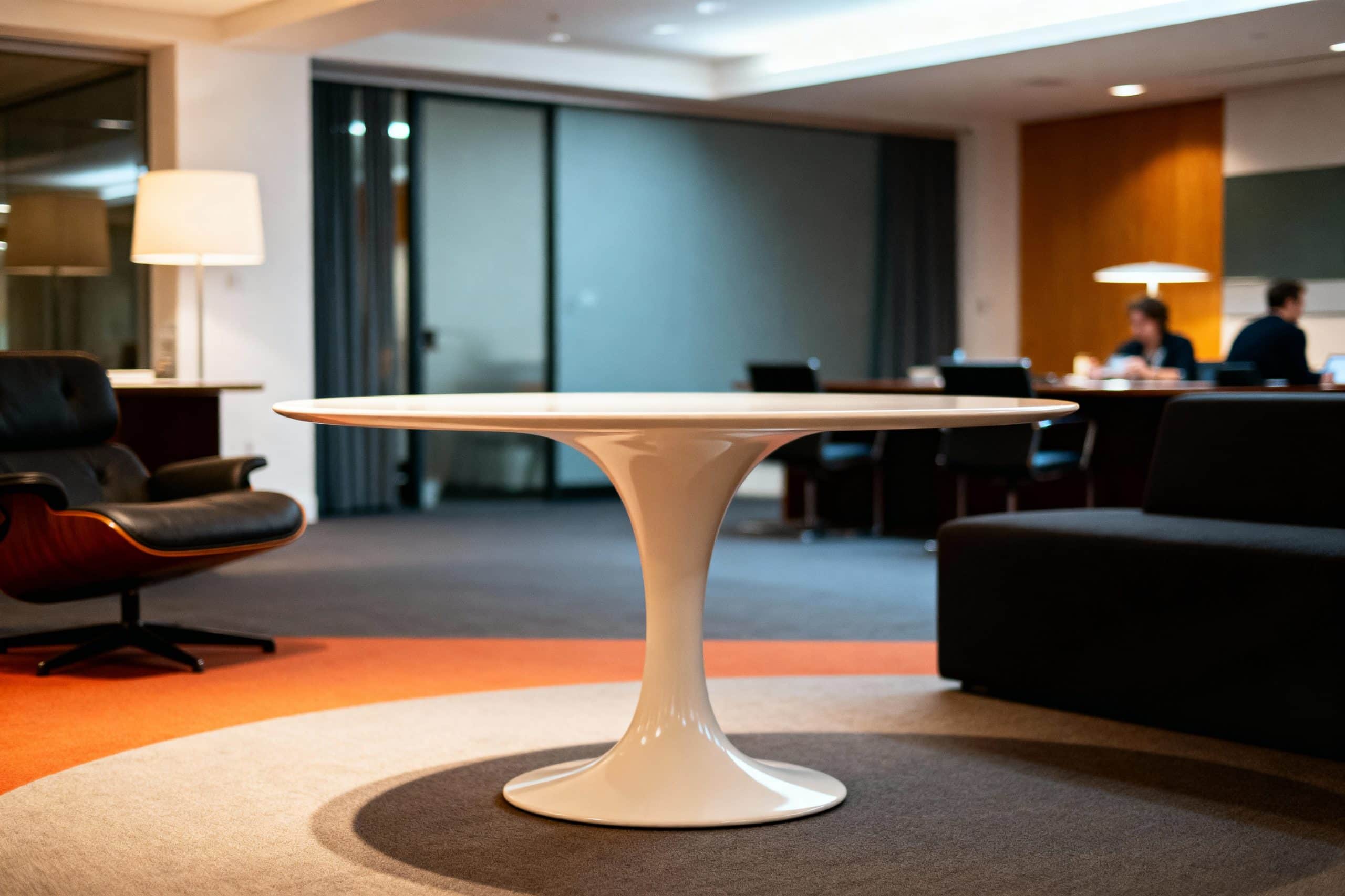
The Tulip Table Eero Saarinen has earned its iconic status through a combination of revolutionary design principles and lasting aesthetic appeal. This furniture piece breaks away from traditional four-legged tables by featuring a sleek, organic pedestal base that eliminates visual clutter while creating a sculptural statement.
What makes this table truly special is its ability to unify form and function in one seamless design. The Museum of Modern Art has recognized it among the most iconic furniture pieces of the 20th century, cementing its place in design history.
The table’s enduring popularity spans generations of homeowners and designers. Its clean lines work equally well in minimalist spaces and eclectic interiors, proving that good design transcends trends and time periods.
The history and evolution of the Tulip Table design
Created in 1956, the Tulip Table emerged from a clear vision to eliminate the chaos of furniture legs. The designer wanted to create a unified chair and table line that would bring order to cluttered dining spaces.
The original collaboration with Knoll marked a breakthrough in furniture manufacturing. These tables first hit the market with a retail price of around $500, which would equal approximately $4,800 in today’s money when adjusted for inflation.
Over the decades, this design has maintained its relevance while adapting to changing needs. The table’s continuous production since its debut speaks to its timeless appeal and practical functionality.
The innovative features of the Tulip Table Eero Saarinen
The most striking innovation lies in the pedestal base design that creates an uninterrupted flow from floor to tabletop. This single-stem support eliminates the need for traditional table legs, opening up space underneath and creating a floating appearance.
The sculptural quality of the base transforms a simple dining table into a piece of functional art. The smooth, curved silhouette draws the eye upward while providing stable support for the tabletop surface.
We particularly appreciate how this design addresses both aesthetic and practical concerns. Diners can sit comfortably around the table without worrying about bumping into legs or struggling to fit chairs underneath.
The impact of the Tulip Table on modern furniture design
This table fundamentally changed how designers approach furniture creation by proving that minimalist design could be both beautiful and functional. It pioneered the transition toward cleaner, more unified furniture pieces that integrate seamlessly into modern living spaces.
The influence extends far beyond dining rooms. Countless contemporary furniture pieces now feature similar pedestal bases, flowing lines, and emphasis on reducing visual clutter. The design language established here continues to inspire new generations of furniture creators.
Its presence in films, television shows, and museum exhibitions has helped cement its cultural significance. This widespread recognition has made the table a symbol of sophisticated design taste and Mid-Century Modern aesthetics.
Iconic materials and craftsmanship of the Tulip Table
The original construction used groundbreaking fiberglass-reinforced resin for the base, combining exceptional durability with smooth, refined aesthetics. This material choice was revolutionary for its time and contributed to the table’s distinctive appearance.
Tabletop options have evolved to include various materials that suit different preferences and budgets. We advise considering these popular choices:
- Carrara marble for luxury and natural beauty
- High-quality laminate for easy maintenance
- Wood veneer for warmth and texture
- Contemporary acrylic for modern appeal
The craftsmanship quality of original pieces remains exceptional, with vintage tables often commanding prices upwards of $10,000 at auctions. This value retention demonstrates the lasting quality and desirability of well-made versions.
How the Tulip Table fits into contemporary interiors
Modern homeowners love this table because it adapts beautifully to various interior styles without overwhelming the space. Its neutral profile allows other design elements to shine while providing a sophisticated focal point.
In open-plan living, the table’s streamlined design helps maintain visual flow between different areas. The lack of traditional legs means it doesn’t create barriers or break up sight lines across connected spaces.
We find it works particularly well in smaller dining areas where every square foot matters. The efficient use of space underneath the table makes rooms feel more open and less cluttered than traditional dining sets would.
Variations of the Tulip Table Eero Saarinen over the years
The Tulip Table Eero Saarinen has evolved into multiple configurations to meet diverse needs. Round versions remain the most popular, but rectangular and oval shapes have expanded the design’s versatility for different room layouts.
Size options now range from intimate two-person tables to large dining surfaces that seat eight or more people. This flexibility has made the design accessible to various living situations and family sizes.
Different heights have also emerged, including coffee table and side table versions that maintain the signature pedestal base while serving different functions throughout the home.
Notable collaborations and adaptations of the Tulip Table
Limited edition versions have featured luxury touches like Casamance fabric tops and special finishes that elevate the basic design concept. These collaborations demonstrate how the fundamental form can be enhanced while preserving its essential character.
Contemporary designers have created their own interpretations using sustainable materials and modern manufacturing techniques. These adaptations respect the original vision while addressing current environmental concerns and technological possibilities.
We recommend sticking with original designs or licensed reproductions from reputable manufacturers like Knoll for the best quality and authenticity. These authorized versions maintain the precise proportions and material quality that make the design so special.
FAQ
How can you tell a real Saarinen tulip table?
To tell a real Saarinen tulip table, check for the Knoll logo on the underside, which indicates authenticity. Additionally, authentic tables have a heavier, more durable build and a smooth finish, with a pedestal base that doesn’t wobble and has a consistent curve.
What is the history of Eero Saarinen tulip table?
The history of the Eero Saarinen tulip table dates back to 1956 when it was designed to eliminate the chaos of multiple table legs. Its collaboration with Knoll marked a significant milestone in furniture design, aiming for a streamlined and unified aesthetic.
What furniture did Eero Saarinen design?
Eero Saarinen designed various furniture pieces, including the iconic tulip chair and the Womb chair. His work primarily focused on modernist designs, renowned for their organic shapes and innovative materials, significantly influencing mid-20th-century furniture.
What is Saarinen’s most famous design?
Saarinen’s most famous design is arguably the tulip table, celebrated for its unique pedestal base that eliminates traditional legs. Its minimalist design has made it an enduring symbol of modernism and is considered one of the 20th century’s most iconic furniture pieces.
What are the specifications and sizes of the Saarinen Tulip Table?
The specifications of the Saarinen Tulip Table include various sizes with round tops ranging from approximately 36 inches to 72 inches. It is available in different shapes, including circular, oval, and rectangular variations to suit diverse dining space requirements.
What materials are available for the Saarinen Tulip Table tabletop?
The Saarinen Tulip Table tabletop options include Carrara marble for elegance, wood veneer for warmth, high-quality laminate for easy maintenance, and contemporary acrylic for a modern touch. These materials allow customization based on style and functionality.
How does the Tulip Table fit into contemporary interiors?
The Tulip Table fits into contemporary interiors by adapting seamlessly to various design styles. Its streamlined, pedestal design enhances visual flow, especially in open-plan spaces, making it ideal for modern homes while maintaining an elegant aesthetic.

Damian is an inquisitive writer with a passion for exploring diverse subjects. He loves sharing fresh perspectives, inspiring curiosity, and sparking meaningful conversations. For him, every topic is an opportunity to learn, connect, and uncover new ideas.