
Dark oak furniture can overwhelm your space, but you don’t need expensive tools or harsh chemicals to brighten it up. This guide reveals proven techniques for how to lighten oak furniture without sanding naturally, using safe household items and gentle methods that protect your wood’s beautiful grain patterns while achieving dramatic color changes in just days.
How can you lighten oak furniture without sanding or stripping?
You can lighten oak furniture without traditional sanding or stripping by using several gentle methods that preserve the wood’s natural grain. How to lighten oak furniture without sanding involves chemical bleaching agents, whitewashing techniques, or natural solutions like diluted vinegar and hydrogen peroxide. These approaches avoid the damage that aggressive sanding can cause to oak’s beautiful texture.
Chemical wood bleaches containing oxalic acid offer the most reliable results for darkened oak pieces. Natural alternatives work more gradually but provide safer options for antique or delicate furniture. The key lies in selecting the right method based on your furniture’s condition and desired outcome.
Understanding the natural characteristics of oak furniture
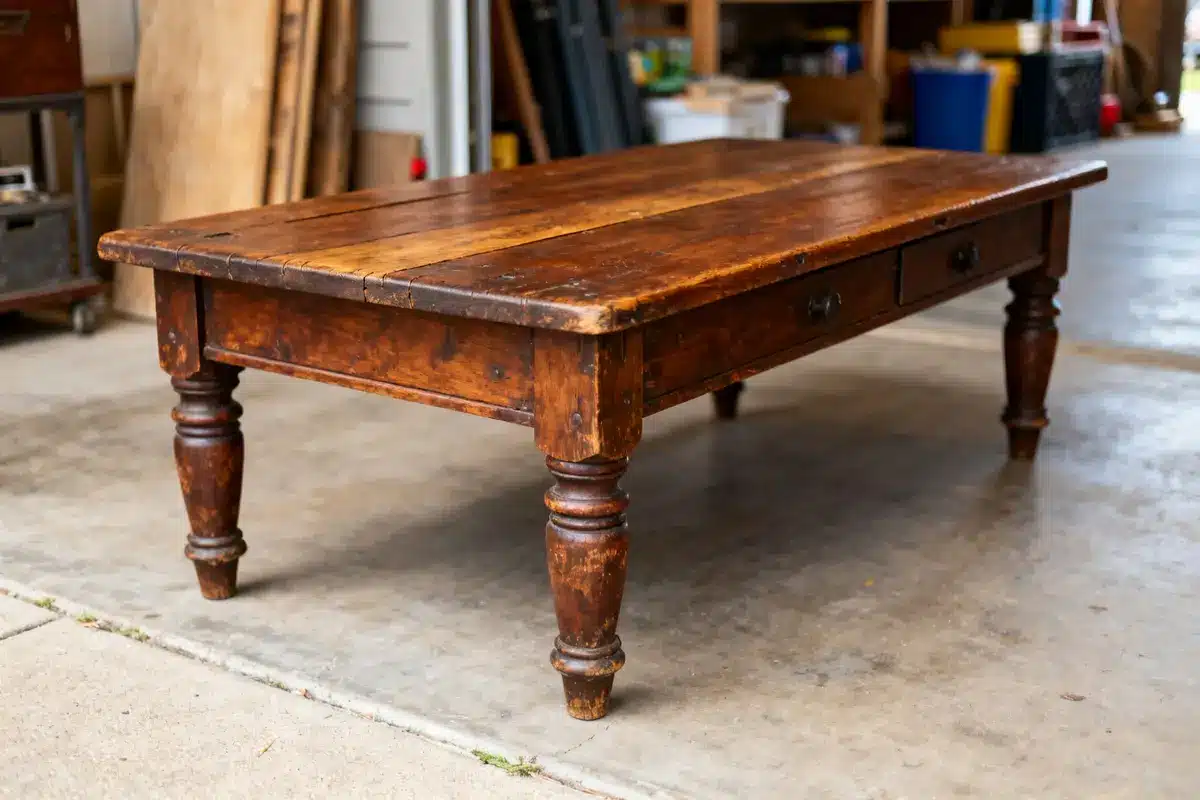
Oak contains high levels of tannins, which give the wood its characteristic rich, deep color. These natural compounds react with light, air, and moisture over time, causing oak furniture to darken significantly. This darkening process explains why vintage oak pieces often appear almost black compared to freshly cut oak lumber.
The dense grain structure of oak makes it particularly challenging to lighten using surface treatments alone. Traditional sanding removes these tannin-rich surface layers but risks damaging the intricate grain patterns that make oak furniture so valuable. Understanding this helps explain why chemical and natural lightening methods work better than mechanical removal.
Oak’s porosity varies between red oak and white oak varieties. Red oak has more open pores that readily accept lightening treatments, while white oak’s tighter grain requires longer treatment times for noticeable results.
How to lighten oak furniture without sanding
Using chemical lightenings for oak
Chemical wood bleaches specifically formulated for hardwoods provide the most dramatic lightening results. Products like Minwax Wood Bleach or RIT Dye’s wood bleach contain oxalic acid that neutralizes tannins without damaging the wood structure. These professional-grade solutions can lighten oak by 2-3 shades when applied correctly.
Before applying any chemical bleach, test it on a hidden area of your furniture. We recommend starting with a small section underneath or on the back panel. Mix the two-part bleaching system according to manufacturer directions, typically combining equal parts of solutions A and B.
Apply the mixture using a synthetic brush, working in the direction of the wood grain. Allow the bleach to work for 4-6 hours before neutralizing with a vinegar solution. The wood will appear lighter once dry, though multiple applications may be needed for heavily darkened pieces.
Applying a whitewash technique for a lighter finish
Whitewashing creates a translucent finish that allows oak’s natural grain to show through while significantly lightening the overall appearance. Mix water-based white paint with a bonding primer like Zinsser Bulls Eye 1-2-3 in a 1:1 ratio for the perfect consistency.
Clean your oak furniture thoroughly with degreasing cleaner before application. Apply the whitewash mixture with a clean cloth, working small sections at a time. Wipe excess material immediately to prevent streaking while maintaining the desired opacity level.
The beauty of whitewashing lies in its forgiving nature. You can build up coverage gradually, adding more coats until you achieve the perfect lightness. This technique works especially well on rustic or farmhouse-style oak pieces.
Natural methods to lighten oak furniture
Natural lightening methods offer safer alternatives for valuable antique pieces or when working in poorly ventilated spaces. Diluted white vinegar reacts gently with oak’s tannins, creating subtle lightening over multiple applications. Mix one part white vinegar with three parts water for a mild solution that won’t damage the wood.
Apply the vinegar solution using a clean cloth, allowing it to penetrate the wood for 10-15 minutes before wiping clean. Repeat this process weekly until you notice gradual lightening. While slower than chemical methods, vinegar treatments cost only $5-$15 and pose minimal risk to your furniture.
Hydrogen peroxide offers another natural bleaching option. Use a 3-5% solution applied carefully with a brush, focusing on the darkest areas first. The peroxide breaks down tannin compounds without harsh chemicals, though overuse can weaken the wood’s surface integrity.
- Test hydrogen peroxide on hidden areas first
- Apply in thin, even coats to prevent wood damage
- Allow 24 hours drying time between applications
- Neutralize with clean water after each treatment
Maintenance tips for lightened oak furniture
Preserving your newly lightened oak requires proper sealing and ongoing care. We advise applying a clear polyurethane finish like Minwax Polycrylic or Varathane Water-Based Polyurethane after completing the lightening process. These protective coatings prevent the wood from re-darkening while maintaining the lighter appearance.
Regular cleaning with light-colored waxes enhances the brightened look over time. Beeswax or clear polycrylic finishes work better than traditional dark furniture waxes that can gradually darken the wood again. Apply these maintenance products every 3-4 months for optimal protection.
Avoid placing lightened oak furniture in direct sunlight, which can cause uneven color changes. UV-protective window films help maintain consistent coloring throughout the piece. Keep humidity levels between 30-50% to prevent cracking or warping of the treated wood.
DIY alternatives to professional restoration services
DIY lightening projects offer significant cost savings compared to professional restoration services. How to lighten oak furniture without sanding using natural methods typically costs $10-$25 per piece, while professional refinishing can cost $200-$500 depending on furniture size and complexity.
Safety equipment remains crucial for DIY projects, especially when using chemical bleaches. Wear protective gloves, safety glasses, and work in well-ventilated areas. Keep neutralizing agents like vinegar or baking soda nearby in case of skin contact or spills.
When DIY methods don’t achieve desired results, consult professional restoration services rather than risk damaging valuable pieces. Antique oak furniture often requires specialized knowledge to preserve its historical value while achieving the lighter finish you want.
| Method | Cost | Time Required | Results |
|---|---|---|---|
| Chemical Bleach | $15-$25 | 1-2 days | 2-3 shades lighter |
| Natural Methods | $5-$15 | 2-4 weeks | 1-2 shades lighter |
| Professional Service | $200-$500 | 1-2 weeks | Custom results |
FAQ
How do you lighten oak furniture?
To lighten oak furniture, you can use chemical bleaches like Minwax Wood Bleach, which lighten the wood by 2-3 shades while preserving its grain. Alternatives include whitewashing with diluted paint or natural methods like applying diluted vinegar or hydrogen peroxide for subtle lightening.
How to lighten wood without stripping?
You can lighten wood without stripping by using gentle chemicals like wood bleach, which neutralizes tannins without damaging the wood. Whitewashing or applying diluted solutions like vinegar or hydrogen peroxide are also effective methods that lighten the wood gradually.
How to make oak furniture less orange?
To make oak furniture less orange, consider using wood bleach that removes color while preserving the grain. Applying a whitewash or natural cleaning solutions can also tone down orange hues, creating a more neutral appearance without altering the wood’s texture.
How to lighten oak without bleach?
You can lighten oak without bleach by using natural methods such as applying a solution of diluted vinegar or hydrogen peroxide. These treatments gently react with tannins over time, providing subtle lightening without harsh chemicals, ensuring the wood remains intact.
Can you lighten oak furniture without sanding?
Yes, you can lighten oak furniture without sanding by using wood bleach products or implementing paint washes. These approaches effectively lighten the wood’s color while avoiding the risks associated with aggressive sanding, preserving the oak’s beautiful texture.
What are some non-sanding methods to lighten oak furniture?
Non-sanding methods to lighten oak furniture include using two-part wood bleach which neutralizes tannins, or applying a whitewash technique. You can also use diluted vinegar for a gentler, more gradual lightening effect that does not damage the wood.

Damian is an inquisitive writer with a passion for exploring diverse subjects. He loves sharing fresh perspectives, inspiring curiosity, and sparking meaningful conversations. For him, every topic is an opportunity to learn, connect, and uncover new ideas.