
Key takeaways:
Antique hall tree pricing hinges on original hardware and premium hardwoods like mahogany or oak. Condition and provenance can sway value by several hundred dollars or more, while pieces from the late 19th century command the highest demand among collectors. Restoration costs vary between $500 and $2,000, significantly affecting total investment.
How much is your antique hall tree really worth? The market for authentic hall trees fluctuates based on intricate details like wood type, craftsmanship, and condition, complicating straightforward valuation. Identifying styles such as Victorian or Eastlake requires understanding key historical and stylistic features that influence buyer interest and pricing. Assessing these factors alongside provenance helps ensure an informed approach to bidding and restoration decisions. Mastering these elements empowers collectors to maximize value and avoid costly errors.
Antique Hall Tree Value: Key Price Drivers
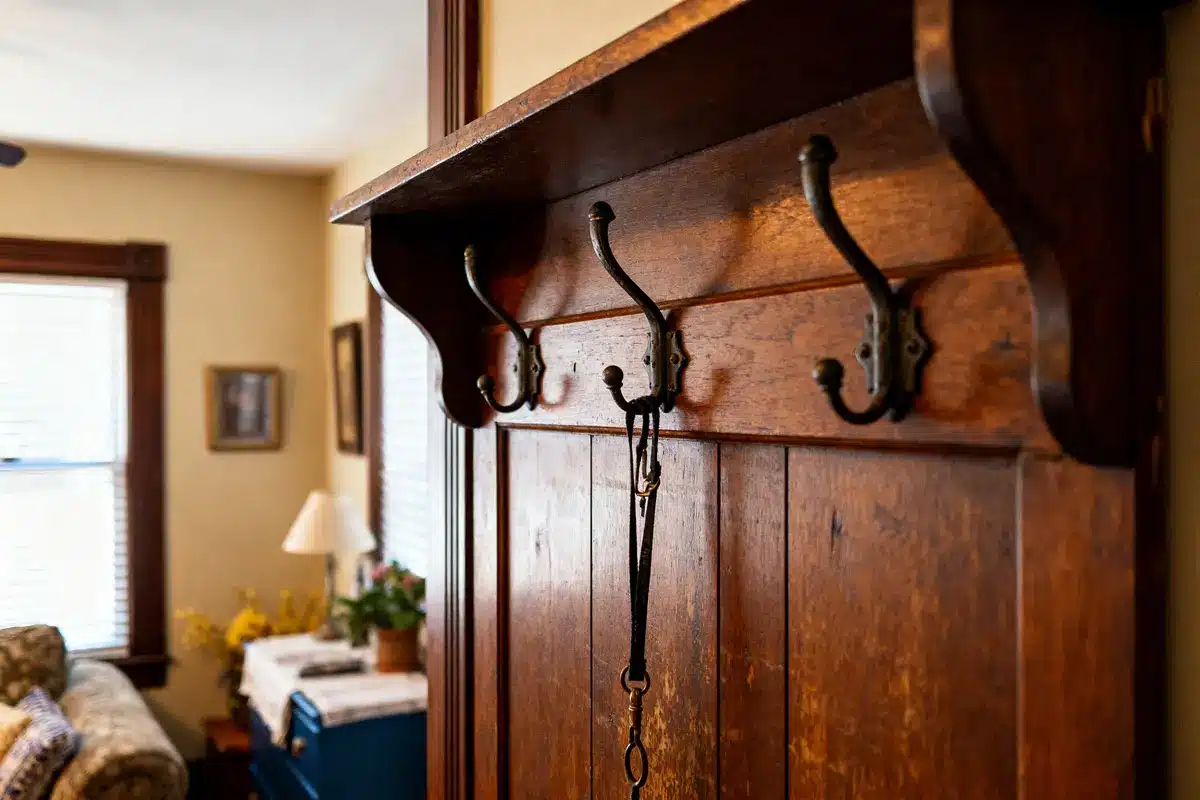
The value of an antique hall tree depends on several important factors that collectors and enthusiasts should understand. First, the age and rarity of the piece greatly impact price. Older hall trees from the late 19th century can command higher offers, especially if they come from well-known makers or workshops. The originality of hardware, such as hooks and umbrella stands, is often overlooked but plays a crucial role in value. Pieces with intact, original brass or iron hardware may be worth significantly more than those with replaced parts.
Wood type and craftsmanship also matter. Hall trees made from premium hardwoods like mahogany, walnut, or oak usually fetch better prices. Additionally, ornate carvings or inlays help elevate the piece’s desirability. Provenance, or documented history of ownership, can add another layer of value—collectors often pay extra for hall trees with a known background.
Condition is a key driver too. Even minor damages can lower worth, but a well-preserved piece with minimal restoration will attract higher bids. Lastly, market trends and demand for Victorian or Eastlake styles influence price fluctuations seasonally or nationwide.
Classic Styles of Antique Hall Tree Designs
Eastlake Hall Tree Styles
Eastlake hall trees are popular for their simple yet elegant look, often featuring geometric patterns and incised carving instead of deep, flowing scrollwork. These hall trees typically use oak, prized for its durability and distinctive grain. The use of incised carvings rather than heavy relief is a signature trait that helps to authenticate genuine Eastlake pieces.
Eastlake designs favored function combined with modest decoration, reflecting the late Victorian era’s move toward more sensible ornamentation. These hall trees often include built-in umbrella holders, beveled mirrors, and brass hooks. Their straightforward design makes them versatile in both traditional and modern interior settings. While the Eastlake style is less flamboyant than others, it’s valued for its charm and historic significance.
Renaissance Revival and Victorian Motifs
The Renaissance Revival style hall trees are known for rich ornamentation, heavy carving, and dramatic presence. These often feature extravagant motifs such as floral scrolls, grotesques, and Corinthian columns carved from walnut or mahogany. Victorian hall trees typically share similar ornate characteristics but lean toward the eclectic, often combining various stylistic elements.
Victorian hall trees might include intricate fretwork, finials, and cresting along the top. They are usually crafted from dark woods with a polished finish. Collectors prize these hall trees for their eye-catching artistry and grandeur. The style communicates wealth and status, making them a centerpiece in many grand hallways. These pieces offer a contrast to Eastlake’s restrained aesthetic.
Assessing Condition and Restoration Impact
When assessing an antique hall tree, condition is often the most challenging factor to quantify. Buyers should closely inspect the wood for cracks, warping, or insect damage. Original finishes may show signs of wear but often add character and value when intact. Restoration can improve functionality and appearance, but over-restoring might reduce authenticity.
Professional restoration of carved woodwork on antique hall trees can range from $500 to over $2,000, depending on complexity and extent. This cost is important for buyers to plan, especially if the piece requires delicate repairs to intricate carvings or original hardware. Replacing or refinishing the original umbrella stands and hooks can either increase or diminish value based on the quality and authenticity of the replacements.
Cleaning rather than stripping finishes, and preserving original materials wherever possible, keeps the antique’s historical integrity. Buyers should also watch for any non-period modifications, since these tend to reduce investment value.
Author’s Note
“Always verify the originality of both the wood and hardware on antique hall trees, as even minor replacements can shift value dramatically.”
Antique Hall Tree Styles Through History
Key Historical Periods to Recognize
Understanding the key historical periods helps pinpoint the style and potential worth of an antique hall tree. The mid to late 19th century saw the rise of mass production but also skillful handcrafted pieces. Early Victorian hall trees (circa 1830 to 1860) feature Gothic and Rococo influences, with heavy carving and dark finishes.
The Eastlake period emerged in the 1870s to 1890s, favoring functional, modest decoration with lighter wood tones. Renaissance Revival hall trees date roughly from the 1860s to 1880s and display more elaborate sculptural elements inspired by European art.
Later in the 20th century, Art Nouveau and Arts and Crafts movements softened designs toward naturalistic and hand-crafted looks. Recognizing these eras by their features can help buyers determine authenticity and approximate value.
Tell-Tale Features by Style
Each style shows distinct identifying features that assist in classification. Look for these when examining an antique:
- Early Victorian: heavy carvings, cabriole legs, dark wood finishes, and pointed arches.
- Eastlake: oak wood with incised geometric carving, simple lines, and original nickel or brass hardware.
- Renaissance Revival: walnut or mahogany woods, Corinthian columns, deep relief carvings, and classical motifs.
- Arts and Crafts: simpler forms, visible joinery, and emphasis on natural wood grain.
Identifying these elements ensures proper classification and affects market value accordingly.
Buying Guide: Find, Compare, and Bid on Pieces
Buying an antique hall tree begins with thorough research and comparison. Seek reputable dealers or auction houses specializing in antique furniture. Online marketplaces also offer wide selections but require careful scrutiny of photos and descriptions.
When comparing, assess listed dimensions, wood types, and condition reports. Originality of finishes and hardware are key factors to ask sellers about, as these impact both price and restoration needs. Visiting in person when possible allows you to check stability and craftsmanship first hand.
Competitive bidding requires setting a clear budget that includes restoration costs. Use the interactive calculator below to help estimate total purchase and restoration expenses, factoring in common price drivers discussed earlier.
Patience plays a big role in finding the right piece. Pieces with provenance or distinctive style features often sell quickly, so act decisively but with care. Learning the subtle signs of authenticity helps avoid common pitfalls in the marketplace.
🧮 Antique Hall Tree Value Calculator
Estimate your total investment by factoring purchase price and restoration costs.
FAQ: antique hall tree
Why are hall trees so expensive?
Hall trees are so expensive because they are often made from premium hardwoods, feature intricate craftsmanship, and can include original hardware. Antique hall trees from certain historical periods or with unique styles, such as Victorian or Eastlake, especially increase their value due to rarity and demand.
Where to put an antique hall tree?
An antique hall tree is best placed in an entryway or foyer to serve its original function for hanging coats and storing umbrellas. Its design also makes it a charming focal point in hallways or mudrooms, blending practicality with decorative appeal in the home’s main entrance areas.
Why are they called hall trees?
They are called hall trees because they were traditionally placed in the hall or entryway of a home to provide a “tree-like” structure with hooks and shelves for hanging coats and storing hats, umbrellas, and other items, combining utility with an ornamental appearance.
Is there another name for a hall tree?
Another name for a hall tree is sometimes a “hall stand” or “entryway organizer.” These terms emphasize the furniture’s purpose for organizing outerwear and accessories in a hallway or foyer, though “hall tree” is the most commonly used name.

Damian is an inquisitive writer with a passion for exploring diverse subjects. He loves sharing fresh perspectives, inspiring curiosity, and sparking meaningful conversations. For him, every topic is an opportunity to learn, connect, and uncover new ideas.