Key takeaways:
Pre foreclosure homes allow buyers to access off-market properties typically after missing three or more mortgage payments, creating opportunities to negotiate deals with 10% to 30% discounts. These properties involve tracking legal documents such as Notices of Default and require due diligence to manage risks related to title issues and state-specific redemption rights.
Is purchasing homes before they reach the foreclosure stage truly advantageous? Buyers targeting pre-foreclosure real estate face complex negotiations that often bypass typical listing services, requiring awareness of legal signals such as Lis Pendens and methods to find qualified seller leads. With motivated sellers aiming to avoid full foreclosure, investors can secure value but must carefully assess risks like liens and unpredictable timing. Understanding these nuances equips buyers to confidently evaluate and pursue unique opportunities in the pre-foreclosure market.
Pre Foreclosure Homes: Definition and Basics
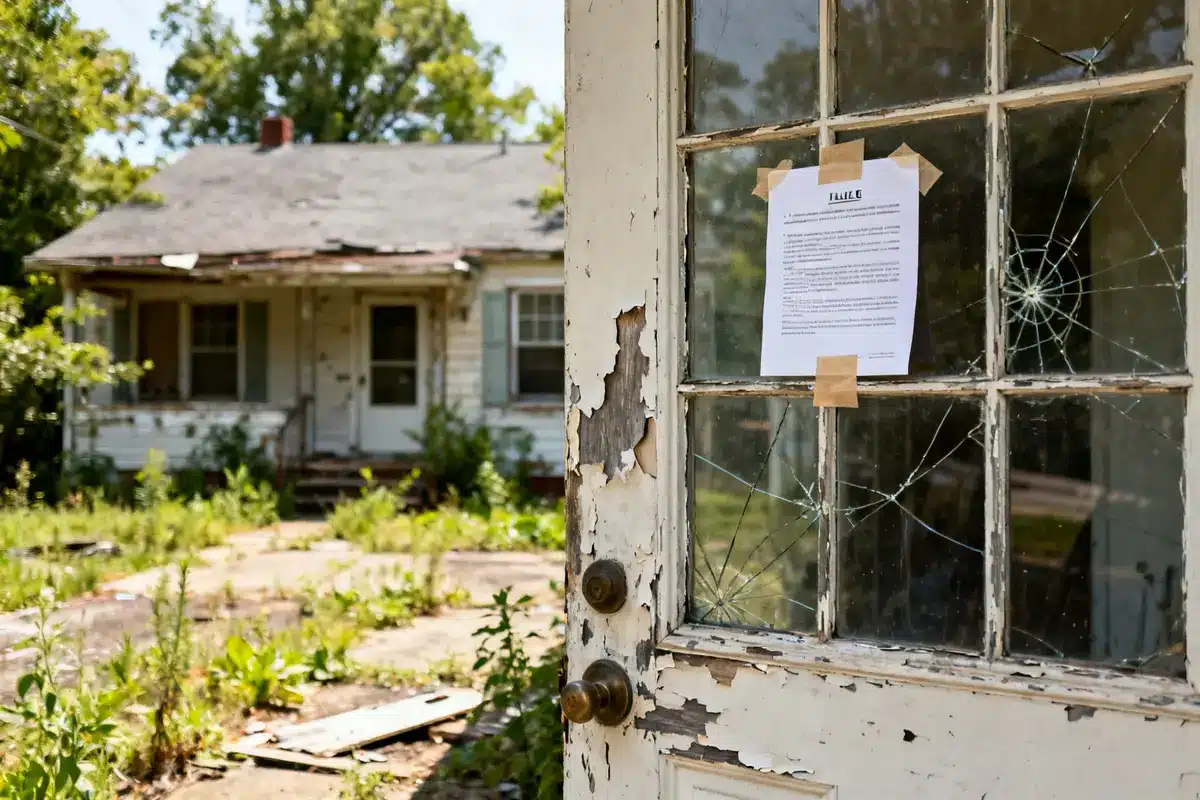
Pre foreclosure homes represent properties in the early stage of the foreclosure process. This phase begins when a homeowner misses mortgage payments, typically three or more, and the lender files a formal notice. The property has not yet been repossessed by the bank, giving the owner a window to sell or resolve the debt and avoid full foreclosure.
During this pre-foreclosure stage, the borrower is technically still the owner but is at risk of losing the home due to default. It is a unique opportunity for buyers to find properties at potentially discounted prices before they hit the open market as bank-owned or real estate-owned (REO) listings. Buyers must move diligently and understand essential processes to take advantage of these deals safely.
Locate Pre Foreclosure Homes: Methods and Leads
Notices of Default and Lis Pendens (Pre-Foreclosure Signals)
One of the most effective ways to find pre-foreclosure homes is by tracking legal documents like Notices of Default (NOD) and Lis Pendens. These public records indicate homeowners have begun defaulting on their mortgage payments and signal that the property may soon be available for sale.
Notice of Default is the lender’s formal warning about unpaid mortgage installments, while Lis Pendens is a pending lawsuit notification related to the property. Both are filed with the county recorder or clerk’s office and are accessible online or in person. Knowing where to search these records provides a direct lead on potential pre-foreclosure sales before they become widely known.
MLS Avoidance and Direct Outreach
Unlike typical houses, pre foreclosure homes often avoid listing on the Multiple Listing Service (MLS). This off-market status means buyers must employ alternative strategies like direct outreach to homeowners or purchasing pre-foreclosure leads from specialized services.
Contacting the homeowners directly with personalized letters or calls requires sensitivity and tact, as these sellers usually face stressful financial situations. Real estate wholesalers, foreclosure specialists, and real estate attorneys can also be valuable resources to connect with sellers before the home hits the market.
Pros, Risks, and Risk Mitigation
Buying pre foreclosure homes can offer buyers a significant discount, typically 10% to 30% off market value. Because the homeowner is motivated to sell quickly to avoid foreclosure, this discount provides a real chance to acquire properties below market prices.
Aside from potential savings, purchasing at this stage usually means less competition since these homes are not widely advertised. Buyers also have the option to negotiate flexible terms, sometimes allowing the seller to remain in the home temporarily after the sale.
Nevertheless, there are risks. The property condition can range from well-maintained to severely distressed due to financial neglect. Hidden costs like unpaid property taxes, liens, or HOA dues may come attached. Additionally, the seller could cure their default and back out before closing, making timing and due diligence critical.
To mitigate risks, buyers should always arrange professional home inspections and complete thorough title searches. Understanding local laws, including state-specific redemption periods that allow owners to reclaim their property after a sale, is also vital for protecting the buyer’s investment.
Author’s Note
“Understanding the lender’s timeline and state redemption laws is critical to secure a pre foreclosure home without surprises during closing.”
Buying Pre Foreclosure Homes: Process and Offers
Purchasing pre-foreclosure homes involves negotiating primarily with the property owner rather than the lender, though lender approval is ultimately necessary. Buyers often make offers to pay off the existing mortgage balance plus any fees, usually below the current market value.
Offers should be backed by solid research, including estimated repair costs and market comps. Buyers can expect negotiations on price reductions in the 10% to 30% range, depending on urgency and market conditions. Timing matters greatly: some states allow redemption periods lasting from 30 to 180 days, during which the original owner can reclaim the property after the sale.
Crafting purchase contracts with contingencies for inspection, financing, and clear title is essential. It’s also wise to include clauses to exit the deal if unexpected liens or legal challenges arise, helping to manage deal security in a complex transaction.
Since purchase timelines may be extended due to legal steps and lender involvement, flexibility on the closing date improves chances of a successful deal. Partnering with an experienced real estate attorney and agent familiar with pre foreclosure homes ensures all precautions are observed.
Financing and Closing on Pre Foreclosure Homes
Securing financing for a pre-foreclosure home can be challenging but feasible. Cash offers are preferred by sellers for speed and simplicity, but many buyers finance through traditional mortgages that pay off the seller’s existing loan.
Buyers need to budget not only for the purchase price but also for hidden expenses like unpaid taxes, outstanding liens, or utility bills that may not have been settled by the seller. These can unexpectedly increase the total acquisition costs and must be accounted for ahead of closing.
Title insurance becomes even more critical in pre-foreclosure transactions because of the higher risk of clouded titles. Conducting a thorough title search prior to closing protects against claims from previous owners or creditors.
The closing process involves cooperation among the buyer, seller, lender, and title company. Since the property’s ownership status might be in flux during foreclosure, coordinating clear communication and following legal procedures closely can prevent deal failures and delays.
🧮 Pre Foreclosure Homes Offer Calculator
Estimate your target offer price based on market value, estimated repairs, and typical negotiation discounts.
Decision Guide: Is This Path Right for You?
Buying pre-foreclosure homes is not for every homebuyer. This path requires patience, flexibility, and a tolerance for complexity that traditional home buying usually does not demand.
Key considerations include your comfort with off-market negotiations, ability to conduct or invest in thorough inspections, and understanding of legal risks such as redemption periods unique to each state. This process often suits investors or buyers seeking below-market deals who can absorb or plan for unexpected repair costs and closing challenges.
If you prefer a straightforward transaction with less risk and certainty on timing, buying a standard home through MLS listings might be preferable. Conversely, if you welcome the prospect of helping a distressed homeowner, potentially securing great value, and are prepared to act decisively, pre foreclosure homes can be rewarding.
Working closely with knowledgeable real estate professionals familiar with foreclosure and pre-foreclosure markets will also enhance your confidence and guide your decision effectively.
FAQ: pre foreclosure homes
Are pre-foreclosure homes good to buy?
Pre-foreclosure homes can be good to buy for those seeking discounts and willing to handle potential risks like property condition and legal complexities. They offer less competition and negotiation flexibility but require due diligence and patience to avoid surprises during closing.
How long are homes in preforeclosure?
Homes in preforeclosure typically last from about 30 to 180 days, depending on state laws and lender timelines. This period allows owners time to sell or cure the default before foreclosure proceeds, providing a window for buyers to negotiate purchases.
Why would a house be in pre-foreclosure?
A house is in pre-foreclosure because the homeowner has missed mortgage payments, usually three or more, triggering the lender to file a Notice of Default. This stage signals the owner is at risk of losing the home but still has a chance to sell or resolve the debt.
Can I stop a preforeclosure?
You can stop a preforeclosure by paying the owed mortgage arrears, negotiating a loan modification, refinancing, or selling the property before foreclosure completes. Acting quickly during the pre-foreclosure phase is essential to avoid losing the home.
What are Notices of Default and Lis Pendens in pre-foreclosure?
Notices of Default (NOD) and Lis Pendens are legal filings signaling pre-foreclosure. NOD warns of missed mortgage payments, while Lis Pendens indicates a pending lawsuit related to the property. Both help buyers identify potential pre-foreclosure sales early.
How can I locate pre foreclosure homes if they avoid MLS listing?
When pre foreclosure homes avoid MLS, buyers must use alternative methods like checking public records for Notices of Default, reaching out directly to homeowners, or purchasing leads from specialized services. Real estate professionals experienced in foreclosures can also assist.

Damian is an inquisitive writer with a passion for exploring diverse subjects. He loves sharing fresh perspectives, inspiring curiosity, and sparking meaningful conversations. For him, every topic is an opportunity to learn, connect, and uncover new ideas.