Key takeaways:
Selecting a DIY modern dining table requires attention to materials like hardwoods oak and walnut that offer durability and aesthetic grain patterns. Proper leg height ranges between 28 to 30 inches to ensure ergonomic comfort, alongside a minimum 6-inch apron clearance for sufficient knee room. Integrating industrial designs with metal bases enhances style while maintaining functional stability using hardware such as threaded inserts and bolts.
Is your dining space limiting your design options? Many underestimate the impact of precise table dimensions and material choices when crafting modern tables, leading to cramped or uneven arrangements. Urban apartments especially benefit from compact yet stylish layouts that maximize seating without sacrificing comfort or flow. With correct planning using recommended lumber types and hardware, anyone can create a functional modern dining table tailored to fit both the room and lifestyle demands.
DIY Modern Dining Table: Styles for Every Space
When choosing a DIY modern dining table, the key is to match the style with your room’s size and vibe. Sleek minimalist tables fit well in compact urban apartments, while bold industrial designs suit open lofts or larger dining areas. Contemporary designs often involve clean lines and simple silhouettes, making them versatile for many interiors.
Styles like the waterfall edge, live-edge slabs, or metal base tables all bring unique character. For instance, a streamlined metal frame combined with a wooden top offers a chic industrial look that balances warmth and modernity. Glass tops with metal legs create an airy feel great for smaller spaces, maximizing light and openness.
Choosing a style for every space means also considering seating options. Benches provide flexibility and a modern twist, fitting well under narrower tables. Meanwhile, classic chairs add a timeless touch, especially when paired with geometric shapes and subtle colors.
DIY Modern Dining Table: Plans for Round and Rectangular
Common Lumber Types and Grain Patterns
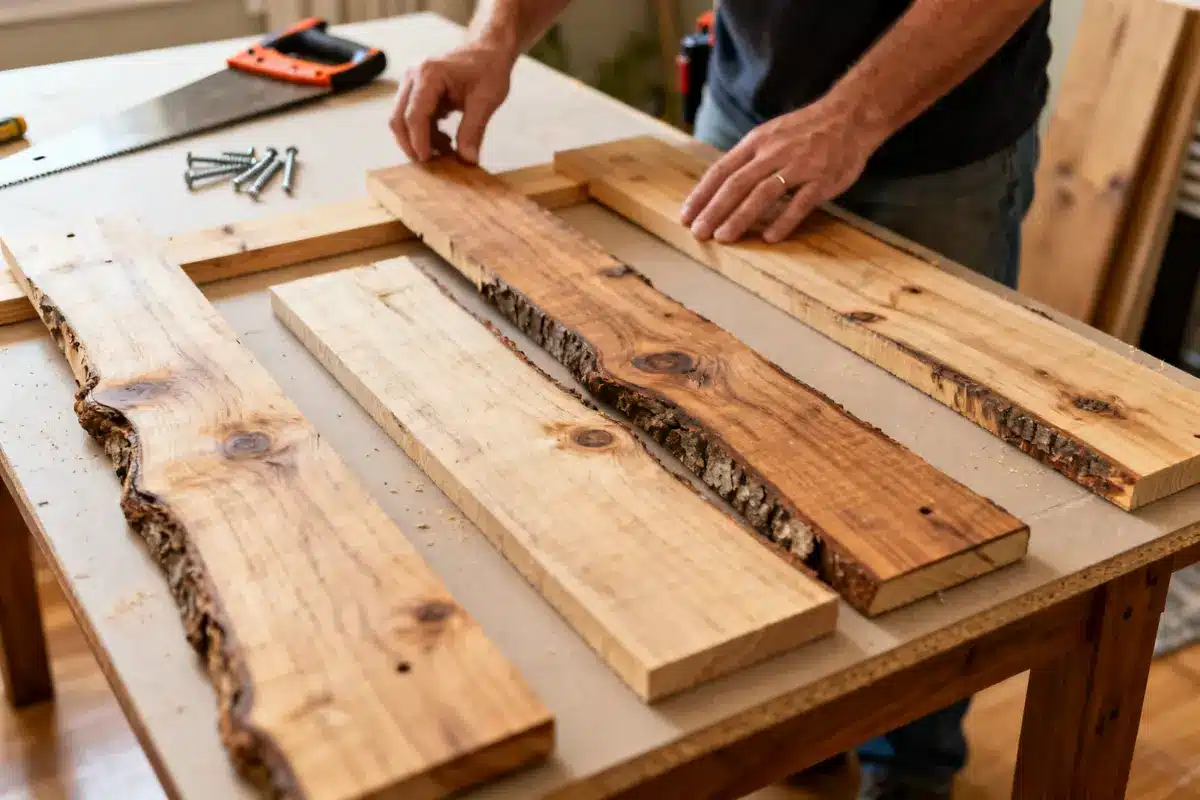
For your DIY modern dining table, selecting the right lumber is crucial. Popular choices include hardwoods like oak, maple, and walnut for their durability and beautiful grain patterns. Pine is softer and more affordable but may dent easily, ideal for lighter use or rustic looks.
Grain orientation affects both aesthetics and strength; quarter-sawn wood offers stability and straight grain, lending a modern, consistent finish. Flat-sawn boards show pronounced grain patterns but can cup or warp more readily. Always plan for moisture content and acclimatize your lumber before building.
Choosing Durable Finishes and Sealants
Finishes protect your table and highlight its beauty. Polyurethane is a common choice for wood tops, offering a clear, durable coat that resists scratches and spills. When working with concrete table surfaces, drying times and curing steps are vital; inadequate curing can cause cracks and reduce longevity.
For concrete tops, allow at least 28 days of curing before heavy use, ensuring the sealant fully sets. Oil-based finishes penetrate deeply into wood, enriching color but require multiple coats and longer drying periods. Water-based finishes dry faster and have less odor, making them ideal for indoor projects.
Hardware and Fasteners for Stability
Using the right hardware ensures a strong, stable table. Locksmith-style threaded inserts paired with bolts provide sturdy, removable leg attachments, perfect for tables you may want to disassemble. Confirm your fasteners are appropriate for the thickness and type of wood or metal to prevent splitting or loosening over time.
Metal corner brackets and flat braces are excellent for reinforcing aprons and legs, increasing overall rigidity. Be sure to use corrosion-resistant screws if your table will have outdoor exposure to maintain long-term reliability.
Author’s Note
“Pay close attention to leg height and apron clearance — a leg height of 28-30 inches with at least 6 inches of apron clearance optimizes comfort and stability, a detail many plans miss but vital to DIY success.”
Key Design Challenges and How to Solve Them
A common challenge in building a DIY modern dining table is balancing aesthetics with functionality. Proper leg placement and dimensions ensure not only the look but also the comfort for users. Legs set too far in reduce knee room, while insufficient apron clearance can cause discomfort during extended meals.
Leg height is another often overlooked yet significant factor. Standard dining tables measure about 28 to 30 inches high, which suits most chairs and sitting postures. The apron clearance — the space between the bottom of the apron and the floor — should be at least 6 inches to avoid hitting knees.
Additionally, builders may underestimate how wide or long the table should be relative to room size. Proper clearance enables good traffic flow and seating comfort, which are essential for a practical dining space.
Materials and Finishes: Wood, Concrete, and Metal
Common Lumber Types and Grain Patterns
The choice of materials deeply defines your table’s style and use. Solid woods like cherry and hickory showcase rich textures and aging potential, while engineered woods offer budget-friendly, consistent options. Mixing materials—wood tops with metal legs—creates a striking contemporary effect.
Concrete tabletops provide a trendy industrial touch, offering toughness but requiring careful handling and finishing. Combining concrete with wood or metal bases also balances raw aesthetics and warmth. Grain direction and wood species will directly affect the feel and finish of your table top.
Choosing Durable Finishes and Sealants
Sealing options vary dramatically by material. For concrete surfaces, a penetrating sealant with a curing time of 28 days prevents cracking and moisture ingress, enhancing durability. Wood finishes like tung oil, varnish, or polyurethane create stain and scratch resistance while enhancing grain details.
When using metal, powder coating ensures long-lasting color and resistance against rust, especially for outdoor furniture. Remember that multi-layered finishes often extend protection and maintain the look of your DIY modern dining table longer.
Hardware and Fasteners for Stability
Quality hardware like lag screws, threaded inserts, and concealed fasteners translate to a solid build. Fasteners must complement your design’s load requirements, particularly if you are using heavy materials like concrete. Bolts offer removable assemble/disassemble options, adding to the table’s versatility.
Ensure you select finishes for hardware to prevent corrosion, especially when mixing materials or planning outdoor use. Combining the right hardware and materials safeguards your project against common stability issues.
Size and Layout: Planning for Seating and Clearance
Measuring for Your Space and Chairs
Careful measurements are critical when fitting a DIY modern dining table in your room. Aim for at least 36 inches from the table edge to walls or other furniture to allow comfortable movement. Per chair, provide 24 inches width and a minimum of 18 inches of seat depth.
As a rule of thumb, a minimum clearance of 30 inches is needed between the table and nearby walls or fixtures. This applies whether you have two chairs or six. Spacing impacts not only comfort but also the room’s flow and overall function.
Scaling for Small Rooms
In small rooms, a round table often fits better, offering more flexible seating and easier navigation around the table. Compact rectangular tables with slim profiles are also effective. Consider drop-leaf or expandable versions to maximize space when needed.
Bench seating can reduce bulk and allow more people at the table, especially when tucked neatly underneath. Utilizing vertical space with tall chairs or stools can also optimize room size without crowding.
Indoor vs Outdoor Considerations
Tables designed for outdoor use must resist weather and humidity changes. Use weatherproof woods like teak or cedar, sealed with UV-protective finishes. Metal legs should be powder-coated or galvanized to prevent rust.
Indoor tables offer more design flexibility, with finishes that prioritize beauty over weather resistance. Keep in mind differences in siting—porches or sunrooms may require a hybrid approach to balance indoor comfort with outdoor durability.
Tutorials and Resources: Where to Find Free Plans
Finding clear, detailed plans supports all skill levels. Websites like Kreg Tool, Instructables, and popular woodworking blogs offer hundreds of free plans specifically for modern dining tables—round and rectangular alike. Many include cut lists, material suggestions, and assembly videos.
Some resources even provide customizable plans where you input measurements to generate cuts and materials tailored to your space. These enhanced tools ease the building process and reduce errors.
🧮 Calculator for DIY Modern Dining Table Size
Estimate the ideal table size based on your room and seating needs.
FAQ: DIY modern dining table
What are the best types of wood for a DIY modern dining table?
The best types of wood for a DIY modern dining table include hardwoods like oak, maple, walnut, cherry, and hickory. These woods offer durability, beautiful grain patterns, and aging potential, making them ideal for sturdy and stylish dining tables.
How can I choose the right size for my DIY modern dining table in a small room?
Choosing the right size for a DIY modern dining table in a small room involves aiming for at least 36 inches between the table edge and walls for movement, and allowing 24 inches width per chair. Round or compact rectangular tables and bench seating help maximize space and comfort.
What finishes are best for a DIY modern dining table made of wood or concrete?
For wood tables, polyurethane, tung oil, and varnish offer durable, protective finishes enhancing the grain. Concrete tables need penetrating sealants with 28 days curing to prevent cracks. Water-based finishes dry faster and are low odor, suitable for indoor use.
What hardware should I use to ensure stability in a DIY modern dining table?
Use quality hardware like locksmith-style threaded inserts with bolts for removable legs, metal corner brackets, and flat braces to reinforce legs and aprons. Select corrosion-resistant screws for outdoor tables to maintain long-term stability and durability.
What are common design challenges when building a DIY modern dining table?
Common design challenges include ensuring proper leg placement for knee room, maintaining at least 6 inches apron clearance, choosing correct leg height (28-30 inches), and sizing the table for good traffic flow and seating comfort in the room.
Where can I find free plans for building a DIY modern dining table?
Free plans for DIY modern dining tables can be found on websites like Kreg Tool, Instructables, and woodworking blogs. Many offer cut lists, material suggestions, assembly videos, and customizable plans tailored to your measurements and space.

Damian is an inquisitive writer with a passion for exploring diverse subjects. He loves sharing fresh perspectives, inspiring curiosity, and sparking meaningful conversations. For him, every topic is an opportunity to learn, connect, and uncover new ideas.