Key takeaways:
The Frederick Cooper lamps combine artistic craftsmanship with luxury materials like bronze and alabaster, maintaining a legacy since the 1920s. Authentic pieces feature serial numbers located on bases using specific fonts, crucial for identification. Market values range widely, with collectibles priced from $700 to over $7,600, influenced by condition, rarity, and provenance.
Does owning designer lamps mean navigating a complex market with many imitations? Collectors and enthusiasts of Frederick Cooper lamps face challenges authenticating pieces and understanding evolving design styles and finishes. Variants crafted over decades reflect shifts in production techniques and collaborations, impacting rarity and value. Grasping these elements empowers buyers to make confident decisions and properly care for their lighting collections.
Frederick Cooper Lamps: Brand History and Design Ethos
Frederick Cooper lamps originated from the vision of Chicago artist Frederick Cooper in the 1920s. Captivated by the innovation of lamps as functional art, Cooper combined materials such as brass, fabric, glass, and wood to create lighting pieces that elevated interior spaces.
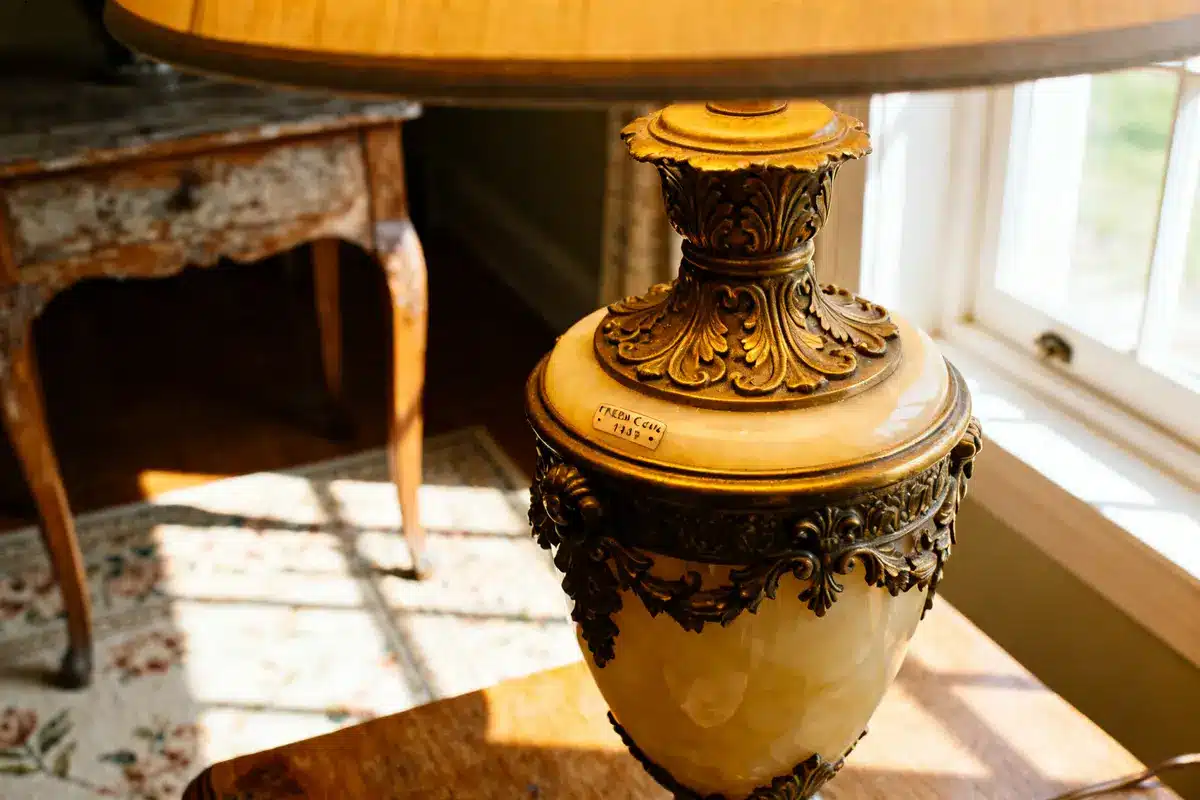
Cooper’s design ethos centers on blending artistry with utility, giving birth to what he called “illuminated art.” Using fine natural materials like bronze, nickel, marble, jade, and alabaster, Frederick Cooper lamps reflect superior craftsmanship and artistic detail.
This pursuit of quality and aesthetic innovation has been carried forward by collaborations with prominent designers such as Larry Laslo and Mario Buatta, whose influence enhances the collectible appeal of certain models through unique stylistic signatures.
The brand’s evolution includes its acquisition by Wildwood in 2011, a move that expanded production resources while maintaining Frederick Cooper’s high standards, resulting in lighting designs that remain at the forefront of style and function today.
Frederick Cooper Lamps: Identify Originals and Variants
Distinguishing Original Frederick Cooper Pieces
Identifying original Frederick Cooper lamps requires careful scrutiny of construction, materials, and design details. Originals often showcase hand-finished metals, rich patinas, and high-quality fabric shades, all carefully selected and tailored to each piece.
One rarely mentioned but critical authentication nuance is the identification of serial numbers. These are commonly found on the lamp base underside or on the metal body near the socket and usually employ specific font styles consistent with Frederick Cooper’s manufacturing standards.
Recognizing Different Variants
Frederick Cooper lamps include a range of variants that differ in style and finish but share common production quality. Limited editions and artisan collaborations sometimes produce exclusive variants, leading to higher rarity and collectible value.
Collectors should note design changes over the decades, as early pieces emphasize traditional handcraft methods, while newer lamps integrate contemporary production techniques without compromising the artistic ethos.
Styles and Finishes That Define Frederick Cooper
Traditional, Deco, and Modern Contempo Styles
Frederick Cooper lamps embrace multiple styles tailored to diverse tastes. The traditional style features classic lines and rich materials, often incorporating bronze and brass with ornate detailing.
The Art Deco influence appears through geometric shapes and streamlined forms, celebrating the 1920s and ’30s aesthetic. Meanwhile, modern contempo designs utilize clean lines and minimalist elements, often combining metal finishes with understated fabric shades.
Finishes: Antique Brass to Multicolor
The brand offers a broad palette of finishes, ranging from antique satin brass to polished nickel and bronze tones. Multicolor finishes are available, providing a whimsical, eclectic look for modern interiors.
Finishes are designed to age gracefully, and their condition can significantly affect value. Antique brass is particularly sought-after for its warm, vintage appeal, while polished finishes attract collectors who prefer contemporary brightness.
Author’s Note
“Pay close attention to the location and style of serial numbers on Frederick Cooper lamps, as these subtle details are often overlooked yet vital for authenticating and confidently evaluating pieces.”
Authenticity Guide: Proofs from Frederick Cooper Lamps
Key Markings on Frederick Cooper Lamps
Authentic Frederick Cooper lamps typically bear clear markings such as engraved or etched brand names and serial numbers. These are usually found on the lamp base or metal frame, and experts recommend verifying the font and engraving style to confirm legitimacy.
Labels or stickers might also appear under the base or on the product tag, indicating model numbers, production year, or artisan codes tied to specific collaborations.
Counterfeit Red Flags in Frederick Cooper Lamps
Common counterfeit signs include inconsistent weight, cheap plating, irregular finishing, and missing or improperly placed markings. Substandard fabric shades and poor electrical fittings usually accompany fake or replica lamps.
Watch for font discrepancies in serial numbers, irregular patina, or signs of glued components instead of mechanical assembly, which often signal fake pieces attempting to mimic genuine Frederick Cooper craftsmanship.
Valuing Frederick Cooper Lamps: Factors and Pricing
Condition, Rarity, and Provenance
The value of Frederick Cooper lamps depends heavily on condition, with mint or near-mint pieces retaining most of their retail price, whereas lamps with scratches or repairs can depreciate by up to 40% or more.
Rarity also plays a major role, especially for lamps released in limited editions or those designed in collaboration with renowned artisans. Provenance, such as purchase invoices or documentation verifying artist collaborations, adds credibility and increases value.
Market Trends and Price Ranges
Current market trends show that Frederick Cooper lamps range in value from around $700 for smaller or more common pieces, up to $7,600 or more for intricate chandeliers or rare limited editions.
Prices are affected by shifts in collector demand and interior decorating trends favoring traditional or contemporary looks. Notably, pieces associated with designers like Mario Buatta command higher premiums due to their artistic significance.
Caring for a Frederick Cooper Lamps Collection
Proper care ensures your Frederick Cooper lamps maintain their value and beauty over time. Regular dusting with a soft cloth and gentle cleaning of metals using non-abrasive products will preserve finishes.
To protect fabric shades, avoid exposure to direct sunlight which can cause fading. Electrical components should be checked periodically by a licensed professional to guarantee safety and functionality.
When storing lamps, use padded boxes or wrap in acid-free tissue paper to shield delicate materials. This care extends the lifespan of your collection and maintains the lamps’ original craftsmanship appeal.
🧾 Frederick Cooper Lamps Value Estimator
Estimate your lamp’s current market value by inputting its style, condition, and size.
Frederick Cooper lamps represent a unique intersection of fine art and functional lighting. Understanding their rich history, identifying genuine pieces, recognizing style and finish variations, and grasping valuation factors equips collectors and enthusiasts to appreciate and care for these beautiful works of illuminated art.
FAQ: frederick cooper lamps
Are Frederick Cooper lamps expensive?
Frederick Cooper lamps can be expensive, with prices ranging from about $700 for common pieces to over $7,600 for rare chandeliers or limited editions. Their value depends on factors like condition, rarity, and provenance, making some models highly collectible and valuable.
When were Frederick Cooper lamps made?
Frederick Cooper lamps originated in the 1920s, created by Chicago artist Frederick Cooper. The brand has evolved since, with production continuing today after Wildwood acquired the company in 2011, blending traditional artisan methods with contemporary design.
Are Frederick Cooper lamps signed?
Frederick Cooper lamps are typically signed with engraved or etched brand names and serial numbers. These markings are usually found on the lamp base or metal parts, and verifying their style and placement is essential to confirm a lamp’s authenticity.
What is the history of Frederick Cooper lamps?
The history of Frederick Cooper lamps began in the 1920s with artist Frederick Cooper’s vision of combining artistry and utility in lighting. Known for using fine materials and craftsmanship, the brand grew through designer collaborations and was acquired by Wildwood in 2011 to sustain its legacy.
How can you distinguish original Frederick Cooper lamps?
You can distinguish original Frederick Cooper lamps by checking for hand-finished metals, rich patinas, and high-quality fabric shades. Serial numbers, usually on the base underside or metal body near the socket, use specific fonts consistent with the brand’s authentic manufacturing standards.
What finishes are typical for Frederick Cooper lamps?
Frederick Cooper lamps feature finishes like antique satin brass, polished nickel, and bronze tones. Some also offer multicolor options for a whimsical style. These finishes are crafted to age gracefully, with antique brass being especially valued for its warm vintage appeal.

Damian is an inquisitive writer with a passion for exploring diverse subjects. He loves sharing fresh perspectives, inspiring curiosity, and sparking meaningful conversations. For him, every topic is an opportunity to learn, connect, and uncover new ideas.