
Key takeaways:
Mastering how cover antique books requires precise selection of archival adhesives and controlled environmental conditions, ideally maintaining 50 to 60 percent humidity. Effective use of acid-free materials ensures long-term preservation without yellowing, while drying times between 12 to 24 hours prevent warping or distortion during restoration.
Have you ever wished your fragile antique library could retain its charm without risk of damage? Handling delicate book pages involves careful evaluation of surface dirt, hinges, and brittleness, which makes selecting the right protective layer essential. Adjusting your approach with gentle adhesives and precise trimming minimizes stress on aging materials while preserving authenticity. Knowing these techniques allows you to confidently restore and safeguard your collection with customized materials and control over drying timelines.
How Cover Antique Books: Step-by-Step Guide
Assess the Book: Condition and Prep
Before learning how cover antique books, carefully examine the book’s current state. Look for torn edges, loose hinges, and surface dirt. This initial assessment helps determine which areas need repair or reinforcement. Remove any dust or debris gently with a soft brush or microfiber cloth. If pages are brittle or stained, note those spots for delicate handling. Also, check if the original cover material is still intact or if it needs complete replacement. This step avoids surprises halfway through and helps plan the restoration properly.
It’s smart to test any adhesive or cleaning product on a small, hidden patch first. This ensures chemicals don’t discolor or damage aged paper or fabric. Doing this test reflects a best practice often overlooked but critical when working with fragile antique materials.
Gather Supplies: Adhesives, Paper, Fabric
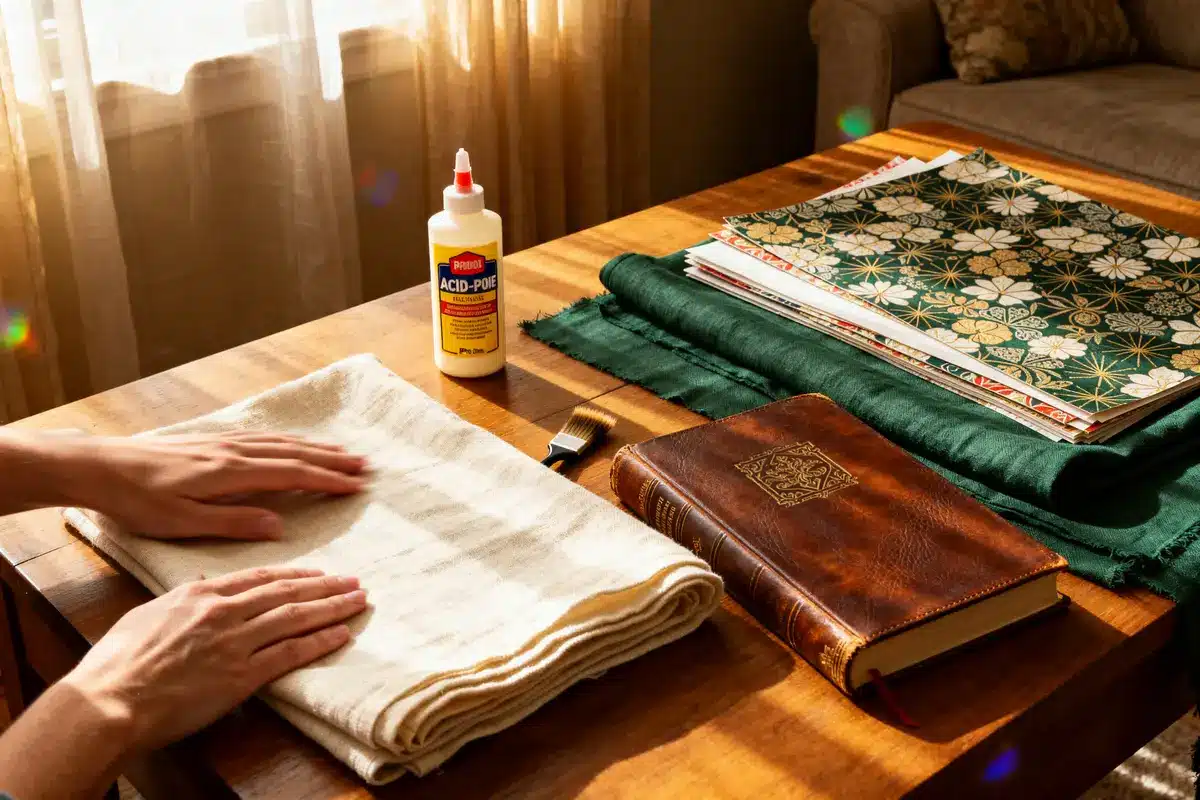
Next, assemble your tools and materials. Common supplies for covering antique books include acid-free adhesives, decorative paper, and fabric. Use bookbinding glue or archival-quality PVA glue, which are ideal for durability without yellowing over time. Choose papers like Japanese mulberry or linens that complement the book’s age and style. Fabric options include cotton, linen, and sometimes leatherette for a classic look.
Other helpful items include scissors, bone folders for smooth creasing, and a soft roller to remove air bubbles. Having everything ready speeds up the project and reduces handling time, limiting stress on the book. If you plan to add lace or decorative trims, keep them within reach too.
Apply, Dry, and Finish: Sealing Tips
Begin by carefully applying your adhesive to either the outer cover or chosen material. Spread glue in thin, even layers to prevent warping. Press the fabric or paper gently but firmly, smoothing out wrinkles or bubbles. Use a bone folder for crisp edges. Let the book dry flat in an environment with 50 to 60 percent humidity at room temperature. This helps the cover set without curling or distortion.
Sealing is key for protecting your work. Apply a thin coat of archival varnish or matte Mod Podge to the cover. Avoid heavy or glossy finishes that alter the antique look. A sealant not only protects against stains or humidity but also stabilizes adhesives for long-term care. Optimal drying times for adhesives range from 12 to 24 hours, depending on material thickness and room conditions.
How Cover Antique Books: Material Options
You can use a variety of materials for covering antique books, each offering different textures and protection. Popular choices include:
- Decorative paper: Lightweight and easy to trim, pattern or handmade paper enhances visual appeal while offering moderate protection.
- Fabric: Cotton or linen fabric adds durability and a vintage touch. It can be dyed or painted for custom effects.
- Leather or faux leather: A premium choice for robust covers with an authentic aged feel.
- Archival adhesives: These are essential for binding and reinforcement without compromising the book’s longevity.
When selecting materials, keep in mind the book’s historical period and intended use. Using acid-free and lignin-free supplies ensures the antique book will not weaken over time. Mixing paper and fabric layers can increase flexibility and resistance to wear. Those wanting to add a personal touch can also consider embossing or stamping designs into covers for a custom look.
Author’s Note
“For antique books, always match adhesive strength to cover fragility and test small areas first to avoid irreparable damage.”
Durable Finishes: Protecting Your Cover
Finishing a book cover properly is crucial in how cover antique books tasks. Durable finishes protect against moisture, dirt, and UV fading without hiding the original charm. Use conservation-grade sprays or sealants made for paper and cloth preservation. Avoid lacquers or heavy varnishes that can make the cover sticky or brittle. Instead, opt for thin coats of matte acrylic or archival-grade wax polish.
Applying finishes in a well-ventilated space and allowing layers to cure fully—at least 24 hours—is essential. Final protective treatments support long-term preservation while maintaining cover flexibility. For leather covers, specialized leather conditioners prevent cracking. Proper finishes can extend the life of your restoration by decades.
Aging and Antiquing Techniques for Covers
Antiquing covers brings a worn, authentic look that complements your restoration work. Popular DIY aging solutions include tea or coffee stains. For a robust stain, soak a cloth or sponge in strong brewed coffee—made with 2 tablespoons of grounds per cup of water—and lightly dab or brush the cover. Tea uses about 3 tablespoons of black tea leaves per cup for a softer patina.
After applying your solution, let the cover dry naturally, ideally in indirect sunlight to avoid warping. You can also add texture by lightly sanding edges or using a dry brush technique with diluted paint. These methods add character and depth without harming the cover’s integrity. Layering aging techniques with sealants is recommended for durability.
Common Mistakes to Avoid and Quick Fixes
Many beginners make errors when learning how to cover antique books. One common mistake is using too much adhesive, which causes bubbling or warping on delicate covers. To fix this, gently lift the cover and press out excess glue, then let it dry flat. Another pitfall is skipping the drying phase under controlled humidity, which can lead to uneven shrinkage.
Improper trimming of paper or fabric edges often results in peeling or frayed corners. Use sharp scissors or rotary cutters and finish edges with clear archival tape or glue for reinforcement. Avoid using standard household glue or tape as they degrade quickly and damage antique materials.
If you accidentally stain or crease an important page, place wax paper between the pages and press the book under a heavy, flat object overnight to reduce wrinkles. Patience and gentle handling are key throughout restoration and covering projects.
🛍️ Interactive Checklist: How Cover Antique Books Supplies and Steps
Use this checklist to track materials and steps as you cover and restore antique book covers.
Steps completed:
FAQ: how cover antique books
How to cover an old book?
To cover an old book, first assess its condition and clean it gently. Gather acid-free adhesives, decorative paper, or fabric. Apply glue in thin layers, smooth out wrinkles, let dry flat in controlled humidity, then add a protective finish for durability and preservation.
What is the 5 finger rule for books?
The 5 finger rule is unrelated to covering antique books; it helps readers choose books matching their reading level by seeing if five or fewer words on a page are unknown. It is not used for book restoration or covering.
What is the most sold book of all time?
The most sold book of all time is the Bible, followed by other religious and classic texts. This fact is unrelated to how to cover antique books, but knowing a book’s significance can guide careful preservation choices.
Do dust mites live in old books?
Dust mites can live in old books if dust and moisture are present. Proper cleaning and sealing with archival finishes during covering help protect antique books from dust mites and other environmental damage.

Damian is an inquisitive writer with a passion for exploring diverse subjects. He loves sharing fresh perspectives, inspiring curiosity, and sparking meaningful conversations. For him, every topic is an opportunity to learn, connect, and uncover new ideas.