Key takeaways:
Foreclosures in Jacksonville rely heavily on online auction platforms such as RealAuction and RealForeclose, which require a 5 percent deposit paid at least one hour before bidding. The process includes a 10-calendar-day waiting period after the Certificate of Sale before the official Certificate of Title issues, securing ownership rights. Buyers must navigate strict payment methods and deadlines to successfully participate in these foreclosure auctions.
Have you considered how timing and legal steps affect foreclosure auctions in Jacksonville? Navigating the complex sequence of deposit requirements, certificate issuance, and court objections presents a crucial challenge for bidders. Using online platforms ensures access to real-time bidding, but understanding the legal protections and precise payment deadlines is equally vital. By mastering these elements, interested buyers gain confidence to strategically participate and protect their investments in this competitive market.
Foreclosures in Jacksonville: How Auctions Work
RealAuction/RealForeclose Platforms
The foreclosure auctions in Jacksonville are conducted through online platforms such as RealAuction and RealForeclose. These websites provide a transparent, real-time bidding environment where buyers can participate remotely without attending a physical auction. The system displays live bidding activity, enabling potential buyers to track property bids instantly and ensure a fair competitive process.
Both platforms require registration and provide access to detailed property information, including legal descriptions and auction dates. This digital approach optimizes accessibility for local and out-of-state bidders alike. Additionally, the platforms incorporate secure payment and document submission processes to manage bids efficiently for foreclosures in Jacksonville.
Deposit Requirements and Payment Options
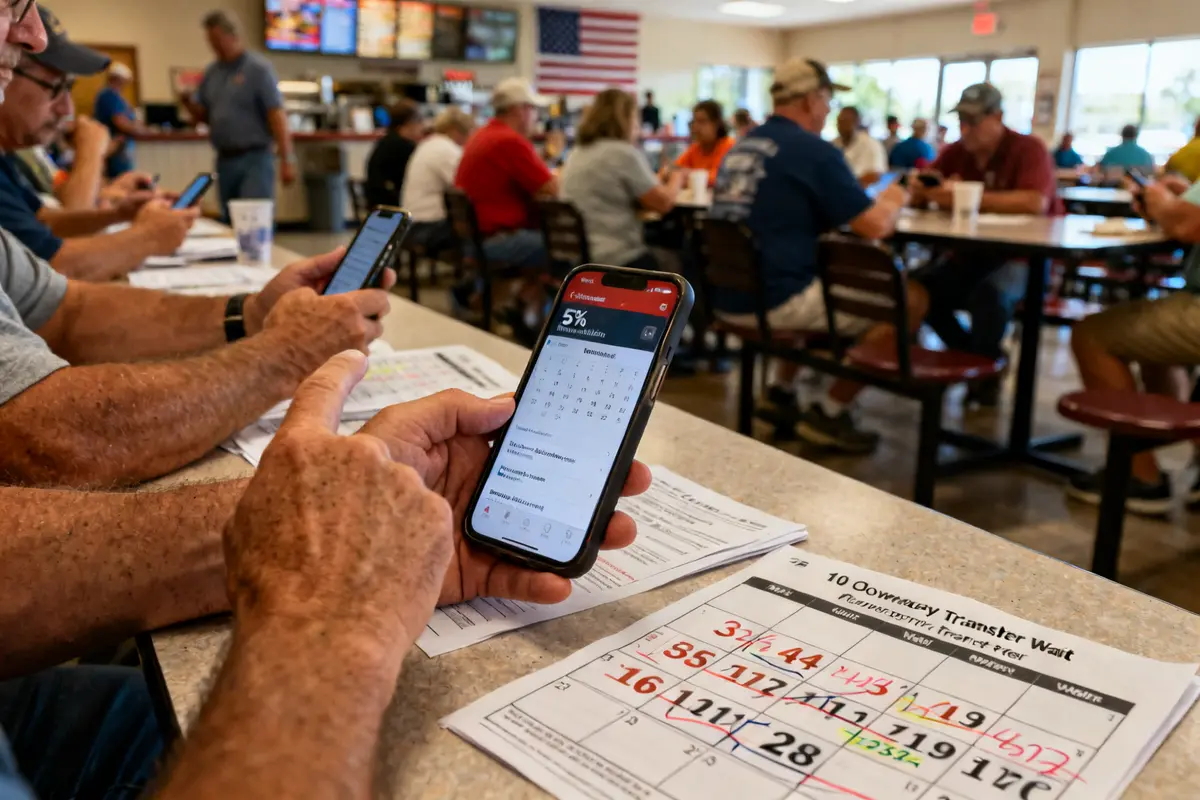
To bid on properties, the auction platforms require a deposit equal to 5 percent of the estimated high bid. Importantly, this deposit must be made no later than one hour before the auction starts to avoid disqualification, a critical deadline bidders should strictly observe. Late deposits result in automatic removal from participation in that auction.
Payment methods accepted include certified funds, cashier’s checks, money orders, wire transfers, and electronic ACH payments. Wire transfers are the fastest option but must be initiated early enough to clear before the auction deadline. Electronic payments via ACH may take three to four business days to settle, so they are less suitable for last-minute deposits. Personal checks are not accepted to prevent delays in fund clearing.
Certificate of Sale and Title Steps
Once a property sells, the Clerk’s Office issues a Certificate of Sale, certifying the successful transaction. However, the buyer cannot immediately take ownership. The Certificate of Title is issued after a 10-calendar-day waiting period following the Certificate of Sale. During these 10 days, the court allows for any objections to the sale or pending legal actions.
After the waiting period, if no valid objections exist and the buyer pays applicable Documentary Stamp Taxes and fees, the Certificate of Title is officially issued. This process protects buyers by ensuring a clear ownership transfer and the finalization of foreclosure sales. The sequence of steps is:
- Auction closing and sale confirmation
- Certificate of Sale issuance
- 10-calendar-day waiting period
- Payment of fees and taxes by buyer
- Certificate of Title issuance to new owner
Foreclosures in Jacksonville: Where to Find Bank-Owned Homes
Bank-owned homes, also called real estate owned (REO) properties, are a significant part of Jacksonville’s foreclosure market. These properties remain with the lender after an unsuccessful auction or foreclosure sale where no third-party buyer bid against the bank. REO homes are often listed on multiple online platforms like Zillow, Auction.com, and local real estate portals.
Many banks partner with real estate agents or asset managers who list these homes for sale with competitive pricing. Buyers interested in bank-owned homes should frequently check these sites for updates and new listings. Local MLS databases sometimes include REO properties, offering additional search options.
Bank-owned homes usually sell “as is” and may not be eligible for traditional financing until the title is cleared. Therefore, prospective buyers need to prepare for potential repairs or title issues and conduct thorough due diligence before purchasing.
Viewing Case Information: CORE Portal
CORE Search by Case Number or Party
The Clerk Online Resource ePortal (CORE) is the official place to view foreclosure case information for Duval County, which covers Jacksonville. Using CORE, users can search foreclosure cases by the case number, plaintiff, or defendant names. This helps buyers and interested parties verify case status, hearing dates, and other legal details about specific foreclosures.
CORE’s public access improves transparency and ensures bidders have accurate data before participating in auctions or making offers. Registered users can receive automated updates and track multiple cases simultaneously, streamlining their research process.
Locating Defendant via Property Appraiser
If you don’t have a case number or party names, you can locate the foreclosure defendant by searching the Duval County Property Appraiser’s online map or database. By inputting a property’s address or parcel number, you can find the current owner’s name linked to foreclosure filings.
This method provides an alternative route to identify legal parties involved in foreclosures in Jacksonville and deepens insights for anyone interested in tracking foreclosure status or preparing to bid.
Author’s Note
“Bidders should always initiate payment batches by 4:00 p.m. on auction day to avoid losing their deposit and ensure successful purchase completion.”
Rights, Objections, and Redemption
Borrowers and tenants affected by foreclosure have important rights. After being served foreclosure lawsuit documents, they have a strict 20-calendar-day window to respond or file objections with the court. Failure to respond results in a default judgment, which typically speeds up the foreclosure process.
Once the property is sold at auction, objections can still be filed within 10 calendar days after the Certificate of Sale is recorded. The court reviews these to determine if the sale was valid or if issues exist that could delay or void the foreclosure transfer.
Florida law allows borrowers a right of redemption, which means they can reclaim their property by paying the amount specified in the Final Summary Judgment before the Clerk issues the Certificate of Sale. This right ends upon issuance of the Certificate of Sale, making timely action essential for any redemption effort.
Auction Details: Fees, Timing, and Help
Foreclosure auctions are scheduled Monday through Friday, starting at 11:00 a.m. local time, except on legal holidays. Participants can bid on properties remotely using authorized online portals. The court charges a Service Sale Fee and an Electronic Sale Fee, which plaintiffs pay when filing the foreclosure complaint. These fees cover administrative costs for managing the auction and recording sales.
Bidders are responsible for monitoring auction timing closely since deposits must be deposited at least one hour before the start, and all final payments must be completed by 4:00 p.m. on auction day. Failure to follow these deadlines causes forfeiture of deposits and cancellation of sales.
For anyone new to the auction process, training webinars and customer service support are available through RealAuction, which provide step-by-step guidance on registration, bidding, and payment procedures.
🧮 Foreclosure Deposit Calculator for Jacksonville Auctions
Estimate the 5% deposit you need to bid on a foreclosure property in Jacksonville.
FAQ: foreclosures in jacksonville
What is the foreclosure process in Jacksonville?
The foreclosure process in Jacksonville involves online auctions via platforms like RealAuction, requiring a 5% deposit before bidding. After auction, the Certificate of Sale is issued, followed by a 10-day waiting period for objections. Then, buyers pay fees and taxes to obtain the Certificate of Title and finalize ownership.
How do foreclosure auctions work in Jacksonville?
Foreclosure auctions in Jacksonville run online through RealAuction or RealForeclose. Registered bidders submit a 5% deposit at least one hour before the auction’s 11 a.m. start time. Live bidding occurs in real time, and winning bidders receive a Certificate of Sale, subject to a 10-day objection period before final title issuance.
Where can I find foreclosed homes in Jacksonville?
Foreclosed homes in Jacksonville, including bank-owned REO properties, can be found on websites like Zillow, Auction.com, or local MLS listings. Many banks list homes through agents or asset managers, usually selling properties "as is," so buyers should research thoroughly before purchase.
How can I check foreclosure case information in Jacksonville?
You can check foreclosure case information in Jacksonville using the Duval County Clerk’s CORE portal by case number or party name. Alternatively, the Duval County Property Appraiser’s database helps identify foreclosure defendants by property address or parcel number to access related legal details.
What payment methods are accepted for foreclosure auction deposits in Jacksonville?
For foreclosure auction deposits in Jacksonville, accepted payments include certified funds, cashier’s checks, money orders, wire transfers, and ACH electronic payments. Wire transfers clear fastest, but payments must be completed at least one hour before the auction to avoid disqualification.
What rights do borrowers have during the foreclosure process in Jacksonville?
Borrowers in Jacksonville have 20 days to respond to foreclosure notices and can object within 10 days after the Certificate of Sale. They also have a right of redemption to reclaim property by paying the final judgment amount before the Certificate of Sale is issued, protecting their interests during foreclosure.

Damian is an inquisitive writer with a passion for exploring diverse subjects. He loves sharing fresh perspectives, inspiring curiosity, and sparking meaningful conversations. For him, every topic is an opportunity to learn, connect, and uncover new ideas.