Key takeaways:
The Chinese hand painted vase tradition spans from the Tang to Qing dynasties, with hallmark techniques like blue-and-white porcelain introduced during the Ming era. Prices vary widely, reaching up to $20,000 for prime Ming dynasty examples. Authentication relies heavily on kiln marks, signatures, and glaze characteristics that collectors must carefully assess.
How can you confidently identify authentic Chinese hand painted vases among countless reproductions? The market demands precise knowledge of historical styles, regional variants, and restoration impacts to ensure accurate valuation and provenance verification. Mastery of identifying key kiln marks, understanding glaze materials, and recognizing stylistic nuances is essential for both collectors and enthusiasts. With this insight, you can better navigate price ranges and build a collection anchored in genuine craftsmanship and documented history featuring collector provenance.
Chinese Hand Painted Vase: Iconic Styles Through Dynasties
Tang, Song, Ming, Qing: Distinctive Features
The evolution of the Chinese hand painted vase reflects a captivating journey through several dynasties, each marked by unique styles and artistic innovations. During the Tang Dynasty (618–907 AD), vases showcased vibrant sancai glazes featuring three distinct colors, often earthy tones of green, amber, and cream. These pieces reveal early experimentation with enamel techniques and robust forms.
Moving into the Song Dynasty (960–1279 AD), the style shifted to more refined, monochromatic glazes such as celadon and the notable crackle glaze, celebrated for their simplicity and elegance. Song wares often emphasized form and texture over elaborate decoration, conveying a serene aesthetic.
The Ming Dynasty (1368–1644 AD) introduced the brilliance of blue-and-white porcelain with cobalt oxide underglaze painting becoming widespread. This era refined intricate designs of dragons, flowers, and landscapes, creating pieces prized for their vivid contrast and craftsmanship.
In the Qing Dynasty (1644–1912 AD), vase designs grew increasingly elaborate. The Famille Rose palette emerged, marked by rich overglaze enamels and detailed figurative scenes that blended traditional motifs with Western influences. These vases often had a luxurious, almost theatrical presence, prized by collectors.
Blue-and-White, Canton, Famille Rose: Classic Variants
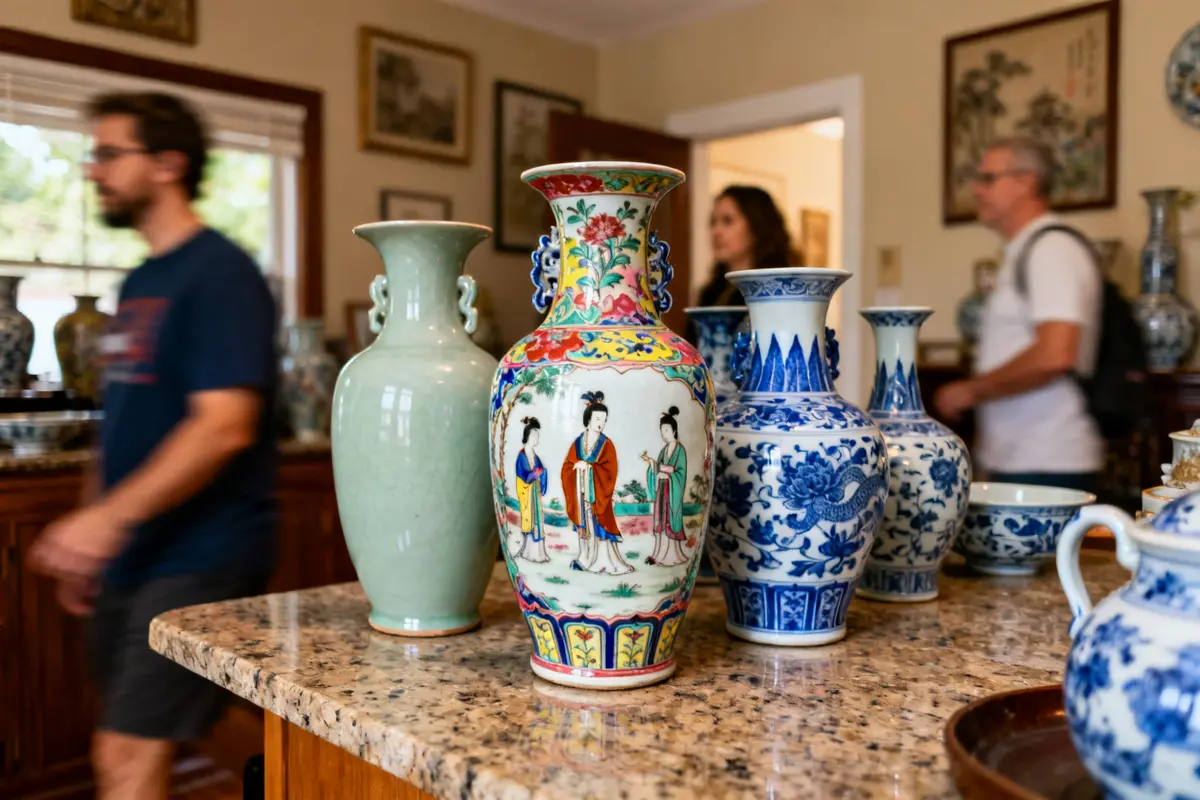
Blue-and-white porcelain remains the most iconic Chinese hand painted vase style, defined by its sharp cobalt blue designs under a clear glaze. This technique originated in Jingdezhen, the famed kiln center, where the imported cobalt pigment contributed to its exceptional durability and brilliance.
Canton porcelain gained popularity during the 18th and 19th centuries as export ware. Characterized by dense, intricate patterns including flowers, birds, and phoenixes, these hand painted designs often used a balanced mix of vibrant colors on a white base.
The Famille Rose style is recognized by its soft pink and pastel overglaze enamels. Though visually delicate, these pigments were formulated with complex lead and colloidal gold mixtures, helping ensure the colors’ long-lasting vibrancy, a detail rarely discussed but critical for collectors concerned about fading.
Celadon and Sancai: Regional Flair
Celadon glazes, popular in southern kilns during the Song dynasty, are admired for their subtle greenish-grey tones and smooth finish. The glaze imparts a jade-like luminescence that adds a tactile richness to these vases, making them a distinct contrast to more vividly painted pieces.
Sancai or “three-color” glazing offers a bolder palette and is a hallmark of Tang dynasty stoneware forms, often featuring green, amber, and white hues in flowing patterns. This style expresses a regional artistic flair combining robust color with naturalistic motifs such as animals and flowers.
Collecting the Chinese Hand Painted Vase: Authentication
Authenticity Markers: Signatures, Materials, Date Codes
When collecting a Chinese hand painted vase, authenticating its origin is vital. Key markers include the kiln marks, which can denote production in renowned sites such as Jingdezhen. The rarity and significance of these specific kiln marks is often overlooked, yet many collectors seek visual methods to identify them quickly without specialized tools.
Additionally, inscriptions or signatures on vase bases, type of clay, and glaze texture are clues to age and provenance. Certain date codes or reign marks subtly painted on vases can further confirm authenticity but require cross-referencing with established period characteristics.
Provenance and Documentation: What to Look For
Reliable provenance is crucial for valuation and trust in the Chinese vase market. Documentation might include auction receipts, exhibition records, or expert appraisals verifying origin, era, and condition. Provenance that traces back to significant collections or historic ownership adds substantial prestige.
Collectors should seek vases accompanied by certificates from reputable libraries or museums, or at minimum, detailed auction house descriptions. These details help distinguish authentic pieces from later reproductions or fakes common in the market.
Condition and Restoration Notes: Impact on Value
The condition of a Chinese hand painted vase dramatically influences its market value. Chips, cracks, and over-restoration can lower worth, while well-preserved glaze and minimal repairs preserve both desirability and price.
Restoration notes must be clear since even high-quality antiques suffer value if restoration is intrusive or poorly done. Expert conservators recommend minimal intervention, as the original paint layers and finish are crucial for both aesthetic and historical integrity.
Author’s Note
“For collectors, understanding the rare kiln marks from Jingdezhen and recognizing the subtle pigment variations in Famille Rose vases are key components in distinguishing authentic Chinese hand painted vases from reproductions.”
Techniques and Materials Behind Hand-Painted Vases
Underglaze Blue and Cobalt: Origins and Techniques
The hallmark of many Chinese hand painted vases is the use of underglaze blue decoration, achieved by applying cobalt oxide pigment beneath a transparent glaze. This technique was perfected in Jingdezhen during the Yuan and Ming dynasties, leveraging the durability and depth of imported cobalt from Persia.
The painted designs are locked beneath a clear glaze layer, protecting the image from fading and wear. Mastery of brushwork and timing during firing are essential to achieve the sharpness and variation in blue tones that aficionados admire.
Overglaze Enamels: Famille Rose, Verte, and Other Palettes
Overglaze enameling allows for a broader color range painted on the surface after the main firing. Famille Rose uses opaque pinks, reds, and soft pastel hues, while Famille Verte emphasizes greens and yellows with finer detail.
Historic recipes for Famille Rose pigments involved mixtures of colloidal gold for pink tones and complex lead compounds, enhancing color stability over centuries. This delicate chemical engineering is why many vases maintain their original vibrancy despite age and environmental exposure.
Additional Techniques: Cloisonné, Gilding, and Patination
Other techniques enrich Chinese vase artistry. Cloisonné involves enamel filling separated by copper wires on metal bases, often complementing porcelain collections. Gilding adds gold leaf or paint accents, especially prominent in Qing dynasty vases, highlighting motifs with luxury and sparkle.
Patination sometimes appears on bronze or mixed-material vases, where carefully controlled aging processes create unique surface textures, enhancing the artistic depth and tactile appeal of an antique.
Caring for and Displaying Antique Vases at Home
Proper care extends the life and beauty of a Chinese hand painted vase. Avoid placing vases in direct sunlight, which can fade delicate overglaze enamels. Temperature and humidity should remain stable to prevent glaze crazing or warping.
Dust vases regularly with a soft, dry cloth, avoiding abrasive materials or chemical cleaners that can remove patina or paint. When displaying, choose secure spots away from high traffic areas or pets.
Using a sturdy pedestal or enclosed cabinet with UV-filtering glass provides protection while showcasing your vase’s intricate details. Lighting is best done with indirect, warm sources that highlight the colors without damage.
Market Trends: Where to Buy and Price Ranges
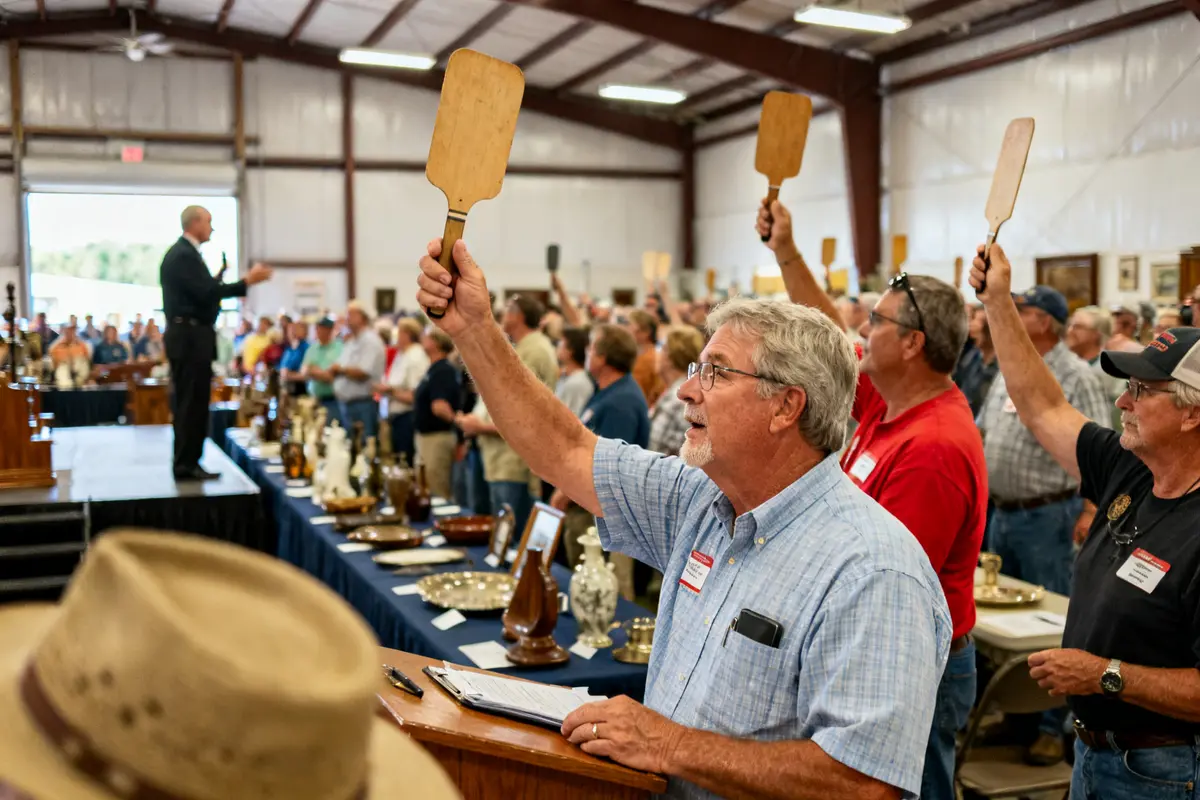
The market for Chinese hand painted vases remains active and diverse, spanning antique fairs, specialist galleries, and online auctions. Prices vary widely depending on dynasty, provenance, condition, and size.
For example, Ming dynasty underglaze blue vases in excellent condition often command several thousand dollars, while Qing Famille Rose pieces might range from $1,000 to $10,000 or more. Restoration or damage can reduce prices by up to 50%, emphasizing the importance of condition.
Reputable auction houses and vetted dealers provide safer buying environments with authentication services. Online platforms now facilitate global access, yet buyers should remain cautious about provenance and have expert opinions when possible.
- Blue-and-white Ming dynasty vases: $5,000–$20,000
- Qing dynasty Famille Rose vases: $1,000–$15,000
- Canton export pieces: $500–$3,000
- Celadon and sancai antiques: $800–$6,000
🧮 Simple Chinese Vase Price Estimator
Estimate the price range of your Chinese hand painted vase based on dynasty, condition, and style.
FAQ: chinese hand painted vase
How do I know if my Chinese vases are valuable?
Knowing if your Chinese vases are valuable involves examining their age, dynasty origin, condition, and authenticity markers like kiln marks and signatures. Provenance and expert appraisals also enhance value. Detailed designs and original glaze preservation increase worth significantly.
How to tell if a vase is hand painted?
To tell if a vase is hand painted, look for brushstroke variations, slight asymmetries, and uneven pigment distribution. Machine-printed designs tend to be uniform and perfect. Authentic hand painting often shows subtle color layering and detailed work under the glaze or overglaze enamels.
How much is a Chinese vase worth?
The worth of a Chinese vase varies widely by dynasty, style, condition, and provenance. For instance, Ming blue-and-white vases may range from $5,000 to $20,000, Qing Famille Rose from $1,000 to $15,000. Restoration and damage can significantly lower prices, sometimes by up to 50%.
How to spot a fake Chinese vase?
Spotting a fake Chinese vase requires checking for inconsistent kiln marks, incorrect clay or glaze type, and modern date codes. Poor craftsmanship, unrealistic aging, or overly bright colors can also indicate fakes. Provenance documentation and expert authentication are essential to confirm authenticity.
What are the key markers for authenticating Chinese hand painted vases?
Key markers for authenticating Chinese hand painted vases include kiln marks specific to famous sites like Jingdezhen, signatures or inscriptions on the base, type of clay, glaze texture, and reign marks. Cross-referencing these clues with historic styles helps verify origin and age accurately.
What are the main characteristics of classic Chinese vase styles like Blue-and-White, Canton, and Famille Rose?
Main characteristics of classic Chinese vase styles include Blue-and-White porcelain with cobalt blue underglaze designs, Canton porcelain featuring dense multicolor patterns with flowers and phoenixes, and Famille Rose known for soft pink and pastel overglaze enamels with lasting vibrancy due to unique pigment formulas.

Damian is an inquisitive writer with a passion for exploring diverse subjects. He loves sharing fresh perspectives, inspiring curiosity, and sparking meaningful conversations. For him, every topic is an opportunity to learn, connect, and uncover new ideas.