
Key takeaways:
Understanding who buys antiques is essential to maximize payouts, with dealers typically offering between 40% and 70% of retail value while auctions can reach as high as 90%. Estate sales charge commissions varying from 10% to 50% but enable fast liquidation of multiple items. Professional appraisals costing around $100 to $300 per hour significantly increase seller confidence and expected returns.
Do you know which sales channel will get you the best price for your vintage collectibles? The market for antiques varies widely, with sales via dealers, auctions, or estate sales each offering different benefits and drawbacks. Choosing between local dealers and wider-reaching auctions requires understanding commissions, buyer types, and timing to hit your desired payout. By mastering these nuances and applying effective appraisal and presentation strategies, sellers gain a clear edge in securing top cash for their antiques.
Who Buys Antiques for Top Cash? Buyer Types and Payouts
Direct Sales to Dealers: What Antique Buyers Value
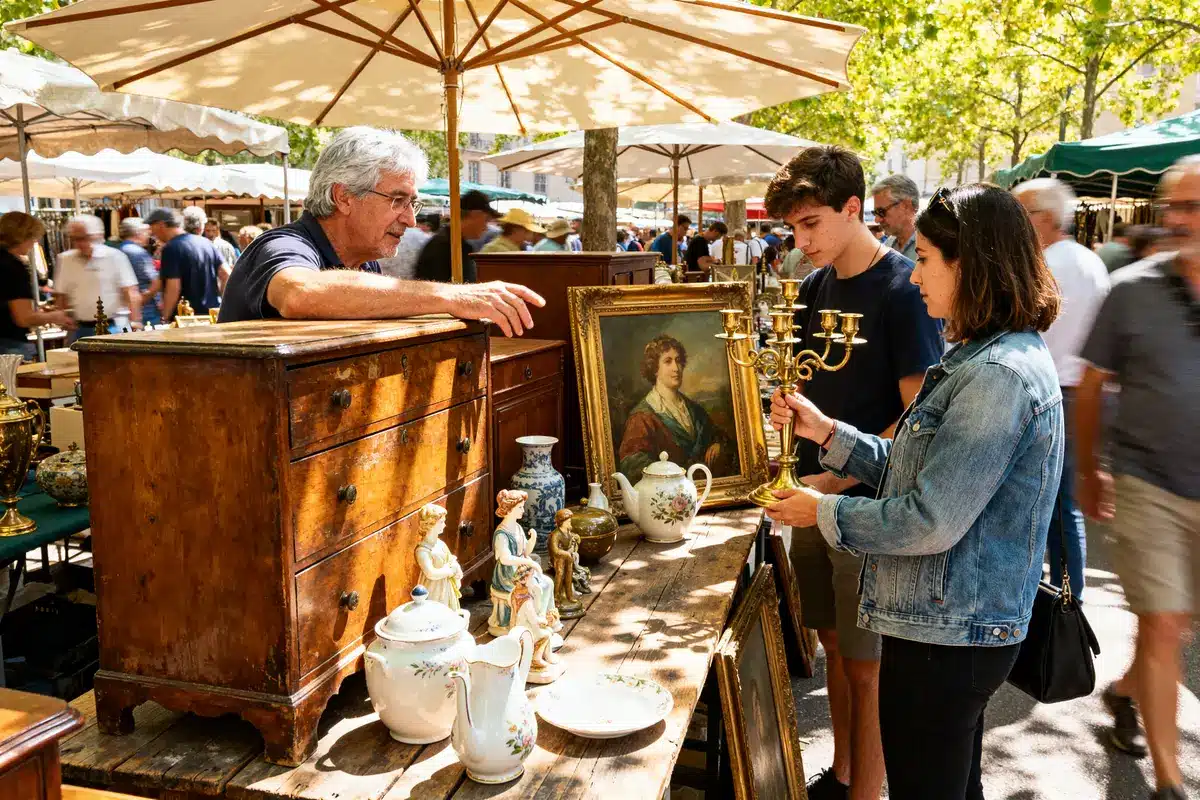
When considering who buys antiques for top cash, direct sales to dealers rank high on the list. Dealers generally pay between 40% and 70% of the retail or resale value for an item. They value authenticity, condition, provenance, and market demand. While dealers aim to buy low and resell at a profit, they also look for antiques with solid craftsmanship and verified history to attract serious collectors.
Dealers appreciate well-documented pieces and may offer more if you provide detailed information about the item’s maker, date, and past ownership. Keep in mind, their payout reflects the risk and effort they’ll invest in reselling, so expect offers to be lower than auction estimates.
Estate Sales and Auctions: What Antique Buyers Pay
Estate sales and auctions are another common channel for selling antiques. Auction houses typically charge sellers a commission that varies but often ranges from 10% to 25% of the final hammer price. Because buyers at auction often compete, prices can sometimes reach or surpass retail value for desirable pieces.
Estate sale companies usually take a percentage around 30% to 50% of the sale price but provide sellers with a quick, comprehensive way to liquidate multiple items at once. Auctions and estate sales cater to different types of buyers, so the price realized can depend heavily on attendance, buyer interest, and timing.
Who Buys Antiques: Local Dealers, Auctions
Local dealers are a great resource for selling antiques, especially if you want a fast transaction with less hassle. These buyers often know the local market trends and collector preferences, enabling them to make informed offers that reflect current demand. Auctions, on the other hand, are ideal for antiques with broader appeal or high value.
Auctions allow sellers to reach a wider audience, increasing the chance of competitive bidding and potentially top payouts. Whether you choose a local dealer or an auction house depends on your priorities: quick sale versus maximizing the selling price.
Prepare Antiques for Top Cash: Appraisals and Photos
Getting a Professional Appraisal: When and Why
A professional appraisal is a crucial step when preparing to sell valuable antiques. Expert appraisers charge between $100 and $300 per hour, but this fee can easily be recouped by better understanding your item’s true market value. Appraisals help you set realistic expectations and avoid selling high-value pieces for less than they are worth.
Consider getting a written appraisal if your antique appears rare or has notable provenance. This documentation increases buyer confidence and can be essential in estate sales, auctions, or direct negotiations with dealers.
Photograph and Describe Items Effectively
Clear and attractive photos significantly increase your chances of a great sale. Use natural lighting and simple backgrounds to highlight details and condition. Capture different angles, close-ups of maker’s marks, and any damage or repairs.
Accompany your photos with an accurate, detailed description. Include measurements, materials, history, and any interesting facts. Smart verbiage, such as replacing “old” with “vintage” and describing wear as “consistent with age”, makes listings more appealing.
Author’s Note
“Accurate appraisals paired with great photos provide the essential foundation for selling antiques at the highest possible price.”
Auction Houses vs Consignment: Which Is Best?
Auction houses provide broad exposure and competitive bidding, which can lead to top-dollar sales but often come with higher commission fees. Consignment shops typically charge 20% to 40% commissions and work on your behalf to sell items gradually, sometimes offering more personal attention and negotiated pricing.
If your antique has mass appeal or is a high-value collectible, auctions might maximize your return. For items appealing to local or niche markets, consignment may be a safer path. Each approach bears pros and cons related to speed, fees, and control.
How to Find Reputable Buyers Near You
Finding trustworthy buyers is critical. Start by checking their professional affiliations, like memberships in certified appraiser or antique dealer associations. These credentials often indicate reliability and ethical practices.
Read online reviews, ask for references, and visit the buyer’s physical location if possible. Meeting potential buyers in person helps you assess their expertise and professionalism. Verified credentials can protect you against scams and ensure a fair payout.
🧮 Calculator for Who Buys Antiques: Estimate Your Payout
Use this simple calculator to estimate potential cash offers based on your antiques’ retail or resale value and sales channel.
Red Flags and Pitfalls to Avoid
When selling antiques, watch out for these common red flags that can cost you money or cause headaches:
- Unsolicited offers from buyers pressuring you to sell immediately.
- Lack of credentials or professional affiliations in buyers’ profiles.
- Lowball offers presented as “final” without room for negotiation.
- Upfront fees for appraisals or consignment contracts that seem excessive or unclear.
- High commissions or hidden fees that eat into your payout.
- Requests to ship valuable items without secure insurance or payment guarantees.
Always take your time, verify buyer credibility, and get everything in writing. Protecting yourself protects the value of your antiques.
FAQ: who buys antiques
What is the best way to sell my antiques?
The best way to sell your antiques depends on your priorities. Direct sales to dealers offer quick transactions but typically pay 40% to 70% of value. Auctions provide broader exposure and competitive bidding, possibly achieving retail prices but with higher fees. Consider appraisals and good photos to maximize payout.
How to get rid of unwanted antiques?
To get rid of unwanted antiques, you can sell them through estate sales, auctions, consignment shops, or local dealers. Each option varies in speed, fees, and payout. Estate sales and auctions allow selling multiple items at once. Always check buyer credibility and negotiate for fair offers.
What antiques are currently in high demand?
Antiques in high demand often include those with authentic provenance, solid craftsmanship, and good condition. Pieces verified with maker marks, documented history, or unique design attract serious collectors. Market trends and local preferences also influence demand and prices.
How to tell if an antique is worth money?
To tell if an antique is worth money, consider its authenticity, condition, provenance, and market demand. Getting a professional appraisal helps determine true value. Look for maker’s marks, quality materials, and rarity. Detailed documentation and expert evaluation increase selling potential.
Who buys antiques for the best price?
Dealers, auction houses, estate sale companies, and consignment shops all buy antiques, each offering different prices and conditions. Auctions can lead to the best prices through competitive bidding but have higher commissions. Dealers may pay less but offer faster sales.
How to prepare antiques for sale to get top cash?
Preparing antiques for top cash involves getting a professional appraisal, taking clear photos using natural light, and writing accurate descriptions highlighting size, history, and condition. Proper documentation boosts buyer confidence and helps sellers obtain the highest possible payout.

Damian is an inquisitive writer with a passion for exploring diverse subjects. He loves sharing fresh perspectives, inspiring curiosity, and sparking meaningful conversations. For him, every topic is an opportunity to learn, connect, and uncover new ideas.