Key takeaways:
The vintage sofa market demands careful evaluation of frame quality, often hardwoods like oak or beech, lasting up to 50+ years. Upholstery fabrics such as velvet or bouclé offer distinct textures requiring delicate care, while price ranges typically span from $1,000 to $10,000 depending on style and condition. Assessing springs, including coil and sinuous types, is critical to ensure comfort and longevity for classic pieces.
What makes vintage sofas coveted beyond their aesthetic appeal is the blend of durability and craftsmanship rarely found in modern furniture. Many buyers face the challenge of distinguishing authentic construction elements like original springs and natural fillings from later modifications that can diminish value and comfort. Understanding key factors such as fabric types and the implications of wear helps preserve these classics. Equipped with insights on structural integrity and fabric durability, enthusiasts can confidently select sofas that combine both style and lasting function.
Vintage Sofa Essentials: What to Look For
Check the Frame, Springs & Cushions
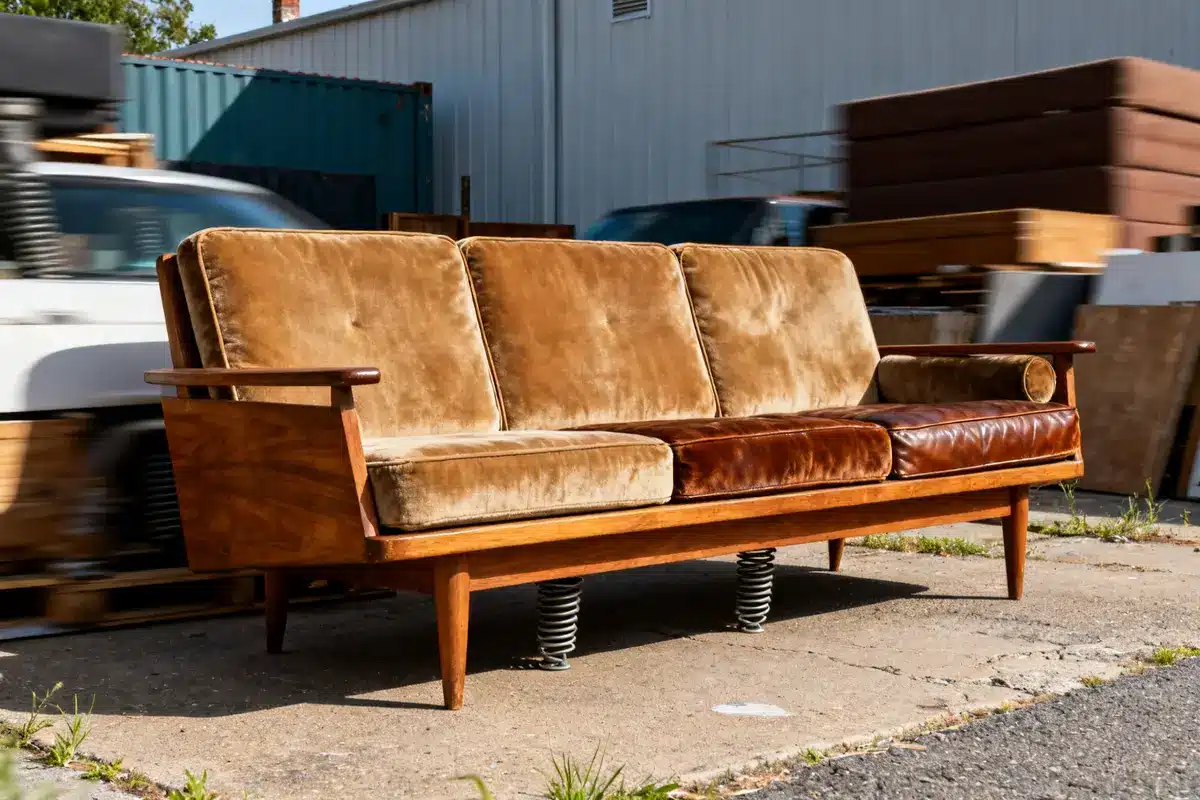
When shopping for a vintage sofa, the foundation is crucial. Start by inspecting the frame, which is often made of hardwoods like oak, maple, or beech. These types of frames can last 50+ years if well-maintained, providing long-term durability. Avoid sofas with damaged or weak frames, as repairs can be costly.
Next, check the springs. Most vintage sofas feature coil springs or sinuous springs. Coil springs provide excellent resilience but may wear out after 10-15 years, while sinuous springs can last around 15-20 years with good quality steel. A solid spring system will ensure your sofa holds its shape and comfort over time.
The condition of cushions also matters. Look for natural fillings like horsehair or down, which were common in older pieces and offer superior comfort. Foam cushions, if original, may have deteriorated, requiring replacement. Tightening or rehabbing the cushions might be needed but is often worthwhile for authentic pieces.
Compare Fabrics, Durability & Feel
The fabric or upholstery on a vintage sofa sets its tone and directly impacts its usability. Popular vintage textiles include velvet, bouclé, linen, and leather. Velvet and bouclé offer luxurious textures but require delicate care, while leather ages beautifully and is highly durable.
Durability varies widely. For instance, tight-weave linens resist wear better than open-weave fabrics. Check for fabric integrity by looking for thinning, fading, or stains. Also, test the tactile feel to ensure it matches your comfort and style preferences. The best vintage sofas combine the right fabric with overall craftsmanship for enduring appeal.
Timeless Sofa Styles: Mid-Century to Postmodern
Mid-Century Minimal Lines
Mid-century vintage sofas are admired for their clean lines and streamlined shapes. These pieces typically feature wooden legs and a minimalist silhouette that fits well into modern interiors. Their form focuses on functionality and comfort without unnecessary details.
This style often uses durable fabrics like wool blends or leather, making the sofas both elegant and practical. Mid-century designs are beloved for pairing simplicity with quality construction, offering pieces that last decades both in durability and style.
Postmodern Silhouettes and Color Pop
In contrast, postmodern sofas grab attention with bold shapes and vibrant colors. Think curved backs, exaggerated forms, and unexpected materials such as shiny vinyl or bright velvets. These vintage sofas create strong visual statements and often serve as focal points in a room.
The color palette ranges from deep jewel tones to surprising pastel pops, injecting personality into interiors. Their upholstery may require special fabric care due to unique textures and dyes. Collectors prize postmodern sofas for their artistic flair and unconventional spirit.
Author’s Note
“Prioritize vintage sofas with robust frames and original springs for true quality and longevity; these structural features often define the lasting comfort you seek.”
Budgeting and Deals on Classic Pieces
Vintage sofa prices vary widely depending on style, era, and condition. Mid-century sofas usually range from $1,000 to $6,000, with iconic designer pieces pushing the upper range. Postmodern designs often cost more, between $3,000 and $10,000, especially for rare or vibrant models.
Marketplaces for vintage sofas typically add a 20-40% markup based on rarity and demand. Setting a realistic budget helps you navigate these variations. Remember to account for potential restoration costs when considering deals.
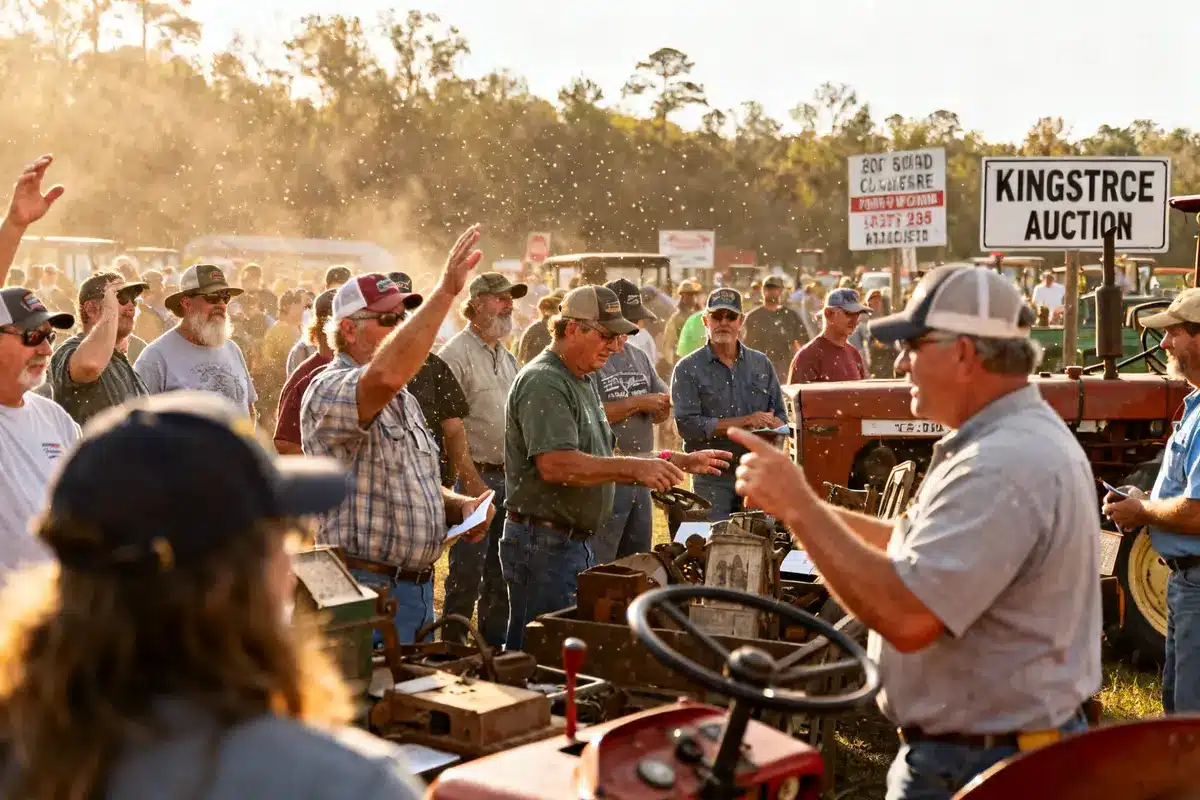
Look for sales, estate auctions, and trusted vintage dealers to find the best bargains. Patience and research can land you a stunning sofa without overpaying.
🛋️ Vintage Sofa Budget Calculator
Estimate your total budget based on sofa style and condition.
Where to Buy: Trusted Sources & Marketplaces
For authentic vintage sofas, start with reputable dealers and specialty vintage furniture shops. These sellers often verify provenance and provide detailed condition reports. You can also find high-quality options at estate sales, auctions, and local classifieds.
Online marketplaces like 1stdibs, Chairish, and Etsy feature curated collections with verified sellers. Always request clear photos emphasizing frame condition, upholstery, and any marks of wear. Local vintage fairs and consignment shops can be great for hands-on inspection and negotiation.
Avoid impulse buys from unknown sources without proper authenticity proof, as restoration costs might outweigh the original value. Reliable sellers often offer return policies or authentication certificates.
Care, Restoration & Longevity Tips
Maintaining a vintage sofa ensures it stays comfy and stylish for years. Clean upholstery gently using appropriate methods for the fabric type. Vacuum regularly to prevent dirt buildup and spot-clean stains promptly.
For luxurious but delicate fabrics like bouclé and velvet, consider applying fabric protection treatments. These solutions help repel stains and reduce wear. While the upfront cost may seem high, protection is highly cost-effective over time, especially for expensive vintage textiles.
Wood or leather frames benefit from periodic conditioning with specialized oils or creams. Restoring damaged springs or reupholstering cushions can revitalize comfort significantly. Always work with professional restorers familiar with vintage sofas to preserve original character.
- Use mild cleaning products for delicate textiles.
- Test any product on a hidden area before full application.
- Keep the sofa out of direct sunlight to prevent fading.
- Rotate and fluff cushions regularly for even wear.
FAQ: vintage sofa
What is a vintage sofa?
A vintage sofa is a couch that typically dates back several decades, often from the mid-20th century or earlier. It features classic design, aged materials, and craftsmanship that reflect its era, making it both a functional piece and a collectible item for many enthusiasts.
What are the top tips for buying a vintage sofa?
The top tips for buying a vintage sofa include checking the frame for hardwoods like oak or maple, inspecting the springs for resilience, assessing cushion fillings, and evaluating upholstery condition. Also, consider durability, fabric care, and the sofa’s overall style and budget before purchase.
How do you choose a vintage sofa?
To choose a vintage sofa, focus on sturdy frame construction, spring quality, and original cushion fillings. Evaluate fabric types like velvet or leather for durability and style. Set a budget considering restoration costs, and buy from trusted sellers with clear condition information to ensure authenticity and value.
Where can you buy vintage sofas?
You can buy vintage sofas through reputable vintage furniture dealers, estate sales, auctions, and local classifieds. Online marketplaces like 1stdibs, Chairish, and Etsy also offer curated options. Always check for detailed condition reports and provenance from trustworthy sources to avoid costly restoration.
What are the most popular vintage sofa styles?
The most popular vintage sofa styles include Mid-Century Modern, known for clean lines and minimalist design, and Postmodern sofas with bold shapes and vibrant colors. Both styles feature different fabrics and appeal, making each suitable for distinct interior aesthetics and collector preferences.
How do you maintain and restore a vintage sofa?
To maintain and restore a vintage sofa, gently clean upholstery with fabric-appropriate methods, vacuum regularly, and treat delicate fabrics with protective sprays. Condition wood or leather frames periodically. Repair springs and reupholster cushions as needed, ideally with professional help to preserve authenticity and comfort.

Damian is an inquisitive writer with a passion for exploring diverse subjects. He loves sharing fresh perspectives, inspiring curiosity, and sparking meaningful conversations. For him, every topic is an opportunity to learn, connect, and uncover new ideas.