Key takeaways:
The blue glass oil lamp evolved during the 19th century using cobalt oxide to create its distinctive hue, often featuring styles such as the Victorian hurricane lamp and student lamp. Authenticity assessment relies on factors like burner markings from manufacturers such as Aladdin and the quality of glass construction. Market values range from $80 to $600, largely dependent on condition, style, and provenance.
Is your collection truly vintage or a modern reproduction? Many blue glass oil lamps appear authentic but lack critical details that confirm age, such as original burners or precise glass patterns. Understanding subtle markers like UV light reactions and manufacturer stamps illuminates the lamp’s true origin and market desirability. With the right knowledge of hardware details and pattern variations, collectors can confidently evaluate condition and value. This insight helps preserve rare pieces while navigating the competitive marketplace for collectible lighting.
Blue Glass Oil Lamp History and Styles
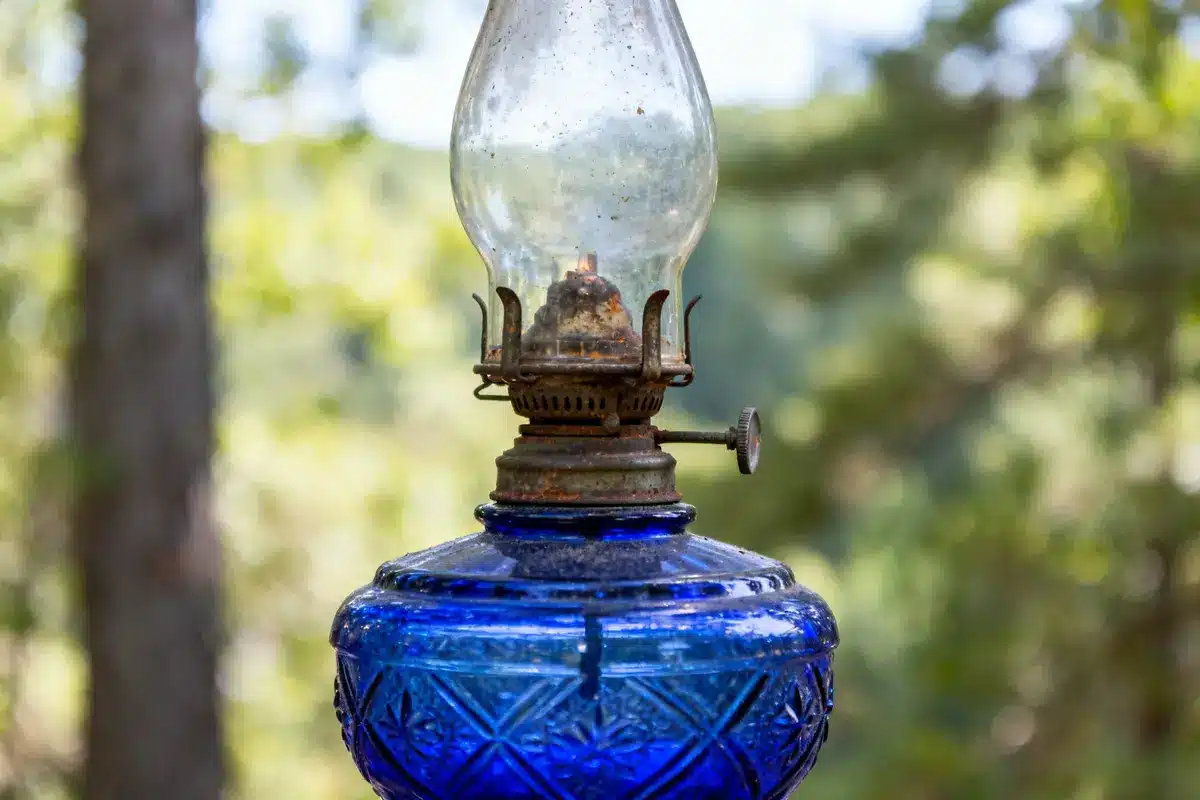
The history of the blue glass oil lamp traces back to the 19th century, an era when oil lamps were essential household lighting before electricity. Blue glass was prized not only for beauty but also for the chemical properties that made the glass durable and eye-catching. Early manufacturers often added cobalt oxide or other mineral additives to create that distinct blue hue. These lamps came in many styles, from small, portable types to larger table lamps and hurricane lamps with glass chimneys.
Styles vary widely, reflecting the period and region of manufacture. Victorian-era lamps typically featured ornate metal hardware, elegant etched patterns, and robust glass construction. Other popular forms include the barn lamp, student lamp, and student hurricane lamp, which catered to different lighting needs and settings.
Authenticity Clues: Identify Vintage Lamps
Glass Color Clues and Pattern Variations
Identifying an authentic vintage blue glass oil lamp requires a close look at the glass color and patterns. Genuine antique blue glass often has subtle variations due to hand-blown or mold-blown techniques. The presence of imperfections like tiny bubbles is common. Historically, cobalt and copper impurities were used as chemical additives to produce deep blue shades, which also influence how the glass reacts to UV light and its long-term preservation.
Patterns vary from plain smooth glass to elaborate etched or pressed designs. Collectors should note that some patterns were exclusive to certain makers or time periods, helping date the lamp. UV light sensitivity testing can reveal whether the glass has been restored or is authentic, as reproductions tend to fade or lack the chemical signature of true vintage glass.
Hardware, Burners, and Construction
The hardware and burner provide critical clues for age and authenticity. Authentic Victorian-era lamps often feature friction burners or simple ratchet models. Collectors should look for original burner markings or patent numbers, such as the “Fulton” or “Aladdin” series, which help confirm a lamp’s era. Common burner model numbers and manufacturer stamps are important for accurate identification.
Construction details also matter: thick, hand-cut glass bases, heavy brass fittings, and screw threads should feel solid and consistent with the lamp’s supposed age. Reproductions often have lighter, less durable materials and modern screw threads. The quality and type of wicks and chimneys can further distinguish vintage pieces.
Provenance, Makers, and Research Tips
Provenance is key in evaluating a blue glass oil lamp. Lamps made by well-known manufacturers like Bradley & Hubbard, Pairpoint, or Boston & Sandwich are highly collectible. Researching maker marks on the glass or metal parts can combine with old catalogs or patent records to validate authenticity and date.
- Check maker’s marks often stamped on metal hardware or embossed in glass
- Consult vintage catalogs available in antique reference books or online databases
- Join collector forums or clubs for shared expertise and auction results
Researching auction histories and comparing similar items helps avoid counterfeit or reproduction lamps falsely marketed as vintage. Proper documentation adds value and confidence when purchasing or selling.
Author’s Note
“Careful observation of burner markings combined with glass color analysis is the best way to confirm a lamp’s vintage authenticity.”
Value and Collecting: Market Trends and Price Ranges
The market for collectible blue glass oil lamps has seen steady interest, thanks to their blend of practicality and decorative appeal. Prices vary widely based on lamp style, condition, maker, and rarity. For example, a well-preserved Victorian hurricane lamp with original burner may sell between $250 and $600 at auction, while simpler student lamps often fetch $80 to $200.
Recent auction sales give a useful benchmark: lamps with intact original chimneys and burners achieve the highest prices. Lamps showing signs of damage or replacement parts sell for less, but even these can offer value if properly restored. Antique blue glass oil lamps with unique etched patterns or rare makers often command top market prices.
Sourcing and Purchasing: Where to Find Vintage Lamps
Finding authentic blue glass oil lamps means looking beyond typical antique shops. Good sources include:
- Estate sales and vintage auctions, where items are often fresh from private collections
- Specialized antique dealers who focus on lighting and glassware
- Online auction platforms and dedicated collector marketplaces
- Antique fairs and shows where experts can offer on-the-spot advice
When purchasing, always ask about provenance and return policies. Photos of the burner and glass details can provide insight into condition before buying. Some reproductions are very convincing, so requesting additional images or expert opinions helps avoid counterfeit purchases.
🧮 Blue Glass Oil Lamp Value Estimator
Estimate the approximate market value of your vintage blue glass oil lamp based on condition and style.
Care, Restoration, and Safe Display
Cleaning, Handling, and Minor Repairs
Preserving your vintage blue glass oil lamp means careful cleaning and handling. Use a soft cloth and mild detergent to wipe glass surfaces—avoid harsh chemicals that can damage the finish or alter the blue coloring. For minor scratches, gentle buffing with polishing compounds designed for glass can restore shine.
When handling, always support the lamp’s base to avoid stress on fragile glass parts. Burners and wicks can often be replaced with authentic models or matching reproductions to keep the lamp functional. If dealing with rust or corrosion on metal parts, use light sanding followed by a protective coating to prevent further deterioration.
Display Arrangements and Safety Considerations
Safe display is crucial, especially if you plan to use the lamp for lighting. Keep lamps away from high-traffic areas where they could be knocked over. Use stable surfaces and consider glass display cases for the most delicate or valuable pieces.
When lighting vintage lamps, ensure the wick is trimmed properly and use appropriate lamp oil. Chimneys should be intact to shield the flame and reduce fire risk. Also, be mindful of ventilation when burning oil indoors.
Displaying lamps under UV-filtered lighting can help preserve the blue glass color, which is sensitive to prolonged sunlight and artificial UV exposure. This precaution helps maintain the lamp’s vibrant hue and structural integrity over time.
FAQ: blue glass oil lamp
How do I know if my oil lamp is valuable?
You can know if your oil lamp is valuable by checking its condition, maker, rarity, and originality. Lamps from renowned manufacturers with intact burners and chimneys generally have higher value. Researching auction prices and provenance also helps determine worth.
How to tell how old a glass oil lamp is?
You can tell how old a glass oil lamp is by examining its glass color, patterns, and burner markings. Vintage lamps show imperfections from hand-blown glass, specific maker stamps, and hardware styles that match certain eras, such as Victorian friction burners.
What is an iron betty?
An iron betty is a type of antique oil or spirit lamp featuring a cast iron base, often used in the 19th century. It’s known for durability and distinct design, contrasting with glass lamps like blue glass oil lamps but related in vintage lighting history.
What is the healthiest oil to burn in an oil lamp?
The healthiest oil to burn in an oil lamp is typically purified lamp oil or filtered kerosene designed for clean burning. These oils reduce smoke and harmful fumes, unlike some vegetable or motor oils that produce unhealthy emissions indoors.
How do I identify authentic vintage blue glass oil lamps?
You can identify authentic vintage blue glass oil lamps by looking for subtle color variations, bubbles, original hardware with maker stamps, and patina consistent with age. UV light tests and catalog research provide additional authentication clues.
Where can I find vintage blue glass oil lamps for purchase?
You can find vintage blue glass oil lamps at estate sales, specialized antique dealers, online auctions, and antique fairs. Always request provenance and detailed photos to verify authenticity before buying, avoiding counterfeit or reproduction lamps.

Damian is an inquisitive writer with a passion for exploring diverse subjects. He loves sharing fresh perspectives, inspiring curiosity, and sparking meaningful conversations. For him, every topic is an opportunity to learn, connect, and uncover new ideas.